IDF Chief Says Soldiers Will Enter Army Chareidi and Leave Chareidi

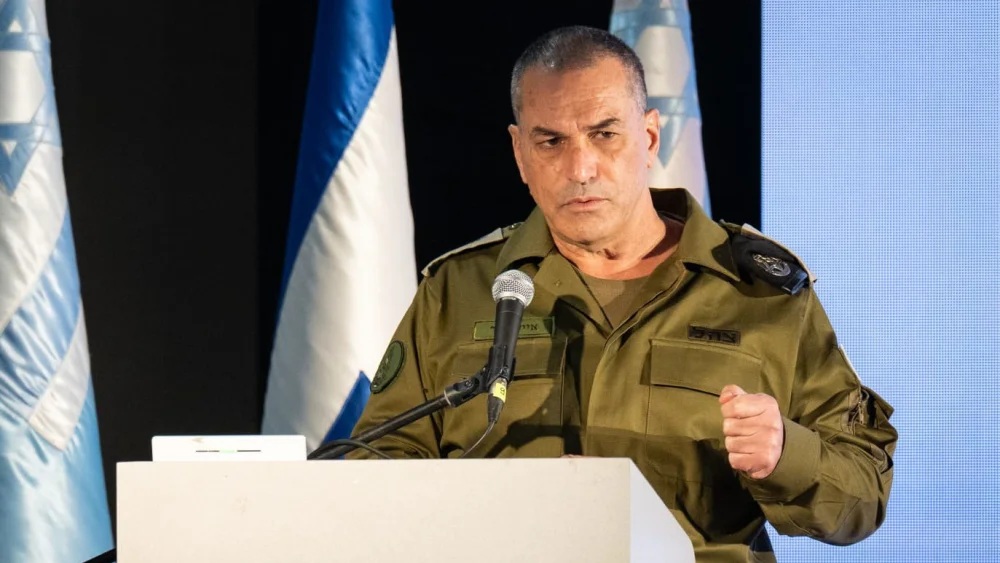
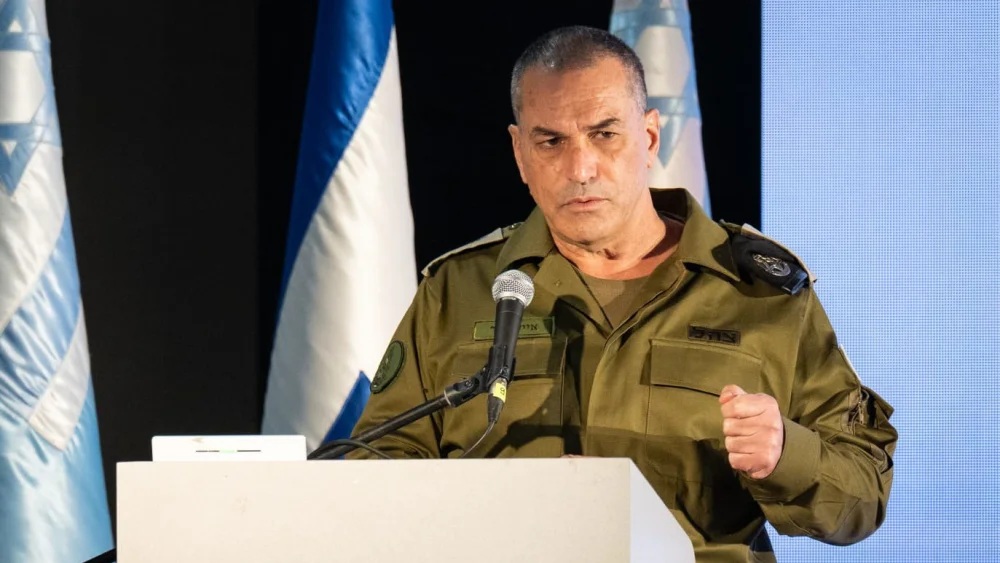
IDF Chief of Staff Lt. Gen. Eyal Zamir pledged Tuesday that chareidi young men who enlist in the Israeli military will be able to maintain their religious identity and way of life throughout their service, declaring that the army has no intention of changing who they are.
Speaking during a visit to the chareidi hesder yeshiva in Gan Yavne, Zamir said that increasing the number of soldiers serving in the IDF is essential to Israel’s security, but emphasized that the military must provide conditions that accommodate the religious requirements of chareidi recruits.
“The IDF does not seek to change your identity. Our goal is for you to enter the army haredi and leave the army haredi,” Zamir told the yeshiva students. “This is not just a statement, but a commitment on the part of the IDF and a personal commitment of mine.” The visit took place amid the continuing controversy over the drafting of chareidi yeshiva students, an issue that has generated considerable tension between the Israeli government, the military establishment, and the chareidi community.
Joining Zamir at the gathering were Netzach Yehuda Association CEO Yossi Levy, Derech Chaim Yeshiva head Rabbi Carmi Gross, and senior IDF officers. The discussion focused on combining limud haTorah with military service, expanding enlistment, and addressing the country’s growing defense needs.
“For me, simply coming to a place of Torah study is a great privilege,” Zamir told the students, praising their decision to pursue a program that incorporates both Torah learning and preparation for military service.
The IDF chief maintained that the students represented an example of how a chareidi lifestyle could be preserved while participating in the country’s defense.
“You prove that it is possible to preserve your identity, share the burden, and take part in defending the State of Israel and its citizens,” he said.
Zamir referred to the concept of Sifra V’Saifa, combining the sefer and the sword, as an expression of the approach being pursued by the yeshiva.
“I see your decision to take part in the shared responsibility for Israel’s security alongside a deep commitment to Torah study and preserving tradition,” he said. “This is a unique combination that the IDF and the people of Israel need today more than ever.”
He also described the students as trailblazers whose decision to enlist could encourage others to follow a similar path.
“Each of you is a modern-day Nachshon ben Aminadav. You will be remembered as pioneers who paved the way for others,” he added.
Beyond offering assurances about preserving religious identity, Zamir acknowledged that creating separate military programs for chareidi recruits would not, by itself, be sufficient. He said officers responsible for these units must understand the religious sensitivities and daily requirements of the soldiers serving under them.
“Our responsibility does not end with creating suitable service frameworks. It requires us to recognize the needs of haredi servicemen, understand their world, and respect their faith,” he said.
According to Zamir, the IDF must develop commanders who are properly trained to work with chareidi soldiers, ensuring that their religious commitments are respected while they fulfill their military responsibilities.
During the visit, Zamir also discussed the IDF’s new multiyear strategic plan, known as Hoshen, or Choshen, which he said encompasses 12 major areas of military development, corresponding to the 12 Shevatim.
“Each stone in the Hoshen is unique in itself, but only together do they create a complete whole. Especially in these days, we understand more than ever that only together will we prevail,” he said.
Additional details about the visit indicated that the Netzach organization, which operates the chareidi hesder network, has expanded significantly over the past 13 years. According to the organization, it now operates 18 yeshivos serving more than 1,000 bochurim, with hundreds participating in programs that combine learning and military enlistment.