Chareidi Parties Could Remain in Opposition While Unity Government Passes Draft Law

A surprising political scenario is emerging in Israel following last week’s inconclusive Knesset elections: the chareidi parties could find themselves outside the next government while still securing passage of legislation protecting yeshiva bochurim from military draft sanctions.
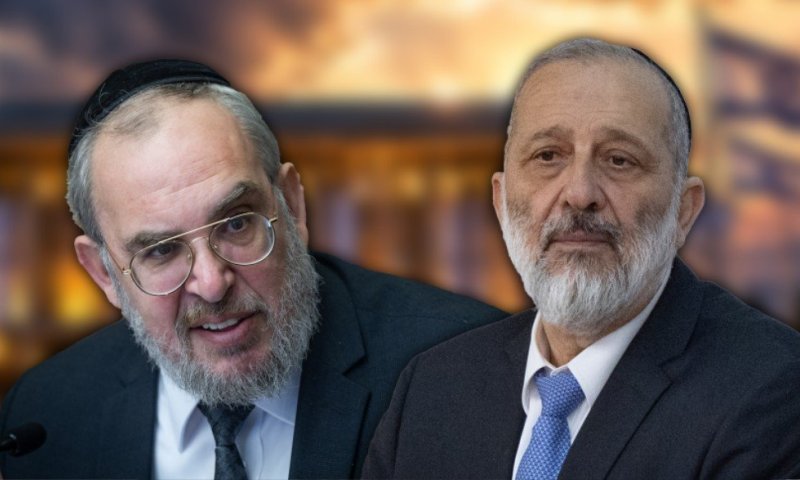
The possibility was raised Monday night by Mishpacha editor Aryeh Erlich during an interview with Avi Mimran on Kol Chai Radio, as political leaders explore potential coalition arrangements amid the continuing deadlock.
Erlich suggested that one of the most practical outcomes for the chareidi community could be a national unity government involving Prime Minister Binyamin Netanyahu and Gadi Eisenkot, with Shas and United Torah Judaism remaining in the opposition but negotiating an agreement to resolve the longstanding military draft crisis.
Such an arrangement, he argued, could allow the chareidi parties to achieve their central legislative objective without assuming responsibility for the government’s broader policies or becoming embroiled in the political controversies that would accompany coalition membership.
The discussion comes as opposition leaders reconsider their political options following election results that left neither major bloc with an obvious path to a parliamentary majority.
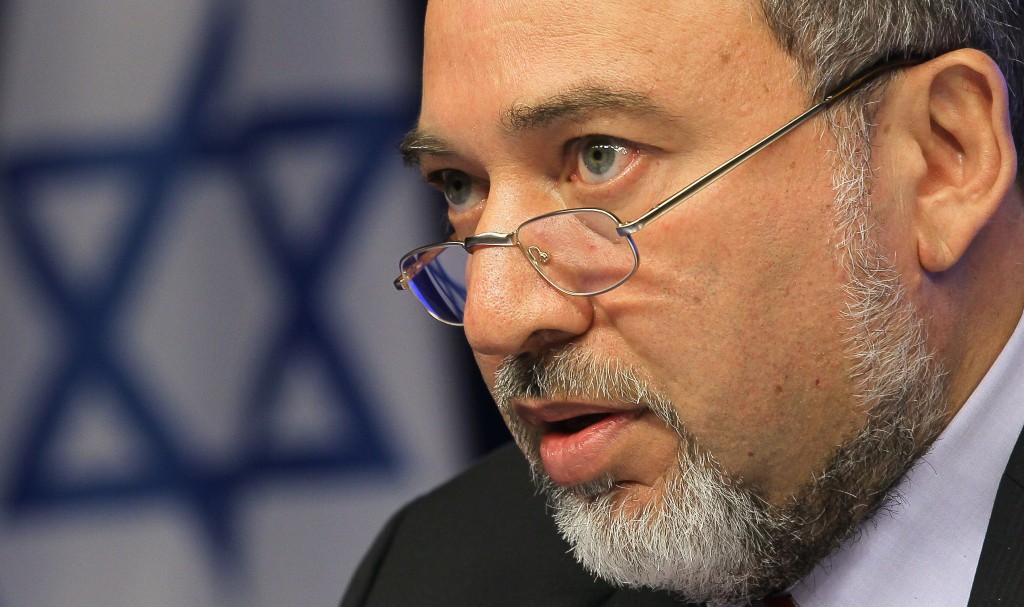
Erlich pointed to the position taken by Yisrael Beiteinu chairman Avigdor Lieberman, who has ruled out joining a government headed by Netanyahu while also rejecting reliance on Arab parties.
According to Erlich’s calculations, those restrictions leave the opposition with a narrow potential route to power: cooperation with the chareidi factions.
“The entire change bloc has 48 seats,” Erlich explained. “Add the 13 seats of United Torah Judaism and Shas, and you reach exactly 61 seats — a theoretical coalition of the change bloc and the chareidim without the Arab parties.”
The arithmetic places the chareidi parties in a potentially influential position despite the difficult election results for Shas, which emerged with six seats compared with UTJ’s seven.
However, Erlich acknowledged that joining forces with parties traditionally associated with the anti-Netanyahu camp would present serious difficulties for chareidi voters and their political representatives.
He noted that many religious and traditional Israelis have stood alongside the chareidi community during years of political conflict, making any arrangement that effectively sidelines the broader right-wing bloc an emotionally painful prospect.
At the same time, Erlich argued that loyalty to the religious electorate should not automatically translate into unconditional political support for Netanyahu, particularly given the government’s inability to resolve the draft crisis.
He cited the recent arrest of a chareidi chosson during his sheva brachos celebrations as an especially painful example of the consequences of the unresolved situation.
According to Erlich, the incident intensified frustration over years of political assurances that failed to produce effective protections for yeshiva students.
He also warned that any draft legislation advanced by a government including the chareidi parties would inevitably attract fierce criticism, both from within the chareidi community and from opponents of exemptions for yeshiva students.
Against that background, Erlich suggested that remaining outside the government might provide a more effective route toward securing an acceptable agreement.
Under his proposed scenario, Netanyahu and Eisenkot would establish a unity coalition without Shas and UTJ, while the chareidi parties would negotiate support for legislation addressing the status of full-time Torah learners and removing the financial and legal penalties currently affecting them.
Erlich described such an outcome as both realistic and preferable to some of the other arrangements under discussion.
He also drew attention to what he characterized as a remarkable change in the language used by Israeli political commentators when discussing the draft issue.
During the election campaign, critics frequently referred to proposed legislation protecting yeshiva students as a “draft evasion law,” a term intended to portray the measure as an attempt to excuse widespread noncompliance with military service requirements.