Yishai Cohen Blasts Opposition Leaders for Suddenly Offering Chareidim Deals After Years of Attacks

A heated confrontation erupted Monday night on Israel’s Channel 12 News when prominent chareidi journalist Yishai Cohen accused opposition politicians and television commentators of blatant hypocrisy for suddenly entertaining political agreements with the chareidi parties after spending years attacking the community over the military draft issue.
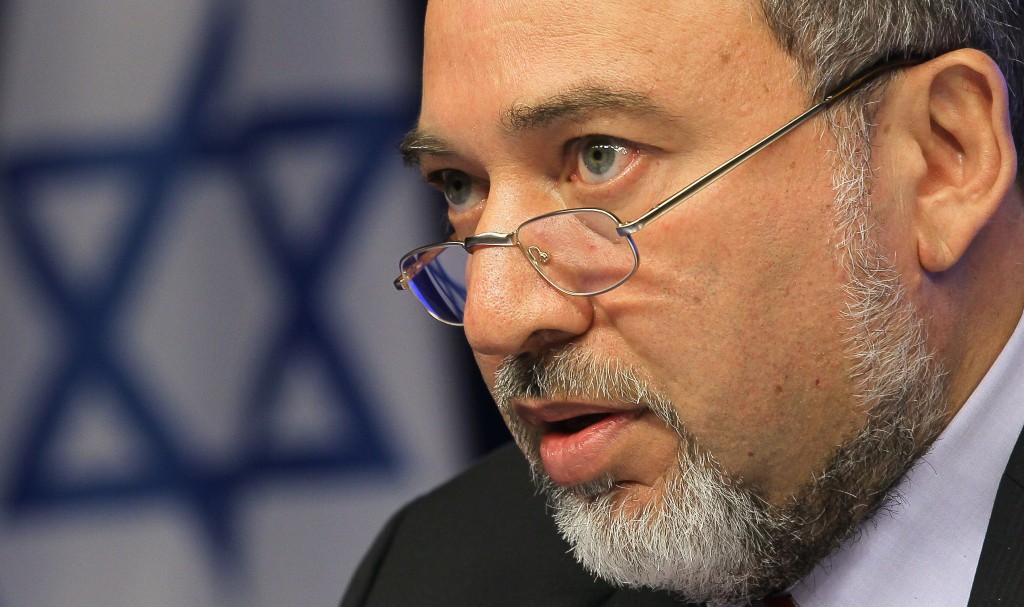
Cohen, a political commentator for Kikar HaShabbat, challenged fellow panelists over reports that opposition figures, including Avigdor Lieberman, were quietly exploring arrangements with the chareidi parties in an effort to assemble a governing coalition following last week’s Knesset elections.
The controversy comes amid a political deadlock in which the opposition bloc is struggling to secure the 61 Knesset seats necessary to form a government without the support of either the chareidi parties or Arab factions.
During the discussion, Cohen expressed astonishment that politicians who had repeatedly condemned yeshiva bochurim for not serving in the military were now reportedly prepared to offer significant concessions on precisely that issue in exchange for political cooperation.
“I am asking you in all seriousness — aren’t you shocked?” Cohen demanded of the other panelists.
“For three years, and even longer, we have heard Lieberman attacking and inciting against the chareidi community, from his remarks about taking them in wheelbarrows to the garbage dump to all his other harsh statements. Politicians sat around this table night after night, shouting ‘draft dodgers,’ claiming that the chareidim discriminate between one person’s blood and another’s, and swearing that they would never agree to concessions. And now, on the eve of the elections, those same politicians have suddenly changed their positions.”
Cohen was referring to the increasingly heated political and public campaign surrounding the draft of yeshiva students, which has dominated Israeli politics and placed enormous pressure on the chareidi parties.
Over the past several years, opposition politicians have repeatedly demanded tougher enforcement against yeshiva students who do not enlist, including criminal penalties, arrests, and the withdrawal of financial benefits from those who fail to comply with military service requirements.
However, according to reports discussed during the Channel 12 broadcast, some of those same political figures are now exploring arrangements that would substantially ease those measures if the chareidi parties agree to support an alternative government.
Panelists acknowledged that discreet discussions have been taking place behind the scenes between opposition representatives and chareidi political figures, with contacts reportedly occurring intermittently as parties assess their options following the election results.
Among the proposals reportedly being discussed are an immediate suspension of arrests targeting yeshiva bochurim classified as draft evaders, the restoration of financial benefits previously withdrawn from eligible families and institutions, and the removal of certain criminal and legal sanctions connected to military enlistment.
The reported proposals have not been announced as a formal coalition agreement, and it remains unclear whether the discussions will lead to an actual political arrangement.
Nevertheless, Cohen argued that the willingness to consider such concessions exposed the political motivations behind years of attacks on the chareidi community.
“Your entire theory about the chareidim is simply collapsing,” Cohen declared.
“The same politicians and the same commentators who sat here every evening and smeared the chareidi community are now going into closed rooms and offering exactly what they previously ruled out completely.”
His comments highlighted the sharp contrast between the opposition’s public positions during the election campaign and the compromises that may now be under consideration as political leaders search for a path to forming a government.
Lieberman, in particular, has long been one of the most outspoken critics of the chareidi parties and has repeatedly advocated strict measures against yeshiva students who do not enlist. The possibility that he or other opposition figures could now participate in negotiations involving concessions on the draft issue has drawn considerable attention in chareidi political circles.