New Study Finds SAT Reading Questions Have Become Shorter and Less Demanding

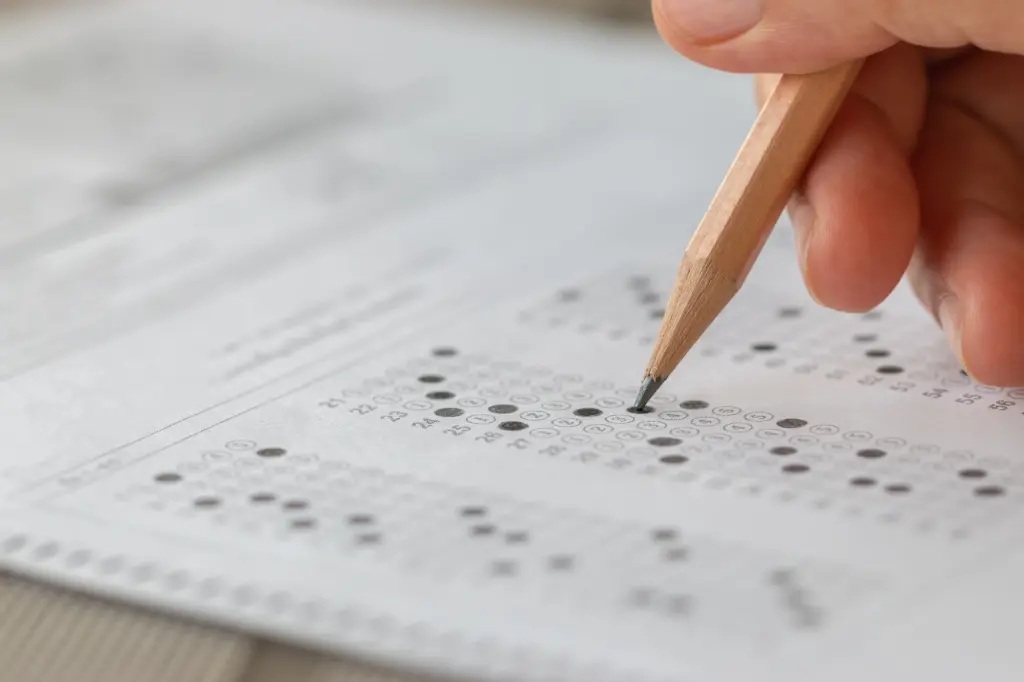
The SAT has undergone sweeping changes over the past four decades that have substantially reduced its emphasis on advanced vocabulary, lengthy reading passages, and the ability to interpret complex written material, according to a new study from Johns Hopkins University. The findings are raising questions about whether the college admissions examination has become less academically demanding even as concerns mount over declining reading proficiency among American students.
The research, conducted by the Johns Hopkins Institute for Education Policy and commissioned by Thomas Aquinas College, examined SAT reading materials from 1980, 1987, and 2026. Researchers identified major differences in the structure and content of the examination, including dramatically shorter passages, fewer vocabulary questions requiring independent knowledge, and a reduced emphasis on interpreting persuasive and argumentative writing.
The report documented “extensive modifications to the SAT reading section over the past four decades,” concluding that the changes “diminish the emphasis on the students’ ability to read and analyze difficult texts.”
One of the most striking findings involved the length of reading selections. Passages appearing on the 2026 practice examinations were less than one-third as long as those used in the earlier tests. At the same time, questions requiring students to demonstrate their knowledge of vocabulary without relying on surrounding text fell from approximately 60 per examination to just 10.
The researchers also discovered a major change in the types of reading comprehension skills being assessed. Earlier versions of the SAT frequently required students to evaluate arguments, understand persuasive techniques, and interpret references that depended on background knowledge. Today’s examination relies much more heavily on explanatory passages that provide students with contextual information to help them determine the meaning of unfamiliar language.
The changes have prompted criticism from educators who believe that college-bound students should be expected to handle challenging literary works and demonstrate a substantial command of the English language.
“The makers of the SAT seem to believe that the ability to tackle long and complex literary works isn’t an important skill for college students anymore,” John Goyette, Vice President of Thomas Aquinas College, said in a statement. “Sadly, given the state of modern higher education, they’re probably right.”
The findings add to a broader debate over changes to standardized testing and academic expectations. Earlier generations of students were required to study extensive vocabulary lists and prepare for stand-alone antonym questions that tested their knowledge of words without offering contextual assistance. Those questions have since disappeared from the examination.
Although the Johns Hopkins researchers did not determine that the modern SAT is conclusively easier overall, they emphasized the educational significance of the changes, explaining that “the shift is significant because reading, vocabulary, and comprehension are mutually reinforcing.”
Other recent studies have also examined whether the examination’s difficulty has changed over time. A 2026 University of Cincinnati study used ChatGPT to evaluate SAT mathematics questions from different years and estimated that their difficulty had declined by 0.21 standard deviations compared with 2012. A separate artificial intelligence-based analysis of examinations dating back to 2011 suggested that questions began becoming less difficult around 2017.
Researchers have been studying changes in SAT scores and test difficulty for decades. Analyses dating to the 1970s examined shifts in student performance beginning in the 1960s, while later comparisons of examinations administered in 2005 and 2010 found increases in scores on certain sections.
The College Board, which administers the SAT, challenged the suggestion that shorter passages or revised question formats necessarily mean that students are taking an easier examination. In a response to the New York Post, the organization emphasized that the Johns Hopkins researchers had not established an overall decline in difficulty and pointed to evidence that shorter passages can still require sophisticated reading skills.