Trump Says He’ll Protect Administration Officials With Preemptive Pardons if Democrats Take Congress

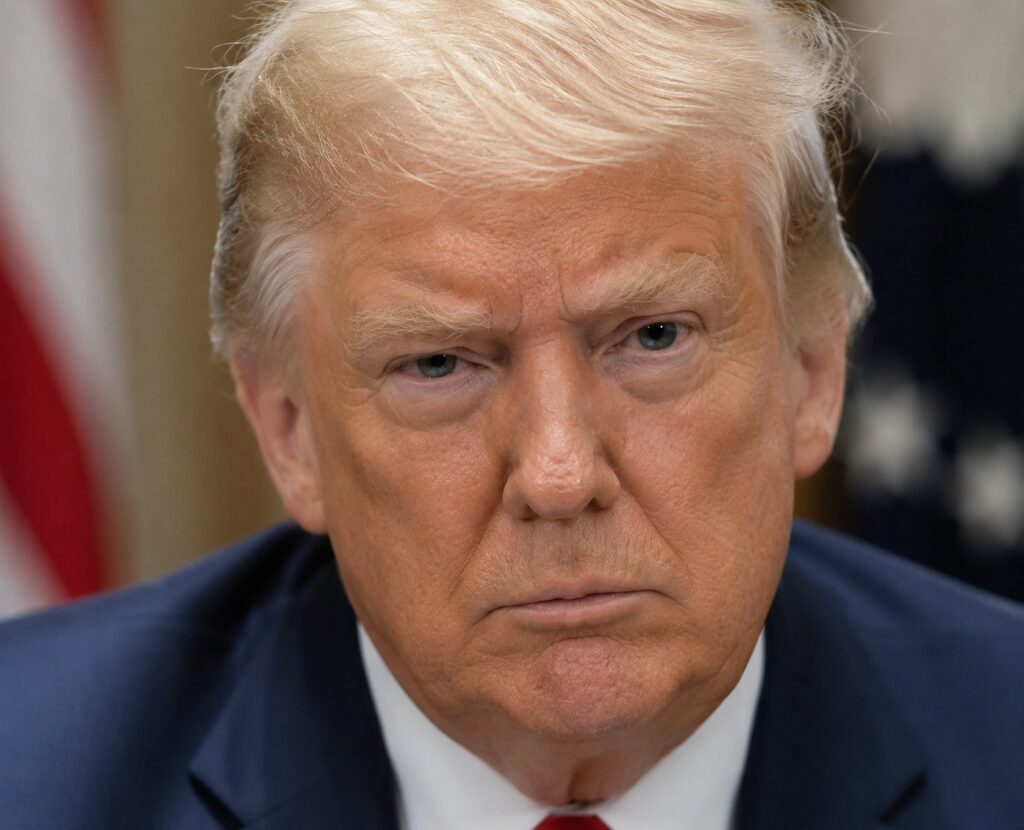
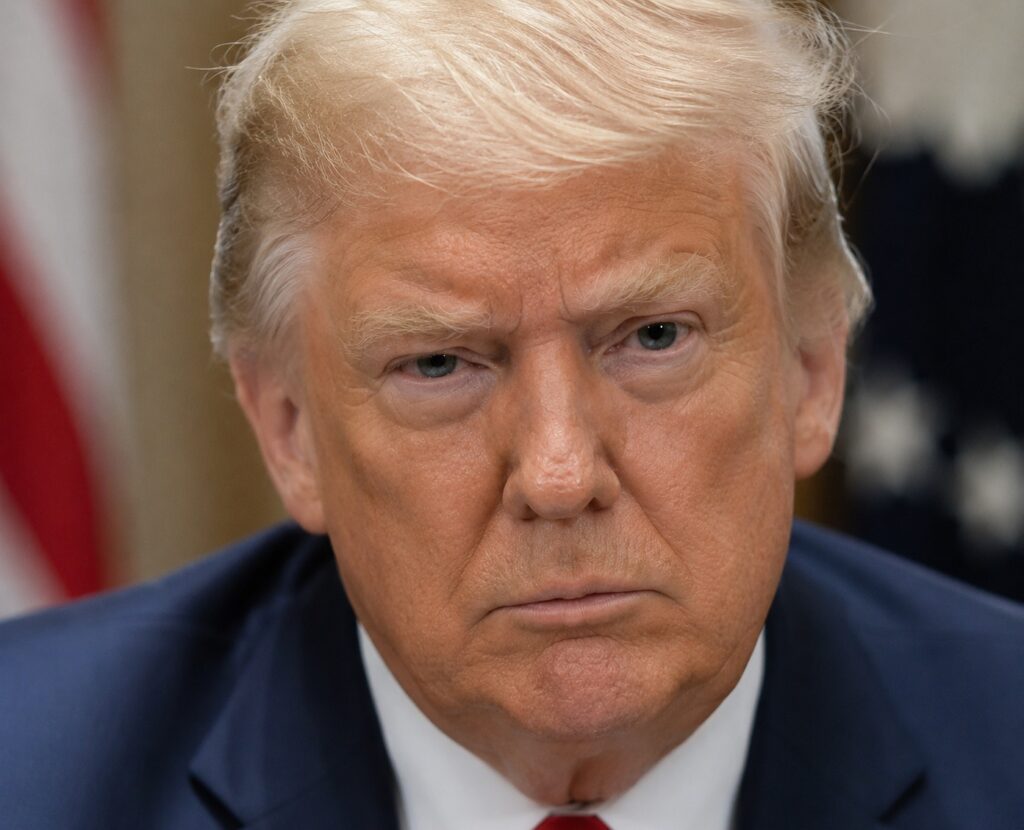
President Donald Trump says he is prepared to grant sweeping preemptive pardons to members of his administration and political allies if Democrats gain control of Congress and attempt to pursue criminal cases against those who served under him, signaling that he will use his presidential clemency powers to shield his team from politically motivated prosecutions.
In an interview with Miranda Devine on the New York Post’s “Pod Force One” podcast, Trump was asked whether he would consider issuing pardons before any charges were brought against administration officials. “I would if I needed to. Sure,” the president responded.
When pressed on whether such protection could extend to everyone who had served in his administration, Trump made clear that he was willing to take that step. “I’d do it,” he said. “I did it for J6.”
The president was referring to his January 20, 2025, decision to grant clemency to approximately 1,500 people charged or convicted in connection with the January 6, 2021, Capitol riot. The action, taken immediately upon his return to the White House, fulfilled a major campaign promise and eliminated federal criminal exposure for a broad group of defendants.
Trump also invoked President Joe Biden’s controversial use of preemptive pardons during the final hours of his administration. Biden issued clemency to Dr. Anthony Fauci, retired Gen. Mark Milley, members and staff of the congressional January 6 investigation, and several relatives. Biden had separately pardoned his son Hunter in December 2024.
“That’s what Biden did. He gave everybody a pardon,” Trump said, pointing to the precedent established by his predecessor. He again criticized the congressional investigation into January 6, referring to the panel as “the unselect committee” and “a corrupt committee.”
Trump’s comments come amid increasingly aggressive rhetoric from some Democratic lawmakers about pursuing investigations and potential criminal prosecutions of administration officials should their party regain congressional power. Although Congress cannot itself bring criminal charges, Democratic control of the House or Senate would provide lawmakers with expanded investigative authority, including the ability to issue subpoenas and conduct oversight hearings.
One of the most explicit warnings came from Sen. Elissa Slotkin, a Michigan Democrat, who said during an October appearance at the University of Chicago that Democrats should pursue “signature cases” targeting “the people who enable” Trump. Slotkin suggested that such prosecutions could discourage younger conservatives from accepting positions in a future Republican administration.
The president’s willingness to consider preemptive pardons raises the possibility of another major confrontation over executive clemency. Under the Constitution, presidents possess broad authority to pardon federal offenses, including certain offenses for which charges have not yet been filed. That power does not extend to state crimes, and a pardon cannot protect someone against criminal conduct committed after the pardon is issued.
The issue could become particularly significant if Democrats emerge from the midterm elections with control of one or both chambers of Congress. Trump has not announced any specific pardon recipients or indicated when he might act, but his remarks make clear that he is prepared to use the authority if he believes his officials are facing retaliatory prosecution.
The controversy has already produced a formal ethics complaint against Slotkin. A University of Chicago student submitted the complaint to the Senate Select Committee on Ethics on October 22, alleging that her comments amounted to an effort to intimidate prospective government employees. Slotkin has rejected the criticism as “manufactured outrage,” maintaining that her objective is to discourage unlawful conduct rather than legitimate political participation.
Trump also addressed the possibility of Democrats targeting billionaire Elon Musk, who has maintained close ties to the president and his administration. “It’s talk. But if it is talk, we’ll have to protect them,” Trump said, suggesting that his willingness to intervene could extend beyond government employees to other prominent allies.