Lieberman Opens Door to Chareidi Parties as Talks Advance on Government Without Netanyahu

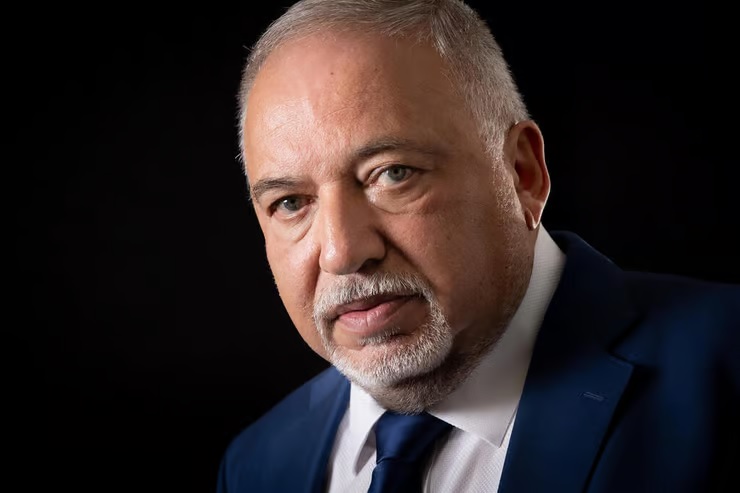
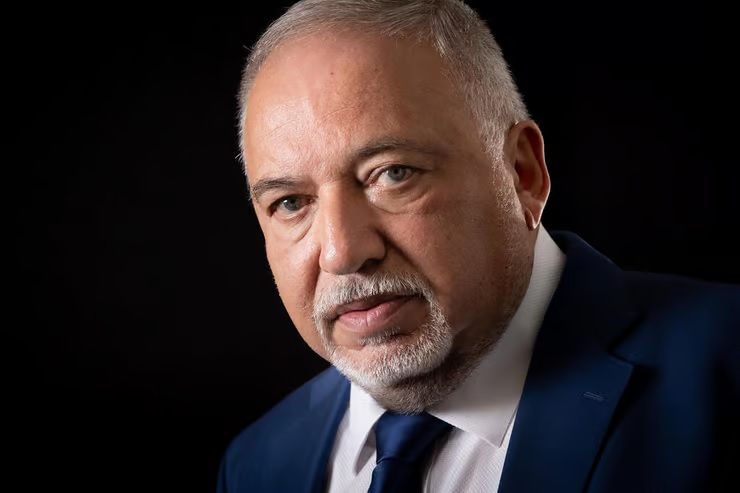
In a potentially dramatic development in Israel’s post-election coalition negotiations, Yisrael Beiteinu chairman Avigdor Lieberman has reportedly abandoned his longstanding refusal to join a government with the chareidi parties, authorizing negotiations with United Torah Judaism over the formation of a coalition that would exclude Prime Minister Binyamin Netanyahu.
The development was reported Thursday evening by Channel 12 political commentator Amit Segal, who said Lieberman has agreed to explore a coalition arrangement based on the military draft legislation he proposed in 2018, when he served as defense minister in Netanyahu’s government.
The reported reversal could significantly alter the political landscape, potentially giving the bloc seeking to replace Netanyahu a path to a 61-seat Knesset majority with the participation of the chareidi parties.
Throughout the election campaign, Lieberman repeatedly insisted that he would not join a government with Netanyahu, the Arab parties, or the chareidi parties. According to Segal, he has now decided to maintain his opposition to Netanyahu and the Arab parties while setting aside his objection to governing alongside chareidi representatives.
The proposed basis for negotiations is Lieberman’s 2018 draft law, which was rejected by the chareidi parties at the time but is now reportedly being viewed more favorably in light of subsequent legislative proposals.
Under the earlier framework, financial penalties against yeshivos that failed to meet enlistment targets would not take effect until after three years. The proposal also did not include personal sanctions against individual yeshiva bochurim, making it considerably less stringent than legislation promoted during the outgoing Knesset.
Segal reported that some chareidi figures now regret rejecting the 2018 proposal, particularly given the more severe measures that have since been considered.
One development being interpreted as particularly significant is United Torah Judaism’s decision Thursday morning not to recommend Netanyahu to receive the mandate to form the next government.
According to Segal, representatives of the bloc seeking to replace Netanyahu view that decision as an indication that UTJ may be seriously considering alternative coalition arrangements. Preliminary contacts between the sides have reportedly already begun.
The coalition formula being examined would combine 48 Knesset members from the anti-Netanyahu bloc with the 13 seats held by the chareidi parties, producing the 61-member majority necessary to establish a government.
Segal also raised the possibility that such an arrangement could involve a rotation agreement for the premiership between Yashar party chairman Gadi Eisenkot and Lieberman. That scenario, however, remains the commentator’s assessment rather than an agreement reached by the parties.
Earlier Thursday, Rav Moshe Maya stated that Shas should not enter a left-wing government and instead called for the establishment of a national unity government.
Nevertheless, figures in the anti-Netanyahu bloc reportedly believe that if United Torah Judaism agrees to participate in an alternative coalition, Shas could eventually follow.
Particular attention is being paid to the position of Hagaon Rav Dov Landau, whose guidance could play a decisive role in determining whether UTJ would consider joining such a government and potentially influence the broader chareidi political leadership.
Meanwhile, Eisenkot is reportedly pursuing a separate option that would allow him to establish a minority government as early as next week, without waiting for an agreement with the chareidi parties.
The anti-Netanyahu bloc is therefore examining two possible paths: moving quickly to swear in a minority government or continuing negotiations aimed at securing a stable 61-seat majority through the inclusion of United Torah Judaism and Shas.
Earlier this week, a senior United Torah Judaism official acknowledged that cooperation with Lieberman was possible despite years of bitter political hostility. The official said the decisive issue would be whether an acceptable draft law could be secured, making clear that without such legislation, there would be no basis for negotiations.