Body of Breslover Chossid Murdered in Uman Finally Released for Burial Following Rabbinic Intervention

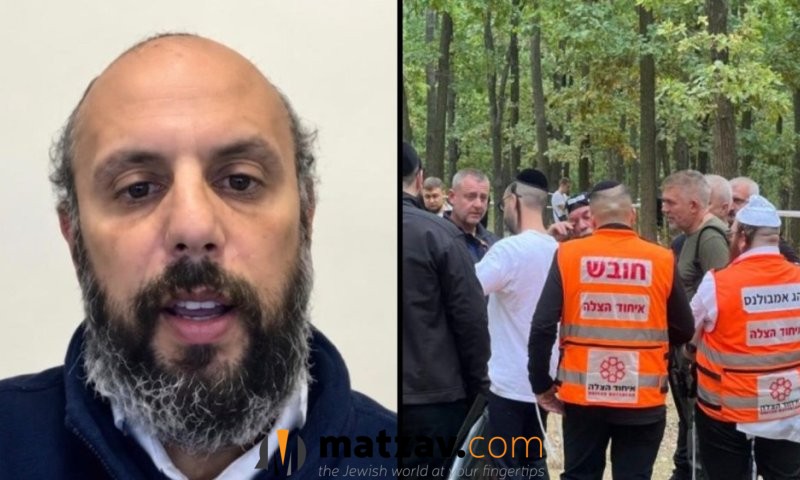
After 55 agonizing days of uncertainty, legal complications, and intense halachic deliberations, Ukrainian authorities have finally released the body of R’ Yitzchok Elmakayes z”l, a Breslover chossid from London and father of seven who was found dead under circumstances suggesting a brutal murder during Rosh Hashanah in Uman.
The development, announced Thursday evening, brings an end to nearly eight weeks of painful delays that prevented the family from bringing their loved one to kevurah. The prolonged ordeal had generated mounting concern throughout the Breslover community and prompted the intervention of prominent rabbonim and poskim in Eretz Yisroel and Europe.
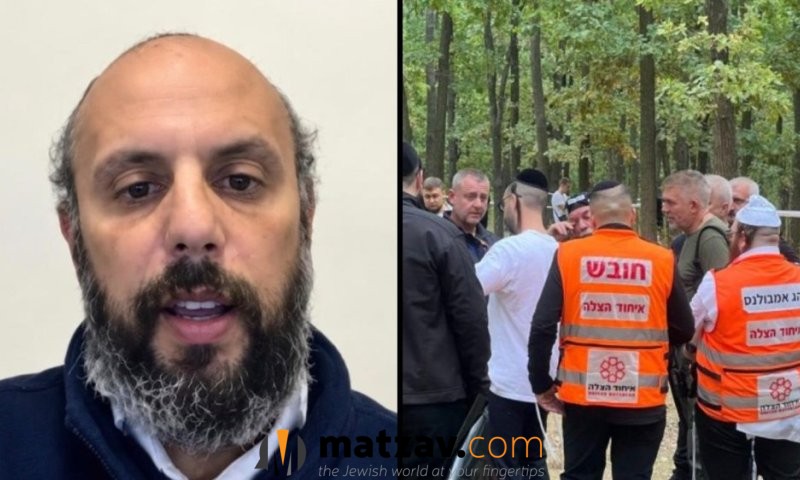
R’ Yitzchok z”l had traveled to Uman for Rosh Hashanah, joining tens of thousands of Yidden who gather annually at the tzion of Rav Nachman of Breslover. During the Yom Tov, he reportedly ventured into the fields and wooded areas surrounding the city for his customary hisbodedus, spending time in secluded tefillah.
He was subsequently discovered lifeless, with severe signs of violence on his body, immediately raising suspicions that he had been murdered.
Ukrainian police opened a criminal investigation, and the authorities retained his body for forensic examinations and investigative procedures at facilities in Cherkasy and Kyiv. As the investigation continued, however, the repeated delays in releasing the body became a source of anguish for the family and widespread concern among rabbonim.
At the center of the controversy was the serious halachic prohibition against delaying burial, known as halonas hameis, as well as the obligation to preserve the dignity of the deceased.
Early in the investigation, representatives of ZAKA in Ukraine, led by R’ Nachman Dickstein, presented the complicated circumstances to Hagaon Rav Chaim Dovid Weiss, the Satmar Raavad of Antwerp, widely known as the Chida Weiss.
Rav Weiss initially ruled that, under the particular circumstances, a limited delay in burial could be permitted to allow investigators to pursue the murder investigation and avoid a situation in which the case might be closed without identifying those responsible.
The ruling was understood to apply only for a necessary and restricted period.
As the weeks passed and the body remained in Ukrainian custody, however, the situation became increasingly contentious. Rabbonim and dayonim in Eretz Yisroel and abroad, together with askonim and legal representatives involved in the case, expressed growing concern that the original temporary allowance could no longer justify the continuing delay.
Senior Breslover rabbonim issued strongly worded letters calling for immediate efforts to secure the body’s release. Hagaon Rav Yaakov Roza, a member of Israel’s Chief Rabbinate Council and a prominent authority on matters of kevurah, also issued a firm halachic opinion calling for R’ Yitzchok to be brought to burial without further delay.
The matter reached a critical point earlier this week when a special gathering of rabbonim and poskim was convened at the Bnei Brak home of askan R’ Yidel Yaakov.
Among those participating were Hagaon Rav Moshe Bransdorfer, Gaavad of Heichal Horaah, and Rav Chaim Dovid Weiss himself, who was visiting Eretz Yisroel for his mother’s yahrtzeit.
During the gathering, the rabbonim examined the circumstances surrounding the continued detention of the body and concluded that the time had come to bring the prolonged delay to an immediate end.
The assembled poskim determined that the body must be released for kevurah without any additional postponement.
Following the gathering, askonim intensified their efforts with Ukrainian legal and law enforcement authorities, working to complete the remaining procedures necessary to secure the release.
Those efforts culminated Thursday evening in confirmation that the required paperwork had been finalized and that Ukrainian authorities had formally released R’ Yitzchok’s body.
The news was received with profound relief throughout the Breslover community, where the circumstances of his death and the extended inability to arrange his burial had caused deep distress.