Jewish Families Move Into Eight Homes Near Ancient Hasmonean Palaces After Secret Purchase

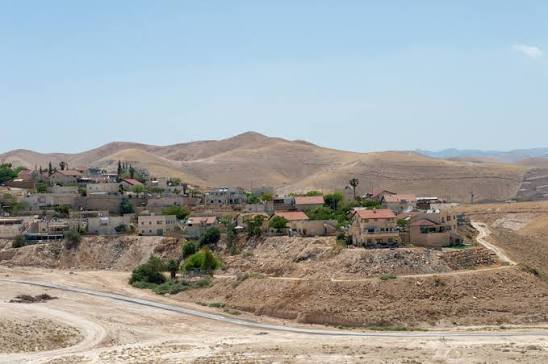
Jewish families have taken possession of eight houses near Yericho in the Jordan Valley following a purchase that was kept confidential until the families moved in, marking a significant new effort to restore Jewish residential life to an area transferred to Palestinian Authority control under the Oslo Accords.
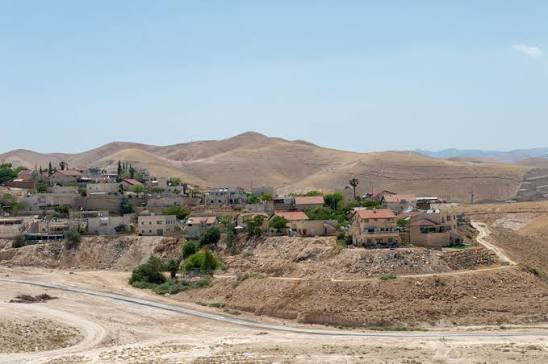
The Binyamin Regional Council and the Nachala Movement announced the development Wednesday, saying the properties were acquired through a discreet transaction supported by ownership documentation. The houses are located on state-owned land in the Yericho area, including near the ancient Hasmonean palaces.
The IDF confirmed that the families entered the properties “without prior coordination or authorization” from the military. Army officials said they were reviewing the circumstances of the acquisition and assessing the security situation.
“The IDF is currently operating in the area,” the military stated. “Further details will be provided later.”
According to a military source, the eight homes are situated in Area C of Yehudah and Shomron, where Israel maintains full security and civil authority. Yericho itself is located in Area A, which is administered by the Palestinian Authority.
The Binyamin Regional Council and Nachala said the transaction had been deliberately concealed until the families arrived, describing the acquisition as having taken place “under the nose of the Palestinian Authority.”
The organizations characterized the development as an important step toward reversing the consequences of the Oslo agreements, under which Israel relinquished control of Yericho in 1994. Their statement described the city as having been “abandoned” by Israel as part of that process.
Binyamin Regional Council chairman Yisrael Gantz, who also heads the Yesha Council representing Jewish communities throughout Yehudah and Shomron, welcomed the families and described their arrival as part of a broader effort to restore Jewish life to historically significant areas of Eretz Yisroel.
“We are dismantling the Oslo Accords through our actions; we are returning home,” Gantz declared.
Gantz recalled participating in a demonstration in Yericho when he was just 16 years old, on the night Israel transferred control of the city to the Palestinian Authority.
“Today, I have a 16-year-old son, and I have the privilege of accompanying families as they return to build a home here,” he said.
Nachala Movement chairwoman Daniella Weiss similarly hailed the development, calling it “a major step toward renewing Jewish settlement in Jewish cities.” She said the organization hopes the initiative will lead to the restoration of Jewish communities in additional locations throughout Yehudah and Shomron.
Weiss invoked the words of the novi Zechariah in describing the movement’s aspirations for the area.
“Families are working to fulfill the verse: ‘And the streets of the city shall be full of boys and girls playing in its streets,’” she said, citing Zechariah 8:5.
The families’ arrival has also drawn attention to Yericho’s longstanding significance in Jewish history. The city, described in the Torah as the city of palm trees, was the first major city conquered by the Bnei Yisroel under Yehoshua after they crossed the Yarden and entered Eretz Yisroel.
Yericho was also the first city in Yehudah and Shomron transferred to Palestinian Authority administration in 1994. Under the arrangements accompanying the withdrawal, Palestinian security forces were expected to ensure that Jews could continue visiting two ancient shuls dating to the Byzantine period.
Those assurances were subsequently violated. On October 12, 2000, during the early stages of the Second Intifada, Palestinian rioters set fire to the Shalom Al Yisroel shul, destroying seforim and damaging its historic mosaic floor.
According to Jewish tradition, the ancient shul stands at the location where a malach appeared to Yehoshua and instructed him, “Remove your sandals from your feet, for the place where you stand is holy” (Yehoshua 5:15).