Vance Reportedly Blasted Netanyahu as ‘Wrong on Everything’ About Iran, Urged Trump to Reject New Strikes

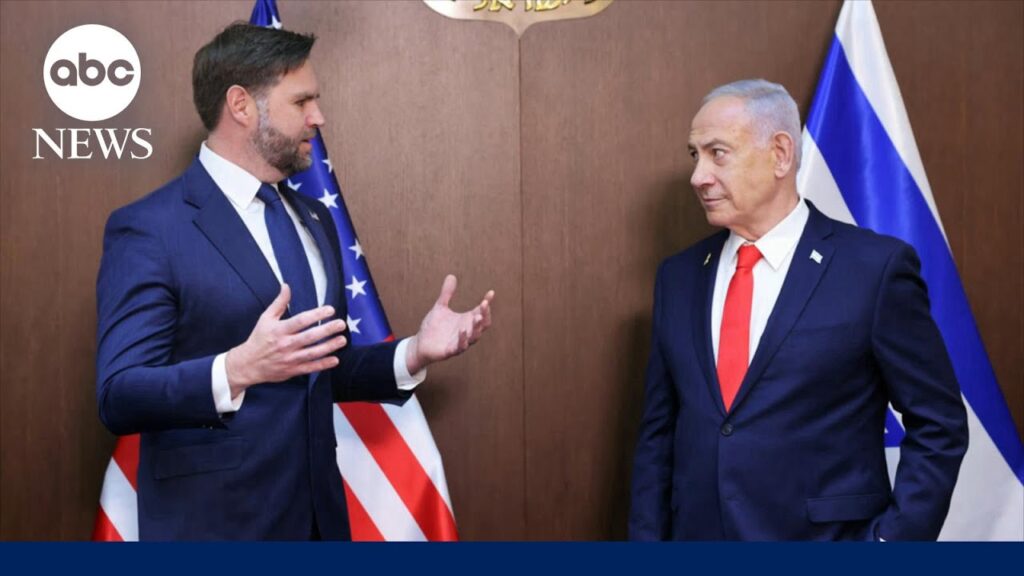
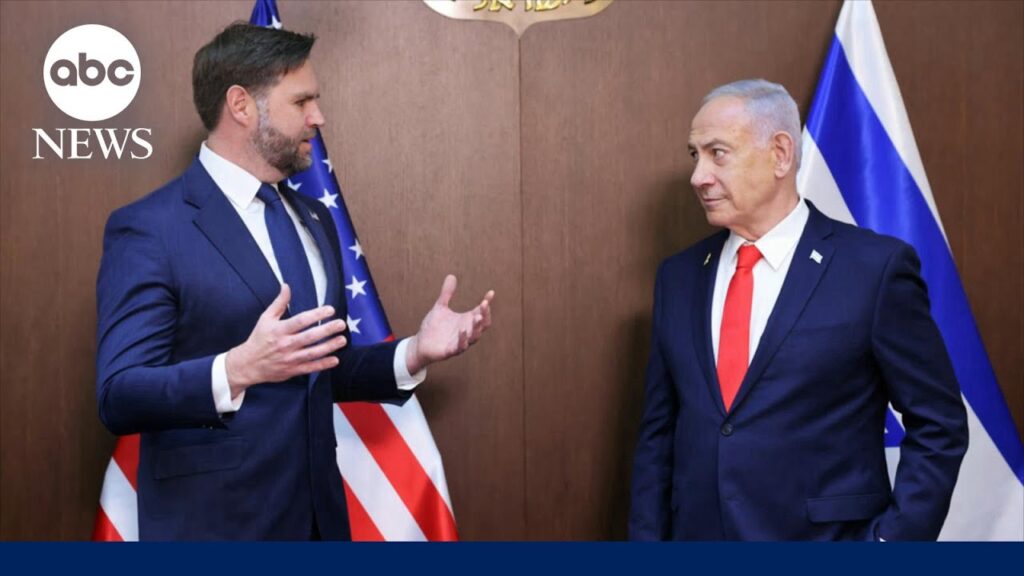
Vice President JD Vance privately delivered a harsh assessment of Israeli Prime Minister Binyamin Netanyahu’s approach to Iran, accusing him of “being wrong on everything” and urging President Donald Trump to pursue a diplomatic agreement with Tehran rather than resume military operations, according to a report published Wednesday by Axios.
The reported criticism reveals significant disagreements within Trump’s inner circle over the administration’s handling of the Iran war, with Vance emerging as a leading advocate for negotiations while Netanyahu continued pressing Washington to renew military strikes against the Iranian regime.
According to sources familiar with the administration’s internal discussions, Vance led a group of senior officials who warned Trump that prolonging the conflict would carry serious political and economic consequences. The vice president reportedly argued that reaching an agreement with Iran offered a better alternative to another round of military confrontation.
Vance’s criticism of Netanyahu was particularly pointed. Sources told Axios that the vice president privately accused the Israeli leader of “being wrong on everything” concerning Iran, reflecting his frustration with Netanyahu’s assessments and recommendations regarding the conflict.
The disagreement came as Netanyahu reportedly continued urging Trump to restart military operations against Iran. Although the president was said to be inclined toward renewed strikes, he ultimately decided against taking immediate military action.
Vance and other administration officials had also warned Trump that the war was deeply unpopular with American voters and threatened to damage Republican prospects in the midterm elections. Those concerns gained new significance following Tuesday’s election results, which saw Republicans suffer major losses.
On Wednesday, Vance publicly attributed the Republican Party’s defeat to the conflict, arguing that the administration had underestimated the political consequences of the war.
“The reason we lost is the war,” Vance wrote on X.
The vice president pointed to voter dissatisfaction with the conflict, rising living costs and broader concerns about American foreign policy. According to his assessment, voters who supported Trump in 2024 but abandoned Republicans in the midterms were particularly troubled by the continuation of the Iran war and its economic effects.
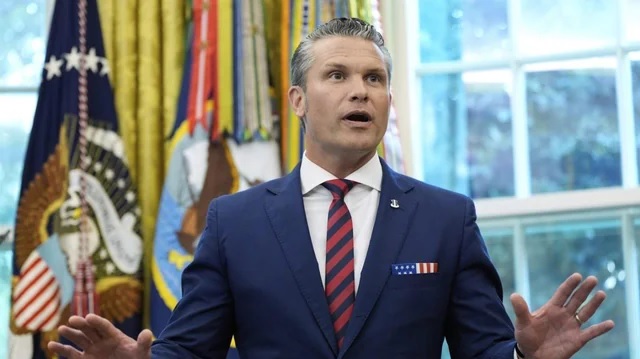
The disagreement has also exposed competing approaches to Iran policy among Trump’s senior advisers. While Vance and White House envoy Steve Witkoff have favored renewed diplomacy, Defense Secretary Pete Hegseth has supported resuming military operations, a position reportedly shared by Netanyahu.
Other senior officials, including Treasury Secretary Scott Bessent and CIA Director John Ratcliffe, have advocated maintaining the American naval blockade and economic sanctions against Iran, hoping that continued pressure will force Tehran to make concessions without another major military campaign.
American military officials have meanwhile continued preparations for the possibility of renewed combat, including additional deployments to the region. At the same time, Qatari mediators have been working to secure an agreement that could prevent further fighting and reopen direct negotiations between Washington and Tehran.
Trump acknowledged Wednesday that the Iran war had contributed to Republican losses by pushing gasoline prices higher, although he continued to defend the original decision to attack Iran.
“I think it’s largely true because it drove the gasoline up a little bit short term,” Trump said when questioned about Vance’s remarks.
The president nevertheless insisted that military action had been necessary to prevent Tehran from acquiring nuclear weapons and maintained that he would make the same decision again.
In an interview with Axios earlier this week, Trump indicated that he was not prepared to rush into another military confrontation, leaving open the possibility of either negotiations or renewed strikes.
“One way or the other, we will do something, but there is no rush. We crippled them financially. They have no money, no gasoline and their people are getting very tired of it,” Trump said.