Nuclear Talks Back on the Table
Iran Weighs New U.S. Negotiations as Threat of Military Strikes Looms

Iran is reviewing a new set of proposals that could reopen nuclear negotiations with the United States, with Qatar spearheading a diplomatic effort to avert another major military confrontation between Washington and Tehran, according to a report published Thursday by The New York Times.
Five officials familiar with the discussions, including an American official and two Iranian officials, described the proposals as meaningful, although their specific provisions have not been made public. The development signals a possible change in Tehran’s approach after weeks of resistance to renewed talks.
Qatari mediators have intensified their efforts over the past week, holding two rounds of meetings in Tehran and another in Doha. Representatives of Qatar also reportedly met Iranian officials in Armenia as part of the diplomatic initiative.
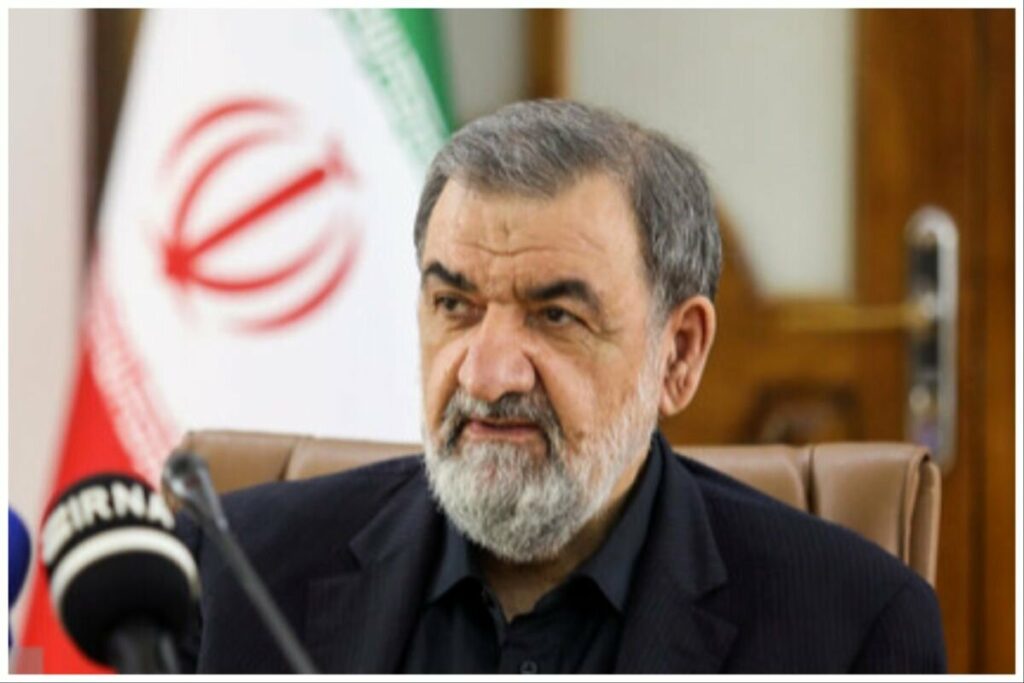
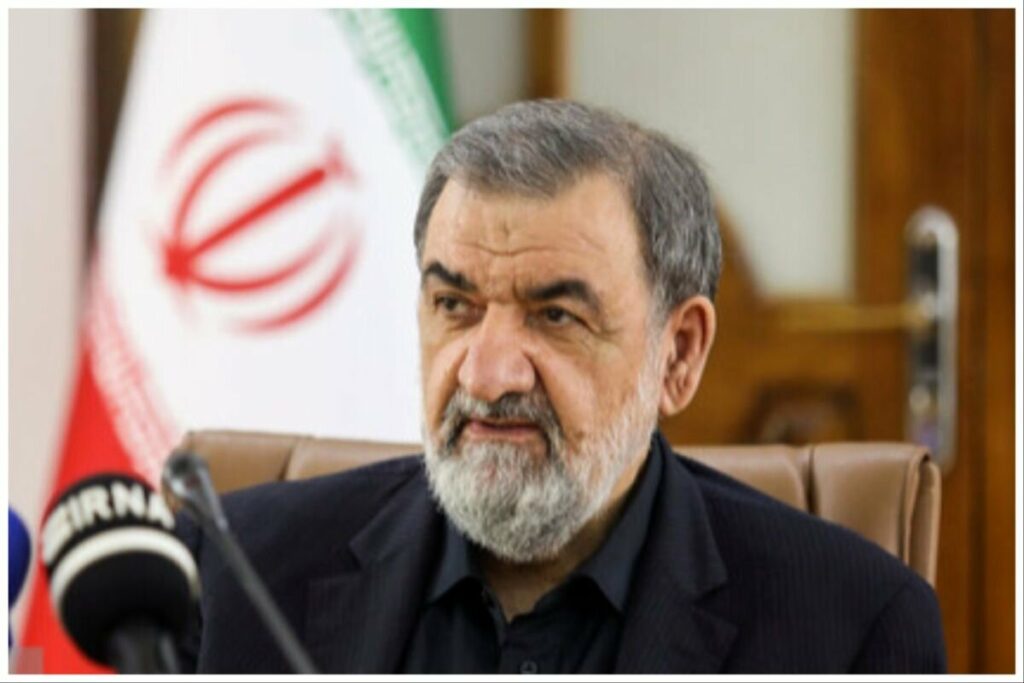
Vice President JD Vance has emerged as an important advocate of the mediation effort, reportedly seeking a negotiated outcome that would prevent another large-scale war. Last month, Vance sent a letter to Mohsen Rezaei, the head of Iran’s Supreme National Security Council, proposing direct discussions covering both the ongoing conflict and Tehran’s nuclear program.
Rezaei later characterized the outreach as an indication that the United States had softened its stance toward Iran.
Vance, who had opposed a full-scale war with Iran before the American and Israeli strikes in February, expressed confidence earlier this week that diplomacy could produce results.
“The president and I both feel pretty good about the prospects for potentially coming to a negotiated settlement,” Vance said Monday, while making clear that President Trump continues to have military and nonmilitary options available.
The diplomatic push comes amid reports that American and Israeli officials have been evaluating the possibility of additional strikes against Iran. Military planners have reportedly examined potential targets that include energy installations and infrastructure vital to Iran’s economy.
One of the most difficult questions facing negotiators concerns Iran’s supply of highly enriched uranium. Trump has insisted that Tehran surrender the material, but Iranian authorities have refused to allow it to be transferred out of the country. Earlier diplomatic discussions had explored the possibility of reducing its enrichment level inside Iran under international monitoring.
The International Atomic Energy Agency estimated that Iran possessed approximately 440 kilograms of highly enriched uranium in June 2025, a quantity that specialists say could potentially provide material for several nuclear weapons.
Tehran has also demanded significant American concessions before agreeing to resume formal negotiations. In a televised speech Saturday, Rezaei called for the release of frozen Iranian assets, the lifting of sanctions on Iranian oil, and an end to the American naval blockade of Iranian ports.
Despite those public demands, officials familiar with the mediation effort reportedly believe Rezaei has shown greater flexibility in private conversations with Qatari representatives. Iranian Foreign Minister Abbas Araghchi and Parliament Speaker Mohammad Bagher Ghalibaf have also been involved in the diplomatic contacts.
The latest initiative follows the collapse of a ceasefire negotiated between the United States and Iran in June. That arrangement had been intended to create conditions for nuclear talks and the reopening of the Strait of Hormuz, but subsequent hostilities prevented the agreement from taking hold.
Iranian officials have warned that another military offensive would bring retaliation against a wider range of targets. Senior figures in Tehran have also raised the possibility of withdrawing from the Nuclear Nonproliferation Treaty.
The prospect of renewed fighting has alarmed Gulf governments, which fear their countries could become targets of Iranian retaliation if the United States and Israel launch additional attacks.
Anwar Gargash, a senior diplomatic adviser to the president of the United Arab Emirates, said at a security gathering in Bahrain over the weekend that Gulf countries oppose another regional war and prefer a diplomatic resolution.