Kariv Doubts UTJ Will Join Eisenkot Government, Says Draft Issue Cannot Be Ignored

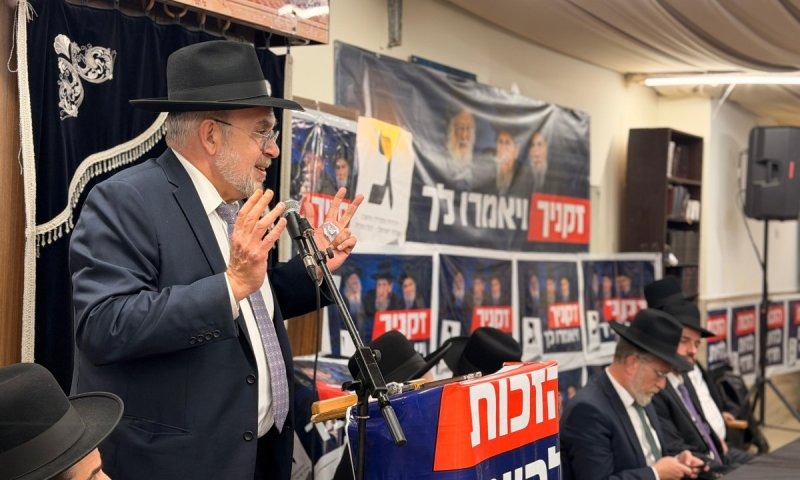
Israeli MK Gilad Kariv of the Democrats party said Thursday that he does not believe United Torah Judaism will join a prospective government headed by Gadi Eisenkot, warning that any effort to bring the chareidi party into the emerging coalition would have to address the contentious issue of military conscription.
Speaking in an interview with Radio A-Shams, Kariv expressed skepticism about the possibility of securing UTJ’s participation in a government seeking to replace Prime Minister Binyamin Netanyahu, even as political leaders explore possible coalition arrangements following Israel’s recent elections.
Kariv made clear that while he was not categorically ruling out cooperation with UTJ, the parties negotiating a new government could not simply abandon their positions on the draft issue in order to secure chareidi support.
“I think United Torah Judaism will ultimately not join our government, and I think we cannot completely cast aside the issue of military conscription,” Kariv said.
His remarks come amid efforts to assemble a coalition under Eisenkot, with the potential participation of UTJ emerging as one of the questions facing the parties seeking to establish an alternative government.
The possibility of bringing UTJ into the coalition presents a significant political challenge, particularly because several of the parties involved have taken positions on the draft of chareidi yeshiva students that are sharply at odds with those of the chareidi parties.
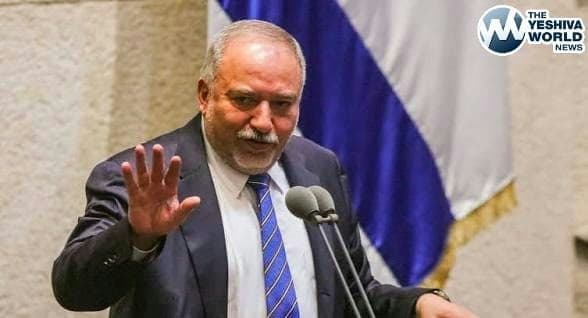
Kariv was specifically asked about the possibility that Yisrael Beytenu chairman Avigdor Lieberman and Beyachad chairman Naftali Bennett could persuade UTJ to join the coalition by reaching an acceptable compromise on the draft.
Although doubtful that such an arrangement could be achieved, Kariv indicated that he would not automatically oppose an agreement that adequately addressed the issue.
“If Lieberman and Bennett know how to bring United Torah Judaism and also bring some reasonable and appropriate solution to the conscription issue, then please, go ahead,” he said.
Kariv’s comments highlight the competing pressures facing the parties seeking to form the next government. While support from chareidi lawmakers could help Eisenkot assemble a parliamentary majority, the military draft issue remains a major obstacle to cooperation between UTJ and several of the prospective coalition partners.
For UTJ, preserving the ability of yeshiva students to continue learning without being drafted into the military remains a central political priority. Other parties involved in the coalition discussions, however, have made changes to the existing draft arrangements a major component of their political platforms.
Kariv’s remarks suggest that even if Bennett and Lieberman attempt to negotiate a compromise with UTJ, they may face resistance from within the emerging coalition unless the agreement includes measures addressing military conscription.