Joe Rogan Says Only ‘Stupid’ People Answer Political Surveys

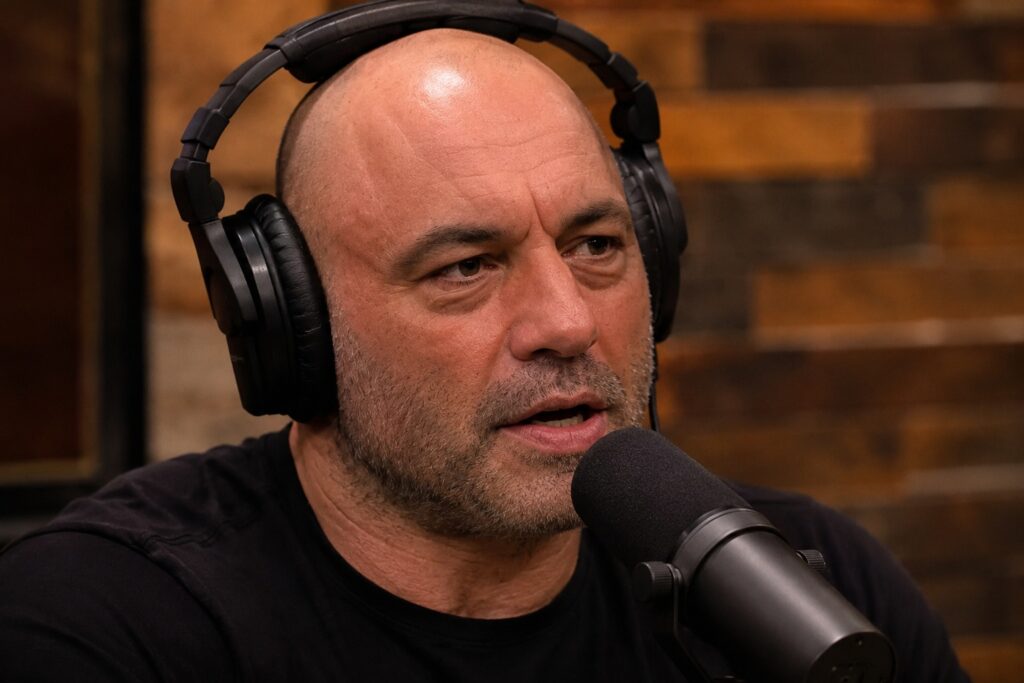
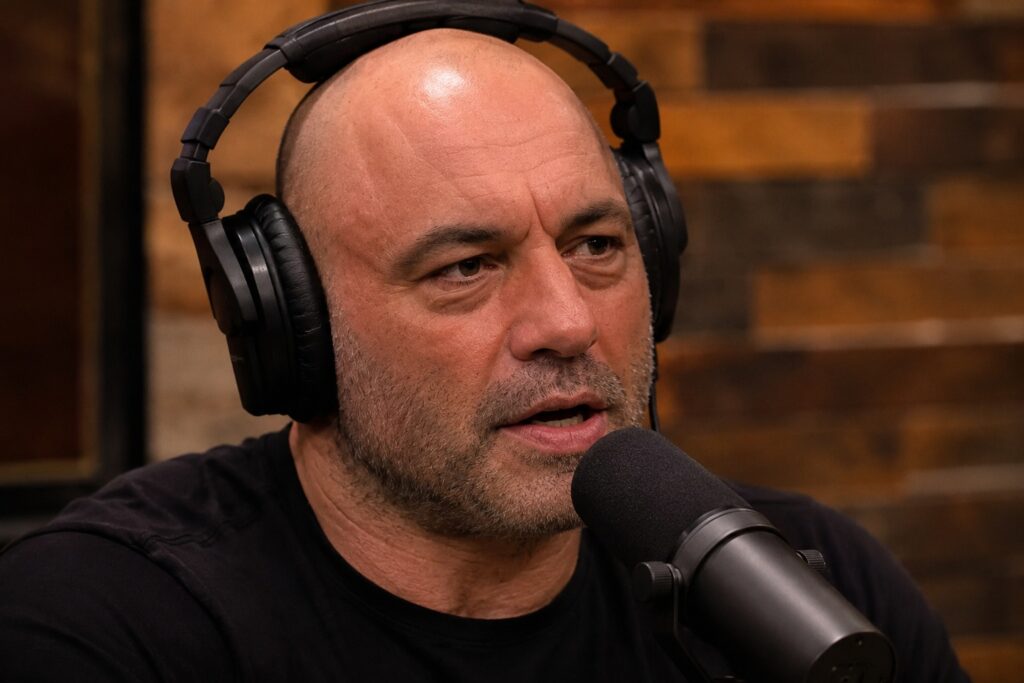
Podcast host Joe Rogan unleashed a scathing criticism of political polling over the weekend, arguing that surveys are fundamentally unreliable because most Americans with busy lives have little interest in responding to pollsters. He suggested that the people who do participate are hardly representative of the broader public.
During Saturday’s episode of “The Joe Rogan Experience,” Rogan discussed the shortcomings of opinion surveys with Francis Foster and Konstantin Kisin, the hosts of the “TRIGGERnometry” podcast, as the country approached Tuesday’s closely watched midterm elections.
“Here’s the problem with polls: Most people don’t answer polls,” Rogan said during the conversation.
“Anybody with a life, anybody that has like a family and stuff to do and hobbies they enjoy and friends they want to hang out with, they don’t sit around answering some … poll,” Rogan said.
“So you’re literally getting the opinion of people so …. stupid they answer polls,” he said.
Rogan’s comments came as Republicans worked to defend their congressional majorities, with several national surveys indicating that Democrats could be positioned to capture control of the House of Representatives.
The podcaster, who supported President Donald Trump in the 2024 presidential election, raised the issue while examining polling data about religious identification among American voters. The survey indicated that approximately 78% of Republicans and Republican-leaning independents identified with a religion, compared with roughly 60% of Democrats.
When Rogan noticed that approximately 1% of those surveyed had declined to respond to a particular question, he jokingly suggested that the nonrespondents were the most intelligent people in the sample.
“That is the most intelligent group on Earth,” he said.
Concerns about the accuracy of political surveys have also been raised by figures across the political spectrum, particularly as unexpected polling results have emerged in several Senate races.
On Friday, MS Now host Joe Scarborough questioned a Washington Post survey showing Democratic candidate Adam Hamilton holding a nine-point advantage over Republican Sen. Roger Marshall in Kansas, expressing doubt about whether the findings accurately reflected the electorate.
“Democrats want to answer pollsters. Republicans don’t. Inconsistencies abound,” Scarborough wrote on X.
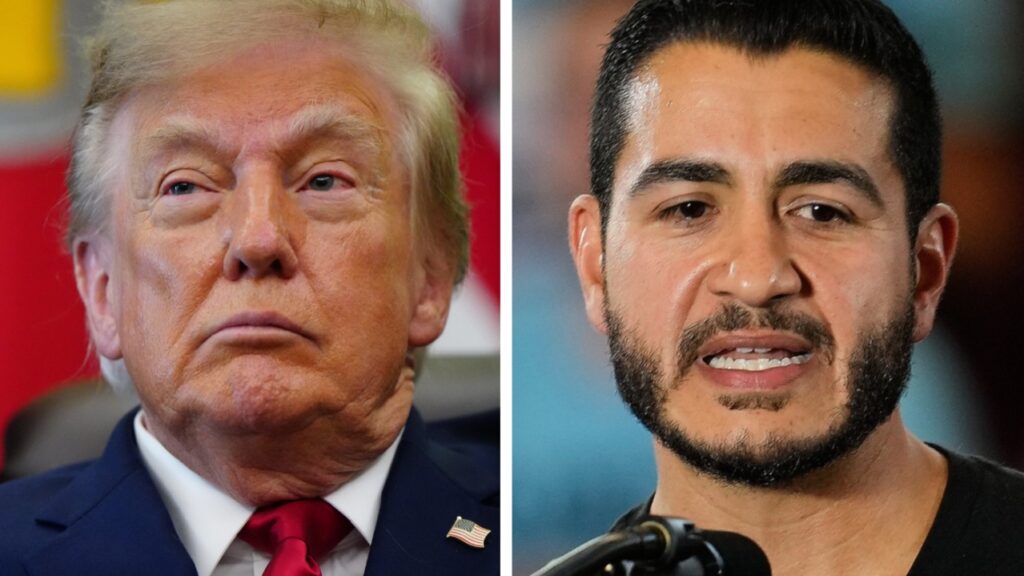
President Trump has similarly criticized the polling industry, arguing during a campaign appearance Thursday that numerous surveys were “fake” and pointing to allegations involving Wedgewood, a purported polling organization accused of manufacturing results rather than conducting legitimate surveys.
“They didn’t do polling. They just made up numbers,” Trump said.
Rogan and his guests also discussed the growing difficulty of determining which information circulating online can be trusted, particularly amid the proliferation of fabricated news reports, automated social media accounts, and foreign influence operations.
Kisin warned that the sheer volume of misleading material has made even basic fact-checking increasingly demanding for ordinary Americans.
“You have to really do a lot of research now to even know the basic facts of anything,” Kisin said.
Rogan agreed, describing how he frequently encounters completely invented stories packaged to resemble legitimate breaking news.
Professional polling organizations generally attempt to compensate for low response rates through demographic weighting, statistical adjustments, and other methods designed to make survey samples more representative. Rogan nevertheless questioned whether those techniques can adequately address the fundamental problem of who is willing to answer a poll in the first place.
Additional coverage of the episode noted that Rogan had used an artificial intelligence tool to summarize the Pew Research Center findings before launching into his criticism of polling. The approximately 1% of respondents he praised for declining to answer had actually participated in the survey but skipped one particular question.
Rogan has expressed similar doubts about political polling in the past. During his October 2024 interview with Trump, he questioned whether surveys adequately captured public sentiment, while Trump said he had rarely, if ever, been contacted by a pollster.