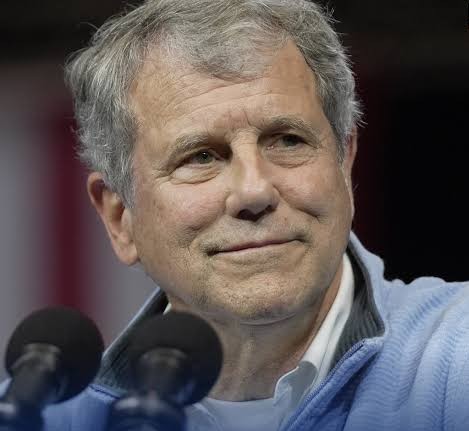
Democrat Sherrod Brown Wins Ohio Senate Seat Two Years After Stunning Defeat, Delivering Another Major Blow to Republicans

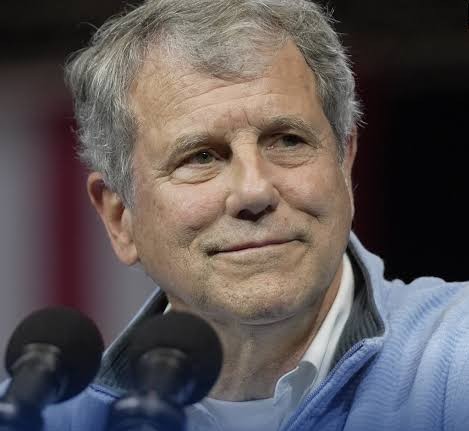
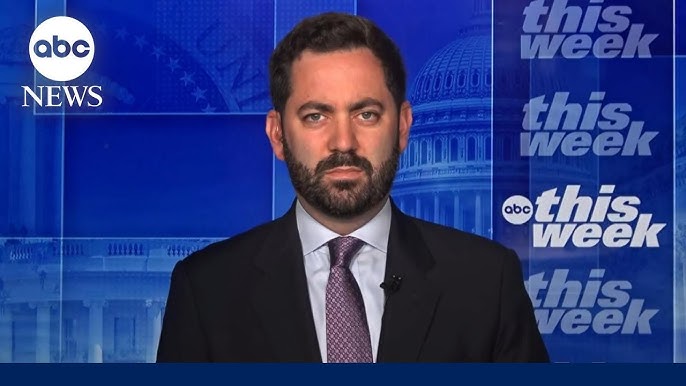
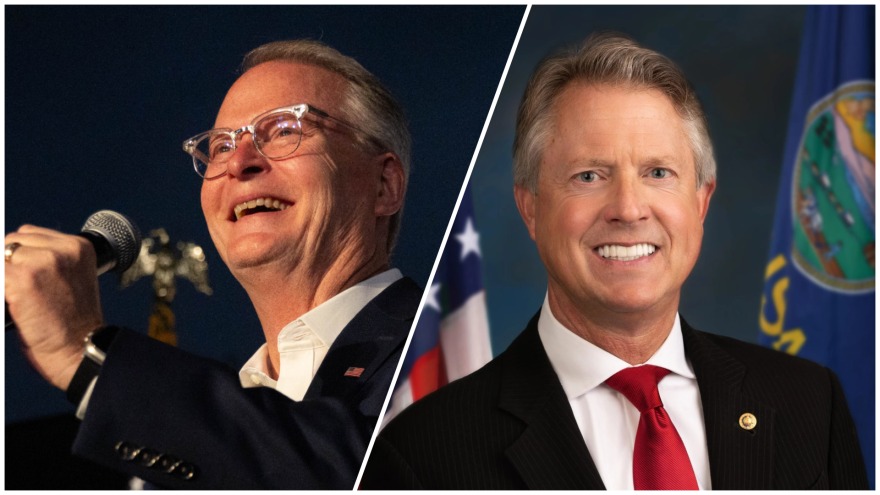
Democrat Sherrod Brown has staged a remarkable political comeback in Ohio, defeating Republican Senator Jon Husted in Tuesday’s closely contested special election and reclaiming a seat in the U.S. Senate just two years after voters removed him from office.
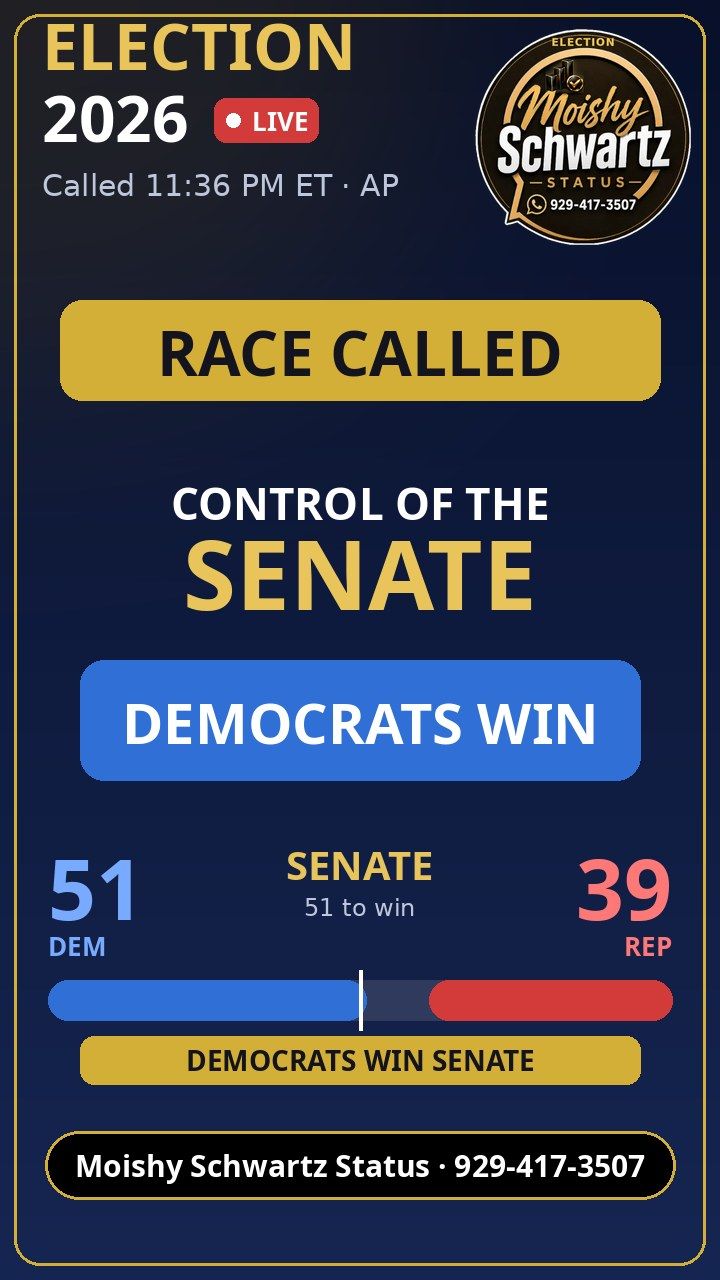
The Associated Press projected Brown the winner in one of the nation’s most expensive and closely watched Senate contests, delivering another important pickup for Democrats as they seek to overturn the Republican majority in Washington.
Brown, 73, previously represented Ohio in the Senate for 18 years before losing his reelection bid to Republican Bernie Moreno in 2024. His latest victory returns him to Washington in the seat previously held by Vice President JD Vance, who resigned from the Senate after winning the 2024 presidential election alongside President Donald Trump.
Husted, Ohio’s former lieutenant governor, was appointed to the Senate by Republican Governor Mike DeWine in January 2025 to fill the vacancy created by Vance’s departure. Tuesday’s special election determined who would serve the remaining two years of Vance’s term, which expires in January 2029.
The outcome represents a significant setback for Republicans in a state that has moved sharply toward the GOP over the past decade. Trump carried Ohio in three consecutive presidential elections, including a decisive victory in 2024, and Republicans have increasingly dominated statewide contests.
Brown’s ability to win under those circumstances demonstrates the difficulties facing Republican candidates amid widespread voter frustration over the cost of living, economic uncertainty, and the policies of the Trump administration.
The race attracted extraordinary national attention and more than $500 million in political spending, making it one of the costliest Senate contests in American history.
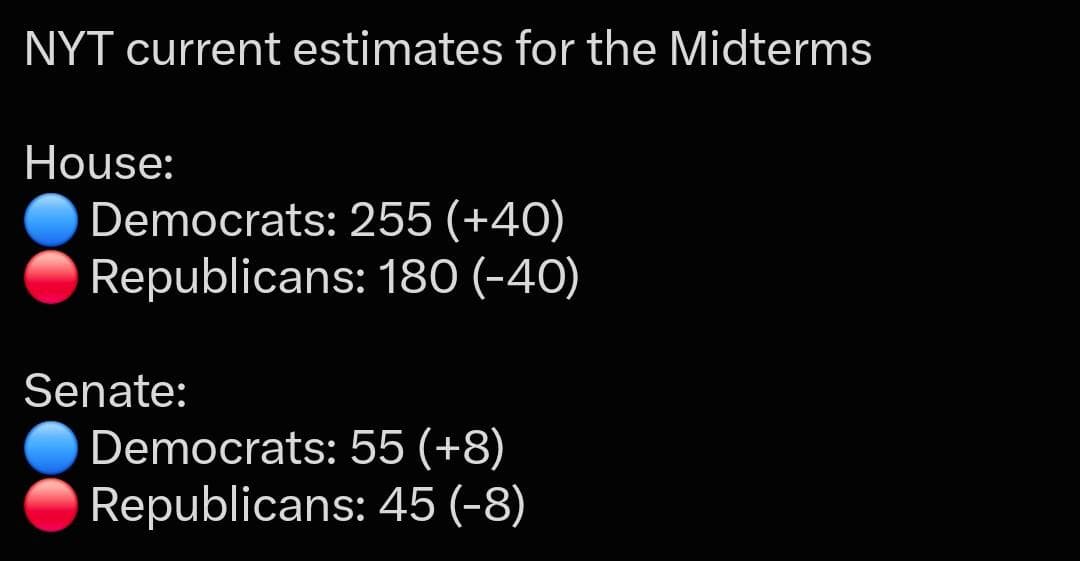
Both parties viewed the election as potentially decisive in the battle for control of the Senate, where Republicans entered Election Day holding a 53-47 majority. Democrats needed a net gain of four seats to regain control of the chamber.
Brown, a longtime advocate for organized labor and manufacturing workers, centered his campaign on economic issues, arguing that Republican policies had failed Ohio families struggling with higher prices.
He repeatedly criticized the administration’s tariffs and trade disputes, particularly their effects on Ohio businesses and manufacturers with commercial relationships in Canada.
The war with Iran and its impact on gasoline and transportation costs also became important campaign issues, allowing Brown to argue that Republican leadership had contributed to the financial pressures facing ordinary Americans.
Brown sought to revive the working-class political coalition that had sustained his earlier victories in Ohio, emphasizing his opposition to corporate influence and his longstanding support for American manufacturing.
He also attacked Husted over his connections to major political donors, his support for the expansion of artificial intelligence data centers, and his involvement in testimony connected to Ohio’s FirstEnergy bribery scandal.
Another point of contention involved campaign contributions from billionaire Les Wexner, whose past association with Jeffrey Epstein became an issue raised by Brown’s campaign.
Husted rejected the attacks and portrayed Brown as a career politician whose decades in elected office had left him out of touch with the state’s changing political priorities.
The Republican incumbent emphasized Brown’s lengthy political career, which began with his election to the Ohio House of Representatives in 1974, and argued that the Democrat’s record was too liberal for Ohio voters.
Husted also criticized Brown’s support for the federal bank bailout during the 2008 financial crisis, attempting to challenge his reputation as a defender of working-class interests.
President Trump endorsed Husted and campaigned on his behalf, seeking to energize Republican voters and prevent Democrats from capturing a seat in a state that had become an important component of the GOP’s electoral coalition.