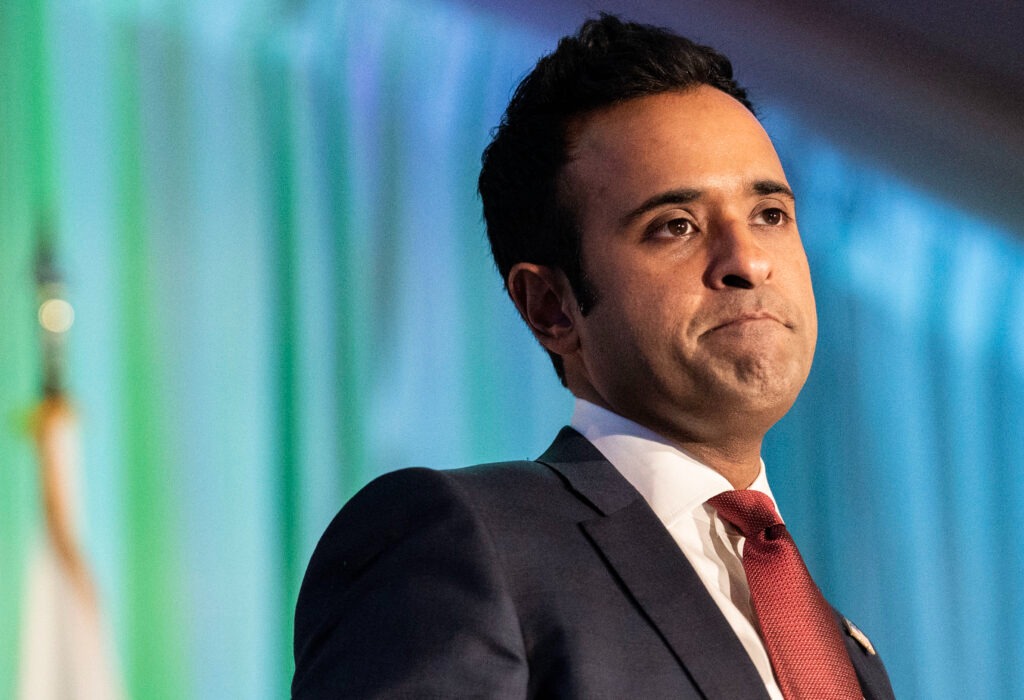
Ramaswamy Loses Ohio Governor's Race to Democrat Amy Acton in Major Republican Upset

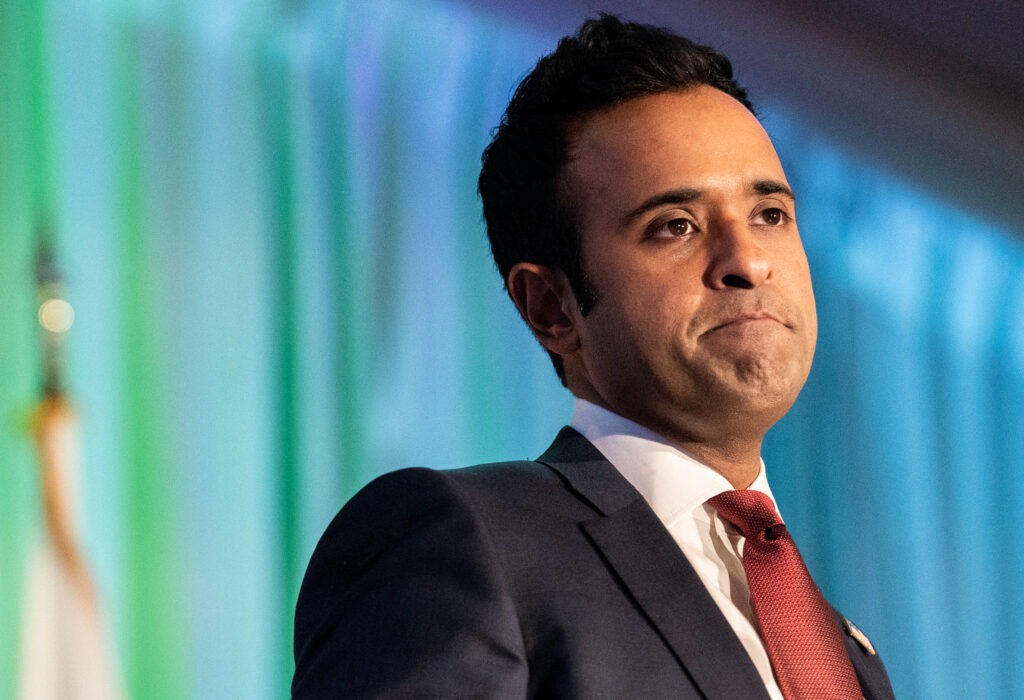
Vivek Ramaswamy, the wealthy biotechnology entrepreneur and outspoken ally of President Donald Trump who emerged as a prominent figure in Republican politics following his 2024 presidential campaign, has suffered a major electoral defeat in Ohio, losing the governor’s race to Democrat Amy Acton in one of the most consequential upsets of Tuesday’s midterm elections.
Acton, a physician and former Ohio health director who became nationally known during the COVID-19 pandemic, defeated Ramaswamy despite his strong backing from Trump, Vice President JD Vance, and the Republican establishment. Her victory returns the Ohio governor’s office to Democratic control for the first time in two decades.
The Associated Press and other major news organizations projected Acton as the winner Tuesday night, delivering a striking setback to Republicans in a state that has increasingly shifted toward the GOP in recent election cycles.
The result is particularly significant because Trump carried Ohio by approximately 11 percentage points in the 2024 presidential election, and Republicans have dominated statewide politics there for years.
Acton, 60, will succeed Republican Governor Mike DeWine, who was barred by term limits from seeking another term. She will become the first woman elected governor of Ohio, marking a historic milestone for the state.
Ramaswamy, 41, entered the race with considerable advantages, including national name recognition, substantial personal wealth, extensive financial backing, and the endorsement of Trump.
The Cincinnati-born businessman had previously sought the Republican presidential nomination in 2024, gaining attention for his aggressive criticism of federal bureaucracy, his support for conservative policies, and his willingness to challenge established figures within his own party.
After withdrawing from the presidential race following the Iowa caucuses, Ramaswamy endorsed Trump and became one of his most enthusiastic political supporters.
Following Trump’s election victory, Ramaswamy was initially selected to help lead the administration’s Department of Government Efficiency initiative alongside Elon Musk, although he departed before the administration took office.
He subsequently announced his campaign for Ohio governor in February 2025, presenting himself as a political outsider who would bring business-oriented management and sweeping government reforms to Columbus.
Trump endorsed his candidacy, and Ohio Republican leaders quickly rallied behind him, effectively clearing the path to the party’s nomination.
Ramaswamy campaigned on reducing government inefficiency, promoting economic development, and applying the principles of private-sector management to state government.
Acton, however, pursued a markedly different strategy, emphasizing economic affordability, access to health care, and the financial pressures confronting working families.
A native of Youngstown, Acton frequently discussed her difficult childhood, including periods of homelessness, using her personal experiences to connect with voters concerned about rising living expenses and economic insecurity.
She previously served as director of the Ohio Department of Health under DeWine, a Republican, and became a prominent public figure during the early stages of the COVID-19 pandemic.
Her handling of the pandemic remained controversial throughout the campaign, with Ramaswamy and other Republicans criticizing restrictions imposed during that period.
Acton defended her public service and sought to shift attention toward the economic and health care challenges facing Ohio residents.
The controversy was especially sensitive because Acton had previously disclosed a traumatic childhood involving allegations of abuse by her stepfather.
The controversy intensified scrutiny of Ramaswamy’s campaign tactics and threatened to distract from his central message about economic development and government reform.
Despite significant Republican spending, Acton maintained a competitive position throughout the final stages of the race and ultimately secured a victory that few would have expected in a state Trump had carried comfortably just two years earlier.
More than $100 million was reportedly spent opposing Acton’s candidacy, making her victory particularly noteworthy given the considerable financial resources directed against her.