Letitia James Wins Third Term as New York Attorney General, Defeating Trump-Backed Challenger

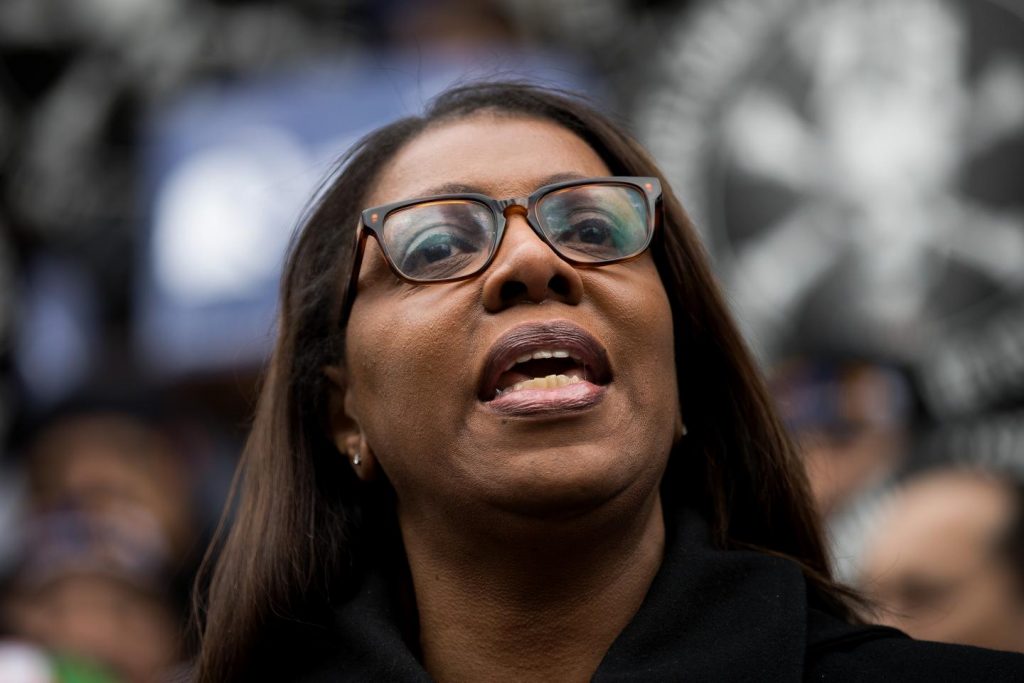
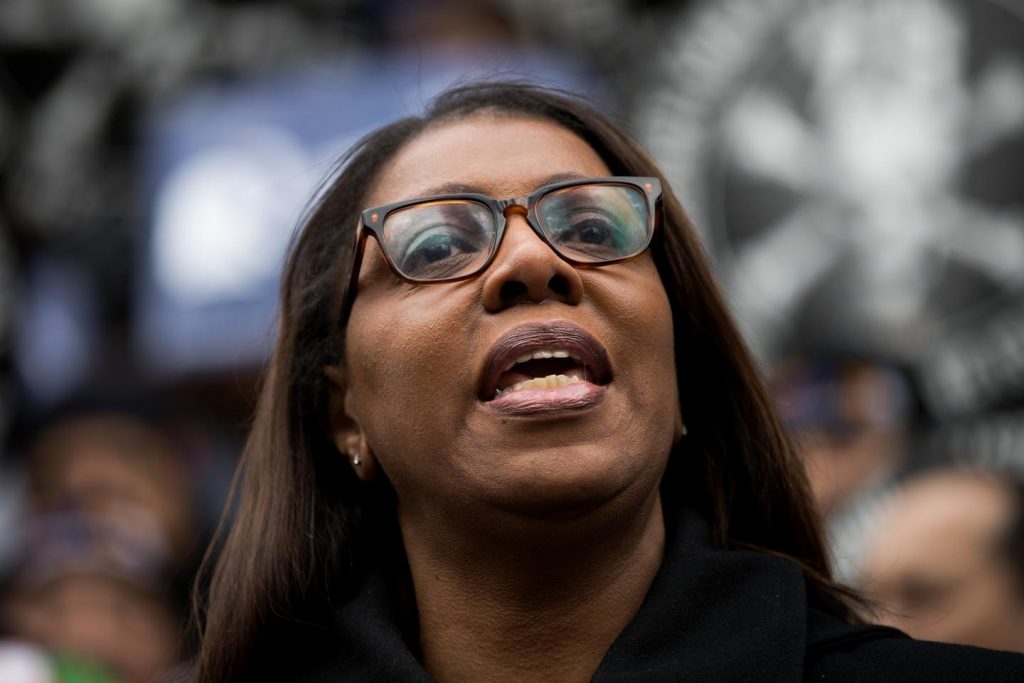
New York Attorney General Letitia James, one of President Donald Trump’s most prominent political and legal adversaries, has won reelection to a third term, defeating Republican challenger Saritha Komatireddy in a contest that once again placed James’s yearslong confrontation with the president at the center of a statewide election.
James, a Democrat who has repeatedly pursued legal action against Trump and his administration, declared victory Tuesday night as election returns showed her holding a commanding lead over Komatireddy, a former federal prosecutor who had received Trump’s endorsement.
With approximately 52 percent of the expected vote counted, James was leading with roughly 67 percent to Komatireddy’s 33 percent, according to election results reported early Wednesday. The outcome allows James to remain New York’s chief legal officer for another four years, positioning her to continue challenging the Trump administration in court.
“My heart is full tonight. This victory belongs to each and every one of you,” James told supporters at a Democratic gathering in Manhattan shortly after 10 p.m.
“New Yorkers spoke loud and clear: they want Tish James to finish the job,” she declared.
The victory represents a political setback for Trump, who had supported Komatireddy’s effort to unseat an attorney general whose legal battles with him have generated national attention for years.
James first took office in 2019 and has become a central figure in Democratic legal efforts against Trump, both through litigation involving his business interests and through lawsuits challenging policies implemented by his administration.
Her most prominent case against the president involved a civil fraud lawsuit accusing Trump and his businesses of misrepresenting asset valuations. The case resulted in a substantial financial judgment, although an appellate court subsequently overturned the monetary penalty. Further proceedings remain pending, with New York’s highest court expected to consider the matter next year.
The legal confrontation between James and Trump has also extended beyond the civil fraud proceedings.
In October 2025, James was indicted by a federal grand jury on charges related to a home purchase in Norfolk, Virginia. She pleaded not guilty, and the charges were subsequently dismissed after a federal judge determined that the prosecutor responsible for the case had not been lawfully appointed.
Trump has repeatedly criticized James, portraying her investigations as politically motivated. James, meanwhile, has maintained that her office’s legal actions are grounded in the law and that public officials should be held accountable regardless of their political standing.
Komatireddy, 42, sought to capitalize on those controversies during the campaign, arguing that James had allowed her political disputes with Trump to distract from the responsibilities of the attorney general’s office.
The Republican challenger, who previously served as a federal prosecutor, emphasized public safety, retail theft, street crime, and concerns about the priorities of New York’s law enforcement establishment.
She accused James of devoting excessive attention to national political battles while failing to adequately address issues affecting ordinary New Yorkers.
James rejected those accusations, defending her record on consumer protection, civil rights, antitrust enforcement, and litigation involving major corporations.
Her attacks also focused on allegations raised by a former prosecutor in the attorney general’s office, who claimed that supervisors had improperly directed investigations toward individuals and organizations associated with Trump.
James disputed the allegations, and the controversy became another flashpoint in a campaign already dominated by questions about the political independence of the attorney general’s office.
New York has not elected a Republican attorney general since 1994, and polling throughout the campaign consistently showed James maintaining a double-digit advantage.
Komatireddy’s campaign attempted to narrow that gap by appealing to voters frustrated with crime, government spending, and what Republicans described as the politicization of law enforcement.