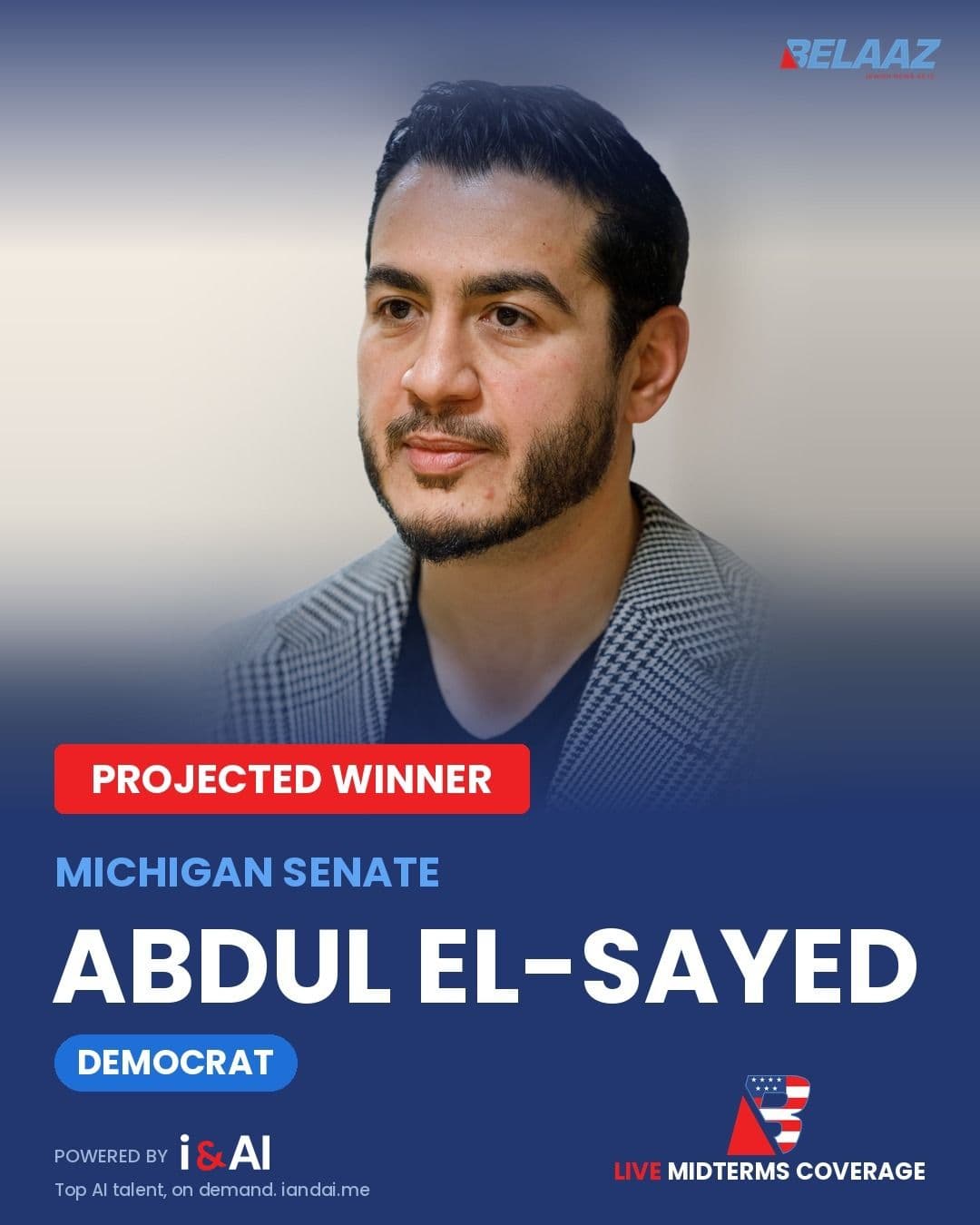
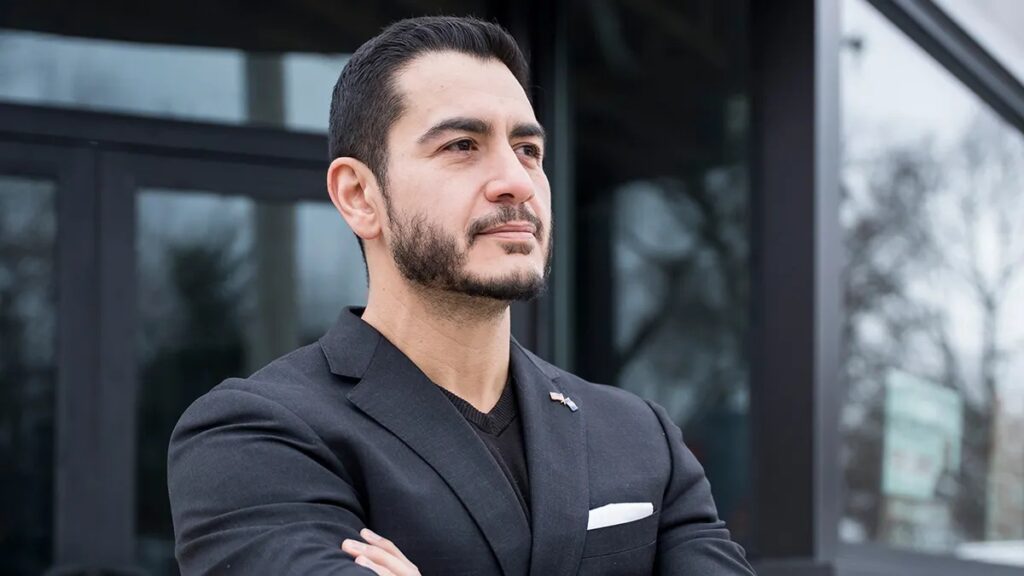
Anti-Israel Progressive Abdul El-Sayed Leads Republican Mike Rogers After Bitter Campaign, Stunning Democratic Defection

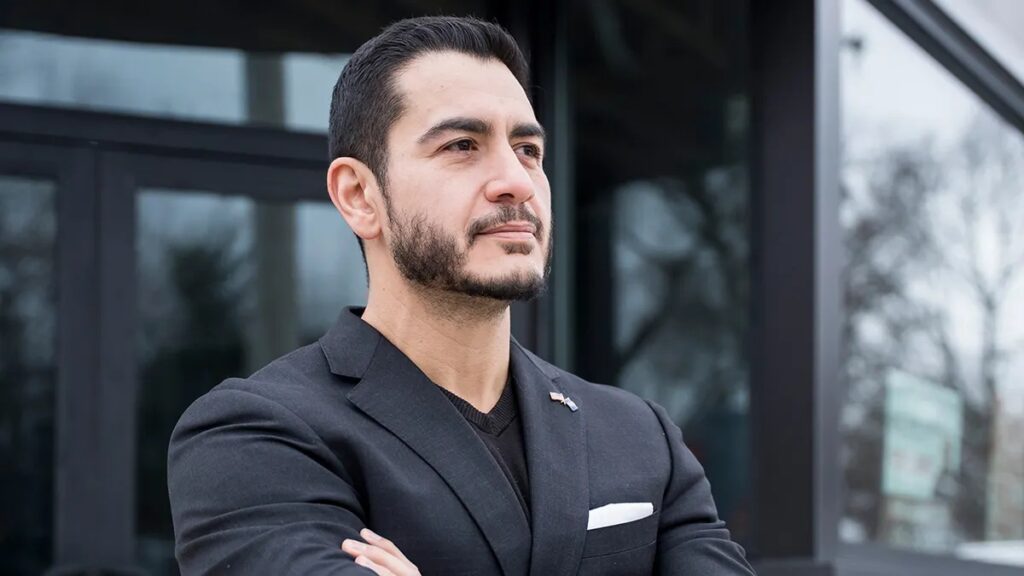
Democrat Abdul El-Sayed, a progressive politician who has called for ending American military assistance to Israel, was leading Republican Mike Rogers early Wednesday in Michigan’s fiercely contested U.S. Senate election, threatening to deliver a major setback to Republicans in one of the nation’s most closely watched races.
The contest, which attracted extraordinary national attention and hundreds of millions of dollars in campaign spending, has been marked by bitter disputes over Israel, allegations of antisemitism, and a remarkable last-minute decision by a prominent Democratic congresswoman to endorse the Republican candidate.
Early Wednesday, El-Sayed was leading Rogers by approximately 49.8 percent to 48.3 percent, according to results reported by Deadline Detroit shortly after midnight. Election projections indicated that El-Sayed was favored to prevail.
The election is particularly significant for the Jewish community because of El-Sayed’s outspoken opposition to American military support for Israel and the deep divisions his candidacy has generated among Michigan Democrats.
El-Sayed will become the first Muslim to serve in the United States Senate, representing a state with substantial Jewish and Muslim populations and a long history of closely contested elections.
The seat is being vacated by Democratic Senator Gary Peters, who announced that he would retire after two terms in Washington. Republicans had viewed the opening as one of their best opportunities to capture a Democratic-held Senate seat, particularly after President Donald Trump carried Michigan in the 2024 presidential election.
Rogers, a former FBI agent and seven-term congressman who previously chaired the House Intelligence Committee, entered the race with extensive political experience and strong backing from Republican leaders.
He had narrowly lost Michigan’s 2024 Senate election to Democrat Elissa Slotkin by fewer than 20,000 votes, making his 2026 campaign a second attempt to win a seat in the chamber.
El-Sayed, meanwhile, emerged from a contentious Democratic primary in which he defeated Congresswoman Haley Stevens, a more moderate Democrat who had enjoyed considerable support from the party establishment.
The primary exposed deep ideological differences within Michigan’s Democratic coalition, particularly over Israel and American foreign policy.
El-Sayed has advocated ending American taxpayer support for Israel’s military, arguing that federal resources should instead be directed toward domestic priorities, including health care and economic assistance.
He has also characterized Israel’s military operations in Gaza as genocide, rhetoric that has generated considerable criticism from Jewish Democrats and supporters of Israel.
His position became one of the defining controversies of the election, with Rogers repeatedly warning voters about the consequences of sending El-Sayed to Washington.
The issue produced an extraordinary political development just two days before Election Day when Stevens, who had lost the Democratic primary to El-Sayed, announced that she was endorsing Rogers.
The decision represented a highly unusual break with party loyalty by a sitting Democratic member of Congress in one of the nation’s most consequential Senate races.
Stevens cited El-Sayed’s rhetoric concerning Israel and her own disagreements with him in explaining her decision.
Her endorsement immediately generated widespread attention, with Republicans presenting it as evidence that El-Sayed’s positions were too extreme even for members of his own party.
For Rogers, the endorsement offered an opportunity to appeal directly to moderate Democrats, independent voters, and members of Michigan’s Jewish community who were uncomfortable with El-Sayed’s views.
The Republican campaign hoped that Stevens’ support would persuade voters who ordinarily back Democratic candidates to cross party lines.
The move, however, also provoked a backlash among Democrats, many of whom accused Stevens of undermining her party’s chances of retaining the Senate seat.
El-Sayed’s campaign reported receiving a surge of donations following the endorsement, including approximately $2.4 million raised on the Sunday before Election Day.
Rather than weakening his campaign, the controversy appeared to energize some progressive voters who viewed Stevens’ decision as an example of establishment Democrats attempting to prevent a candidate from challenging longstanding party positions.