Democrat Annie Andrews Defeats Trump-Backed Darline Graham, Flips Republican Senate Seat in Historic Upset

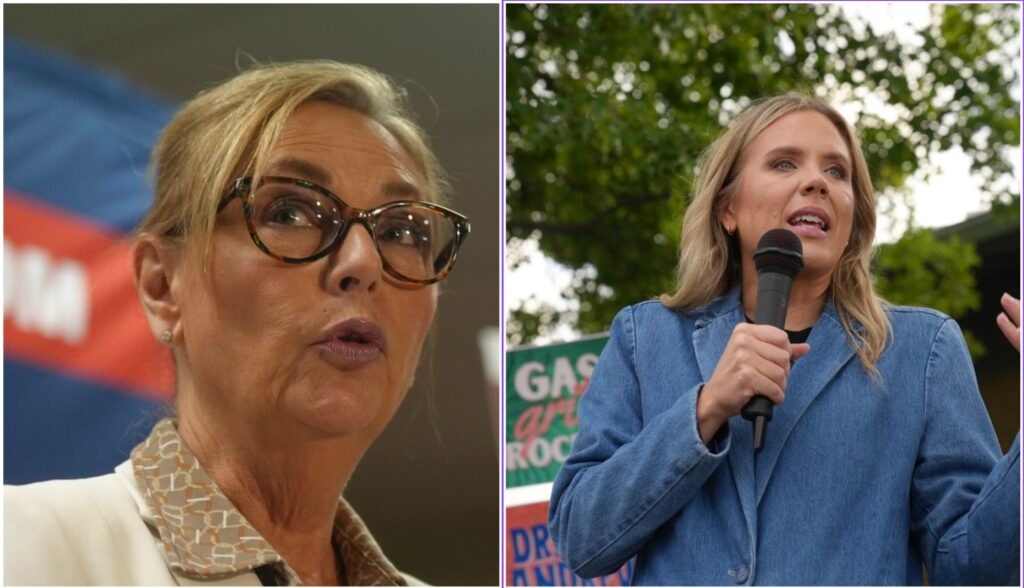
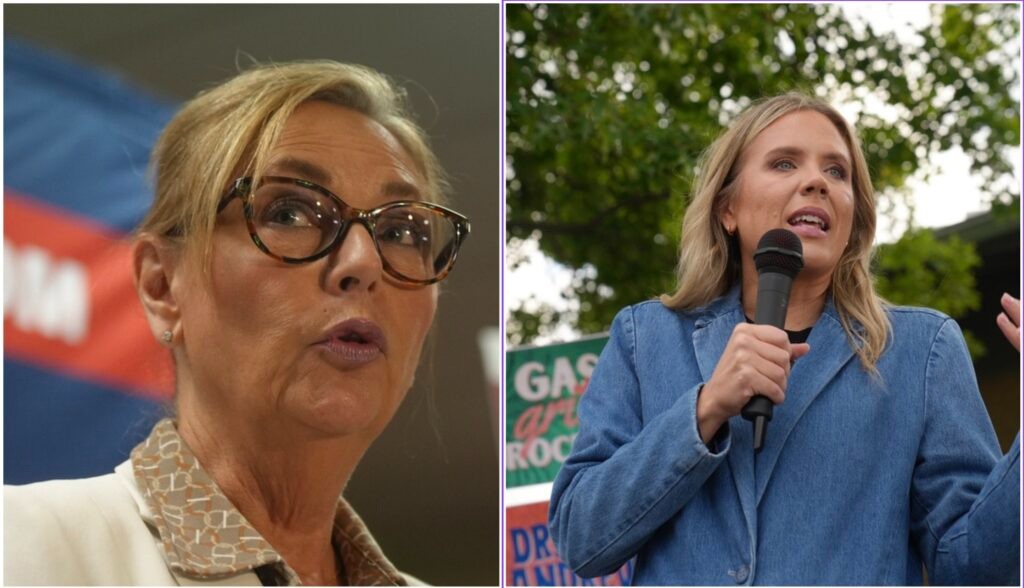
Democrat Annie Andrews has defeated Republican U.S. Senator Darline Graham in South Carolina, delivering one of the biggest upsets of the 2026 midterm elections and capturing a Senate seat that Republicans had controlled for nearly three decades.
The Associated Press and CBS News projected Andrews as the winner Tuesday night, marking the first Democratic victory in a South Carolina U.S. Senate election since 1998. The result represents a major setback for President Donald Trump, who personally endorsed Graham, campaigned on her behalf, and encouraged her to seek the seat previously held by her late brother, longtime Republican Senator Lindsey Graham.
Andrews, a 45-year-old pediatrician from Charleston, will also become the first woman ever elected to represent South Carolina in the U.S. Senate, making her victory historic on multiple fronts.
The outcome is particularly remarkable because South Carolina has been considered a reliably Republican state for decades. Trump carried the state by approximately 18 percentage points in the 2024 presidential election, and Republicans initially expected to retain the Senate seat without serious difficulty.
That calculation changed following the sudden death of Lindsey Graham in July at age 71. Governor Henry McMaster appointed his younger sister, Darline Graham, 62, to serve the remainder of his term, and she subsequently entered the race for a full six-year term.
Graham, who previously served as commissioner of the South Carolina Commission for the Blind, had limited experience in national politics. Nevertheless, she quickly secured Trump’s backing and defeated Congressman Ralph Norman in a special Republican primary runoff in August.
Trump invested considerable political capital in her candidacy, personally campaigning for her and urging South Carolina Republicans to support her election.
Despite those efforts, Andrews capitalized on voter concerns about the economy, healthcare costs, and the direction of the country under the Trump administration.
Her campaign emphasized the financial difficulties facing working families, including rising fuel prices, medical expenses, and the broader cost of living. Andrews also criticized what she characterized as corruption and excessive political influence in Washington.
A central element of her campaign was her professional experience as a pediatrician, which she used to highlight concerns about healthcare access and the financial burdens facing families with children.
The race became unexpectedly competitive during its final weeks, prompting Republican organizations to direct substantial resources toward defending a seat that had previously been considered safe.
The Senate Leadership Fund, the principal Republican Senate super PAC, committed approximately $5 million to the contest in October, while the Trump-aligned MAGA Inc. organization contributed additional financial support.
Republicans and their allies ultimately spent approximately $27 million defending the seat, compared with roughly $24 million in outside spending by Democratic groups. Andrews also enjoyed a substantial fundraising advantage over Graham, raising approximately $22 million more than her Republican opponent.
The candidates clashed sharply during the campaign over economic policy, foreign affairs, and their qualifications for office.
Graham faced criticism after acknowledging during an August debate that she was “not that informed on national security” when questioned about American policy toward Taiwan.
Andrews used the remark to argue that Graham lacked the experience necessary to serve in the Senate, particularly at a time of international tensions and American military involvement overseas.
The Democrat also criticized the administration’s war with Iran, describing it as an unnecessary and costly conflict that had contributed to rising fuel prices and placed additional financial pressure on American families.
Graham, meanwhile, remained closely aligned with Trump, defending his economic policies, tariffs, and handling of foreign affairs.
The campaign also featured disputes over social issues, with Andrews attempting to distinguish herself from more progressive Democrats on certain questions involving transgender policies.