Democrat Joe Rand Defeats Republican Senator Bill Weber in Closely Watched Race

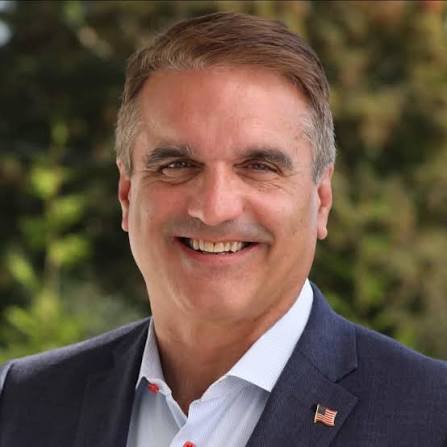
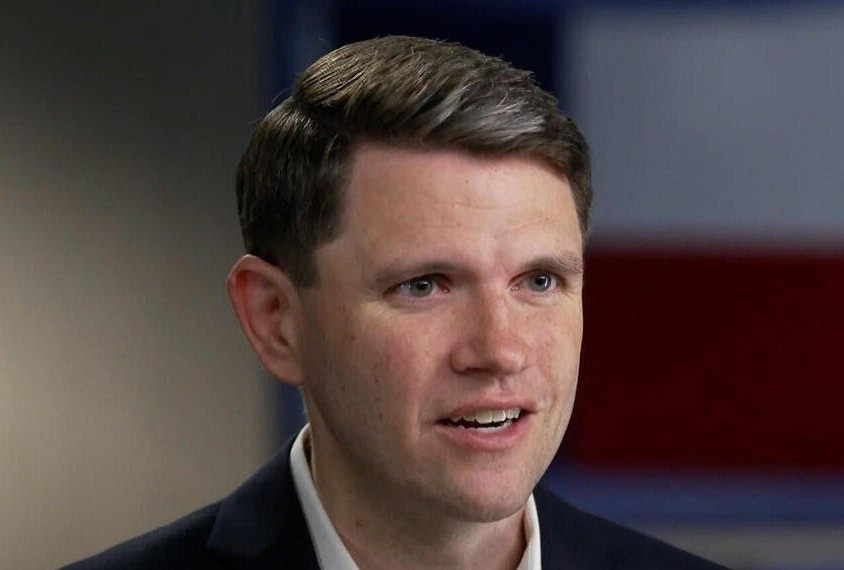
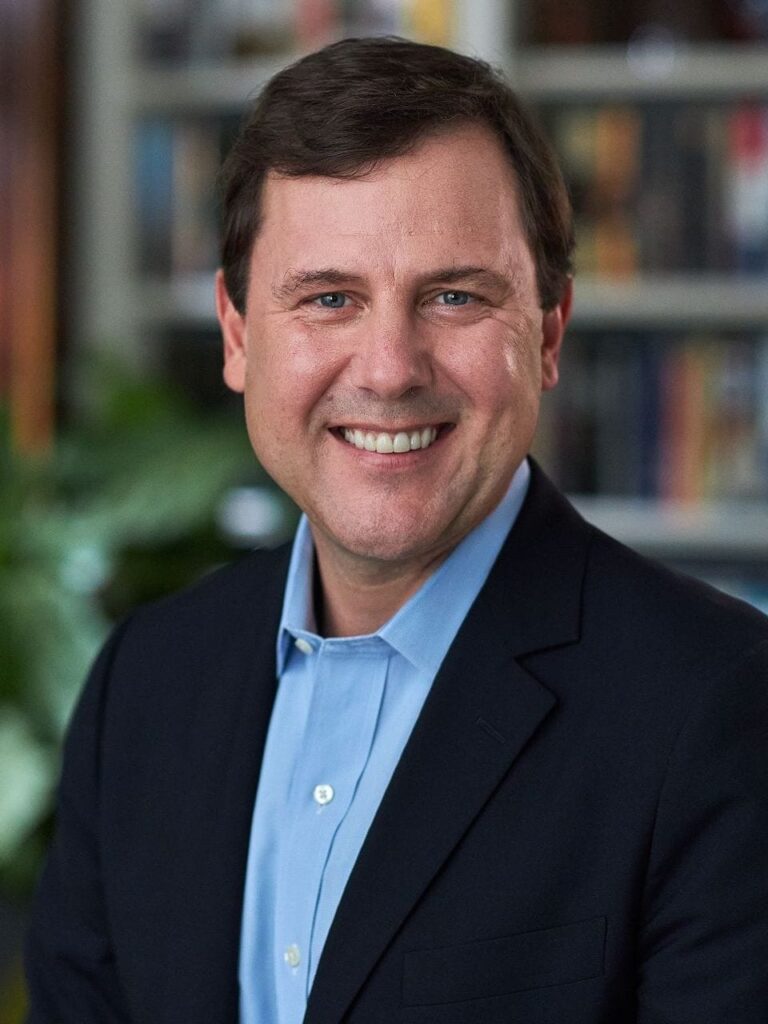
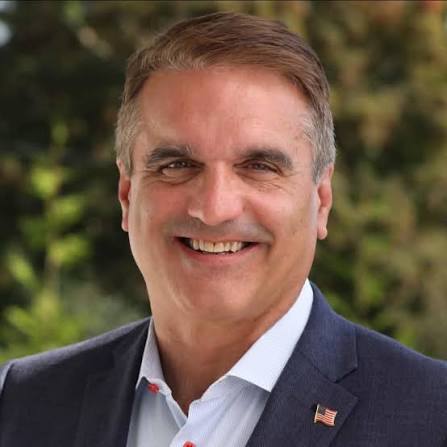
Democrat Joe Rand, the mayor of Nyack, has defeated incumbent Republican State Senator Bill Weber in New York’s 38th Senate District, flipping a Republican-held seat in one of Rockland County’s most closely watched elections and bringing an end to Weber’s four-year tenure in Albany.
Rand’s victory, reported Tuesday night, represents a significant political development in a district that includes Monsey, Spring Valley, New Square, and numerous other communities with substantial frum populations. The race drew extraordinary attention from local rabbonim, askanim, elected officials, and community organizations, with the outcome carrying important implications for yeshivos, government funding, religious freedom, and representation in the State Legislature.
Unofficial election results showed Rand leading Weber by approximately 5.4 percentage points with roughly 80 percent of the vote reporting. The outcome marks a Democratic pickup in a district that Weber captured from Democratic incumbent Elijah Reichlin-Melnick in 2022 and successfully defended in 2024.
Weber, a Republican who also ran on the Conservative Party line, had sought a third term by emphasizing his record of constituent services, his relationships with Orthodox Jewish communities, and his opposition to policies advanced by Democratic leaders in Albany.
Rand, who ran on the Democratic and Working Families Party lines, campaigned on his experience as mayor of Nyack, his relationships with local officials, and his ability to work with the Democratic leadership controlling the State Senate to secure additional resources for Rockland County.
The contest became particularly contentious within Monsey and surrounding communities, where both candidates actively courted support from rabbonim, community leaders, and representatives of local mosdos.
Numerous rabbonim and Orthodox Jewish organizations publicly supported Weber, pointing to his positions on religious freedom, parental rights, education, and the importance of maintaining a Republican voice in Albany. His supporters argued that his record demonstrated a willingness to stand with the community on issues affecting yeshivos and religious institutions.
Rand, meanwhile, secured backing from other influential community figures who emphasized his accessibility, his relationships with local government officials, and the potential advantages of having a senator with strong connections to the Democratic majority in Albany.
His campaign received a major boost in October when dozens of elected officials throughout Rockland County announced their endorsements.
Among those backing Rand were Democratic Assemblyman Aron Wieder, Ramapo Supervisor Michael Specht, Spring Valley Mayor Schenley Vital, and numerous county legislators, village officials, and school board members.
The endorsements also included several officials from communities with significant Orthodox Jewish populations, reflecting the divisions that emerged during the campaign over which candidate would be better positioned to represent local interests.
In the final weeks before Election Day, Rand helped arrange a meeting between State Senate Majority Leader Andrea Stewart-Cousins, Senator Shelley Mayer, and representatives of Rockland County yeshivos. The gathering focused attention on the importance of maintaining communication between the Orthodox Jewish community and the Democratic leadership in Albany.
Weber’s campaign had entered the closing weeks expressing confidence in his reelection prospects.
An internal survey conducted by McLaughlin & Associates in late August and released in October showed Weber leading Rand by 18 percentage points, 53 percent to 35 percent. The poll, commissioned by Weber’s campaign, surveyed 300 likely voters and carried a margin of error of 5.7 percentage points.
Tuesday’s result represented a striking reversal from those figures.
Weber had first won election to the Senate in 2022, defeating Reichlin-Melnick by slightly more than 3,200 votes. Two years later, he secured reelection by a larger margin, receiving 69,278 votes on the Republican and Conservative lines compared with 59,750 for Reichlin-Melnick.
His defeat this year demonstrates how rapidly the district’s political landscape has shifted, particularly amid a national election in which Democrats made substantial gains in competitive races.