As Heating Season Begins, Officials Remind Residents To Check Carbon Monoxide Detectors And Review Generator Safety

Click here to join the official TLS Community:
With the clocks turned back this past weekend and heating season now getting underway, safety officials say this is the time to make sure your home is protected from carbon monoxide – the odorless, colorless gas that kills without warning.
According to the CDC, more than 400 Americans die each year from unintentional carbon monoxide poisoning not linked to fires, more than 100,000 visit an emergency room, and more than 14,000 are hospitalized. The gas is produced any time fuel is burned – in furnaces, water heaters, gas ranges, fireplaces, portable generators, charcoal grills and vehicles – and it can build up indoors before anyone realizes it.
The most common symptoms – headache, dizziness, weakness, upset stomach, vomiting, chest pain and confusion – are often described as “flu-like,” which is why the danger is so easily missed. People who are sleeping can succumb to CO poisoning before they ever experience symptoms. Infants, the elderly, and people with chronic heart disease, anemia or breathing problems are at higher risk.
Officials urge residents to take a few simple steps:
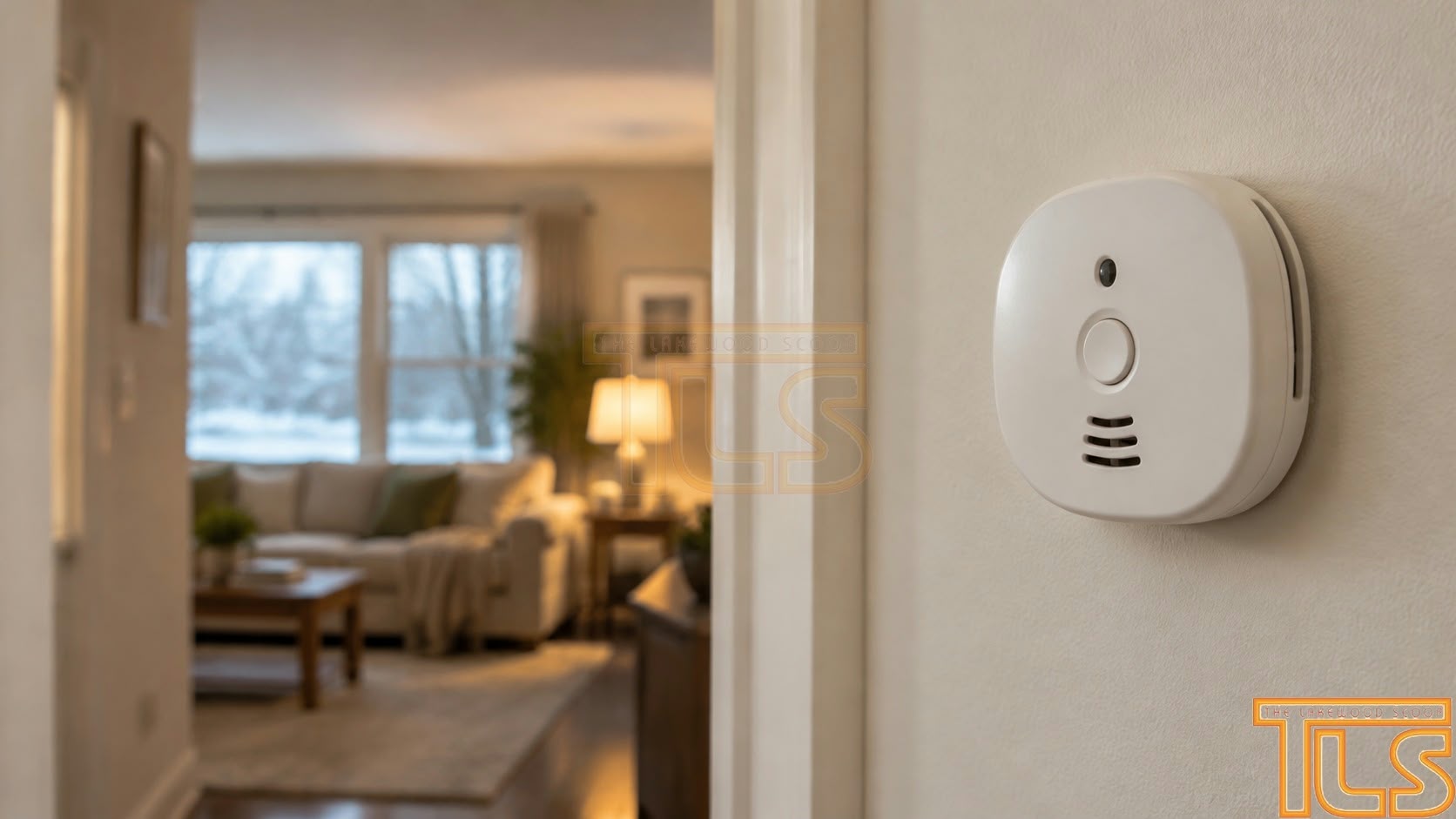
Install and maintain CO detectors. Place battery-operated or battery-backup detectors near every sleeping area, check the batteries when you change your clocks each spring and fall, and replace the unit itself every five years or according to the manufacturer’s instructions.
Service your heating system. Have your furnace, water heater and any other gas or oil-burning appliances inspected by a qualified technician every year, and have your chimney checked or cleaned annually. Never heat your home with a gas oven.
Use generators outdoors only. Never run a generator inside your home or garage – even with doors and windows open. Generators should only be operated outside, more than 20 feet away from windows, doors and vents.
Never idle a car in an attached garage, even with the garage door open, and have your vehicle’s exhaust system checked annually.
Give space heaters room. According to the U.S. Fire Administration, heating equipment remains the second leading cause of home fires. Keep anything that can burn at least three feet away from space heaters, fireplaces, wood stoves and radiators, and turn space heaters off when leaving the room or going to sleep.
If your carbon monoxide alarm sounds, get outside to fresh air immediately and call 911. CO alarms should never be ignored. As TLS previously reported, a working carbon monoxide detector saved the life of an elderly Lakewood resident.