Democratic Midterm Victories and Trump's Aid Cutoff Threaten Israel's Most Important Alliance

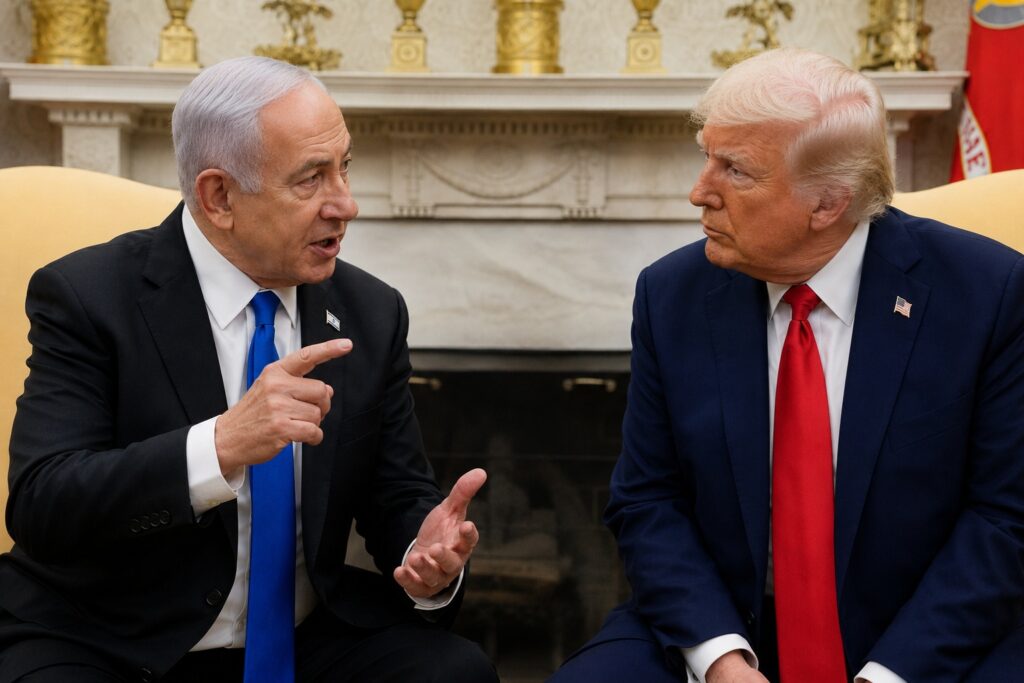
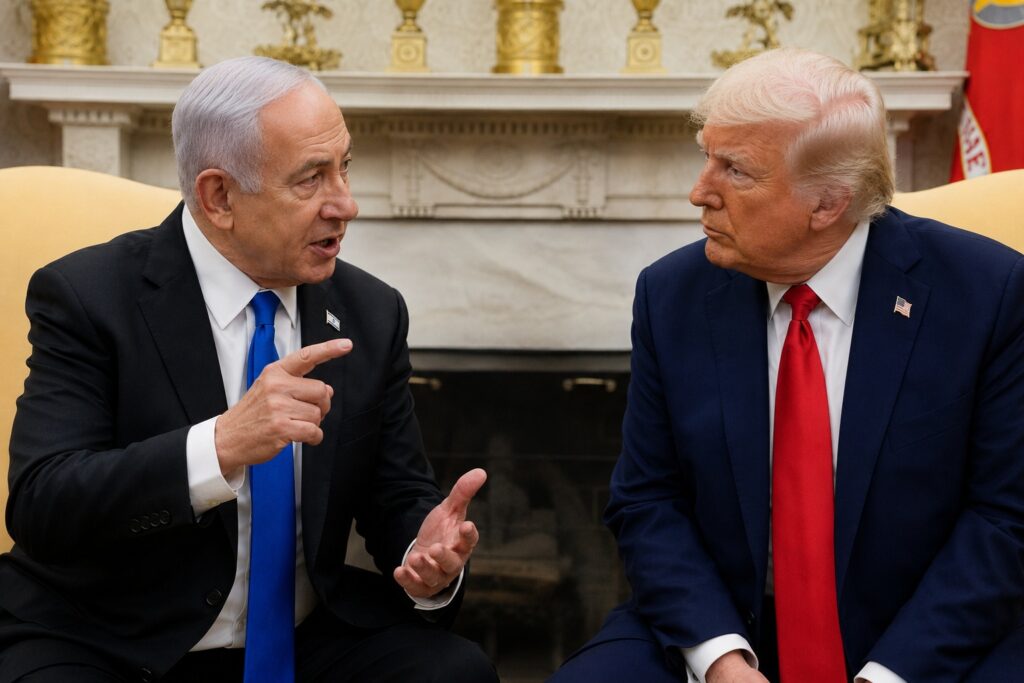
Israel is facing growing uncertainty over the future of its relationship with the United States following the Democratic takeover of Congress and President Donald Trump’s announcement that American military assistance to Israel will end by the close of 2026. The developments have raised serious concerns in Yerushalayim about the durability of American support, particularly as Israel confronts ongoing conflicts involving Iran, Lebanon, and Gaza.
A Wall Street Journal analysis describes a potentially historic turning point in relations between Washington and Yerushalayim, with growing criticism of Israel among Democrats now accompanied by increasing frustration within Republican circles, including among figures close to Trump.
The diplomatic uncertainty comes at a particularly difficult moment for Israel. Last month’s elections failed to produce a decisive parliamentary majority, leaving Prime Minister Binyamin Netanyahu and former IDF Chief of Staff Gadi Eisenkot competing to assemble the country’s next governing coalition.
Netanyahu had emphasized his close relationship with Trump throughout the election campaign, portraying his access to the American president as a major diplomatic advantage. But the political upheaval in Washington has complicated that argument, raising questions about whether even Netanyahu’s longstanding personal ties to Trump can protect Israel from a broader shift in American policy.
Josh Krasna, a former Israeli diplomat and senior researcher at the Moshe Dayan Center, described the atmosphere in Israel as one of extraordinary alarm.
“There is unimaginable panic in Israel,” Krasna said. “Israelis were raised to believe that the Americans would always be our friends, and in a sense, this was a wake-up call.”
Although Israel continues to enjoy substantial support on Capitol Hill, the Democratic victories have increased the number of lawmakers likely to demand restrictions on military assistance, impose conditions on weapons transfers, or challenge Israeli military operations.
Danny Citrinowicz, a senior researcher at Israel’s Institute for National Security Studies, warned that future American assistance packages could face significantly tougher congressional scrutiny.
“Future financial assistance could face strict limitations, and Congress will demand much closer oversight of the use of American weapons, particularly regarding Israeli policy toward the Palestinians,” Citrinowicz said.
Speaking to the Wall Street Journal, Citrinowicz suggested that the consequences could extend well beyond financial assistance. Future American administrations, he warned, might become less willing to veto resolutions critical of Israel at the United Nations and could draw a sharper distinction between defending Israel against attacks and supporting Israeli-initiated military campaigns.
The changing political atmosphere was also evident in a public exchange involving Israeli opposition leader Yair Lapid, who proposed traveling to the United States to rebuild support for Israel.
Brad Lander, the newly elected Democratic congressman from New York, responded sharply to the suggestion.
“We are not thirsty for campaign tours and performances. We are hungry to see respect for international law and human rights.”
The growing divide reflects years of deteriorating relations between Netanyahu and significant portions of the Democratic Party. Critics of the prime minister have long argued that his close identification with Republican leaders came at the expense of Israel’s traditionally bipartisan standing in Washington.
Democratic opposition to Israeli policies intensified during the Gaza war, but the latest developments suggest that Israel’s difficulties are no longer confined to one political party.
On Election Day, Trump reportedly surprised Israeli officials by announcing during a Fox News interview that American military assistance to Israel would be discontinued “by the end of this year.”
The president presented the decision as an effort to neutralize a central campaign issue used by Democratic candidates who had called for ending American assistance to Israel.
Among those candidates was Abdul El-Sayed, who won Michigan’s Senate race after campaigning on a platform that included opposition to continued military aid.