67 TO 46: Eisenkot Wins Decisive Edge Over Netanyahu in Presidential Recommendations as UTJ Refuses to Back Either Candidate

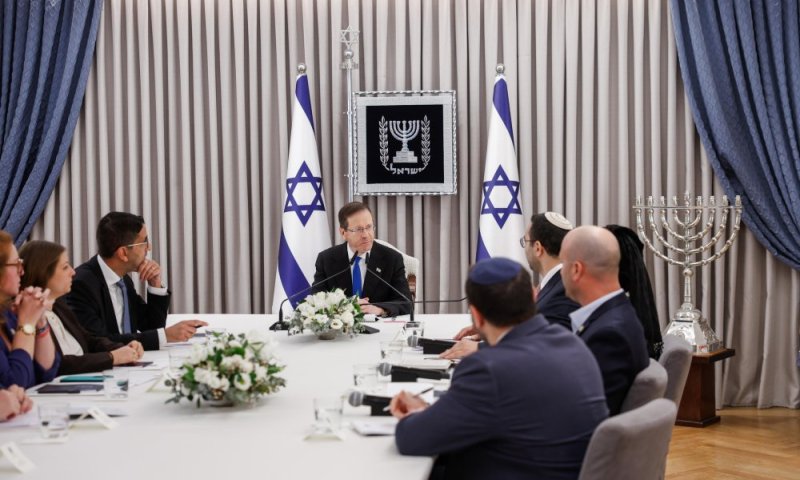
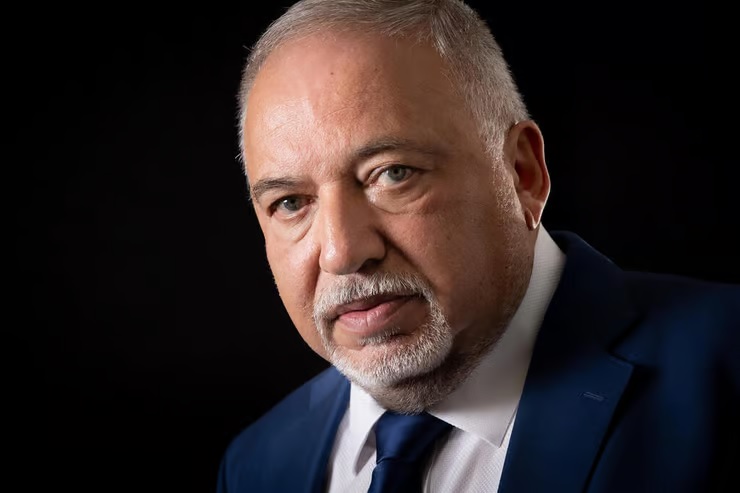
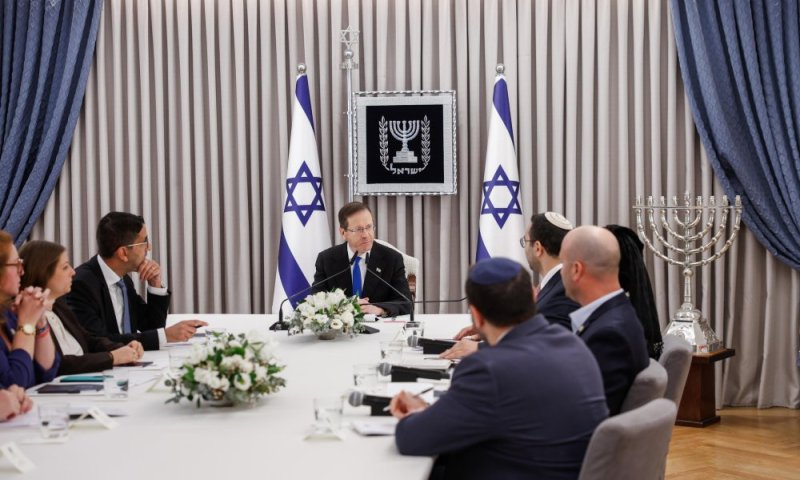
Gadi Eisenkot emerged Thursday evening with a commanding advantage in the race to form Israel’s next government, securing recommendations from 67 Knesset members compared with 46 for Prime Minister Binyamin Netanyahu, as President Isaac Herzog concluded two days of consultations with the parties elected to the Knesset.
The most significant development came from United Torah Judaism, whose seven Knesset members declined to endorse either candidate, leaving Netanyahu without the support of a party that has traditionally been a central component of his political alliance. UTJ representatives cited the unresolved controversy over the drafting of yeshiva bochurim as a major factor in their decision.
The final tally leaves Eisenkot, chairman of the Yashar party, with the backing of six factions: Yashar, Beyachad, Yisrael Beiteinu, the Democrats, Ra’am, and the Joint List. Netanyahu received the support of Likud, Shas, Religious Zionism, Otzma Yehudit, and Zehut.
Thursday’s consultations concluded with a contentious appearance by Likud representatives, who urged Herzog to assign Netanyahu the task of forming a government despite Eisenkot’s numerical advantage.
Education Minister Yoav Kisch warned that the parties opposing Netanyahu could threaten the country’s Jewish character, declaring, “The left-wing parties must not turn out the lights on the Jewish state.”
Kisch proposed establishing a national government that would include all parties aligned with Netanyahu while allowing additional factions to join.
Herzog questioned whether Likud would consider excluding more extreme elements from a prospective coalition to make a broader unity government possible.
“Anyone who accepts our basic principles is welcome,” Kisch replied.
The president also confronted Transportation Minister Miri Regev over attacks directed at Eisenkot during the election campaign, arguing that such rhetoric was incompatible with calls for national unity.
“You can’t say about Eisenkot, ‘Either the right or Palestine,’ and then say we want a unity government. A little perspective,” Herzog told Regev.
Another issue raised during the meeting concerned tensions between Shin Bet chief Dovid Zini and Attorney General Gali Baharav-Miara over the investigation into suspected foreign interference in the elections.
Herzog informed the Likud delegation that Zini and Baharav-Miara had met Wednesday and reached understandings regarding the handling of the investigation. According to the president, the disagreement between the two officials had been resolved.
United Torah Judaism was the only faction to refrain from supporting either candidate, a decision that could prove especially consequential as coalition negotiations proceed.
Although Eisenkot received recommendations from a majority of the Knesset, the parties supporting him have not necessarily agreed to serve together in a coalition. His ability to form a government will depend on overcoming significant political differences among the factions that endorsed him.
The position of United Torah Judaism has become particularly important amid reports of discussions about a possible government involving the chareidi parties and factions that have opposed Netanyahu.
With the consultations completed, Herzog is expected to deliver a statement before deciding which candidate will receive the presidential mandate to attempt to form the next government.
Under Israeli law, Herzog is not obligated to choose the candidate with the largest number of recommendations. His responsibility is to select the Knesset member he believes has the strongest prospect of assembling a governing coalition.
The president has until November 11 to make that decision. Whoever receives the mandate will initially have 28 days to form a government, with the possibility of a 14-day extension.
UTJ’s refusal to endorse Netanyahu follows mounting frustration within the party over his failure to secure legislation protecting the status of yeshiva students. Representatives of both Degel HaTorah and Agudas Yisroel have made clear that their future coalition decisions will depend heavily on an acceptable resolution to the draft issue.