Supreme Court Rejects Trump Administration’s Bid to Set Aside 20,000 California Votes

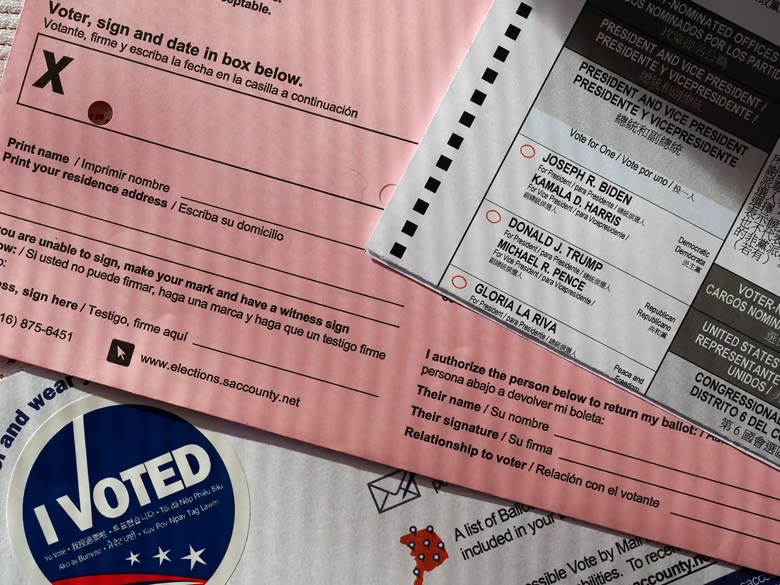
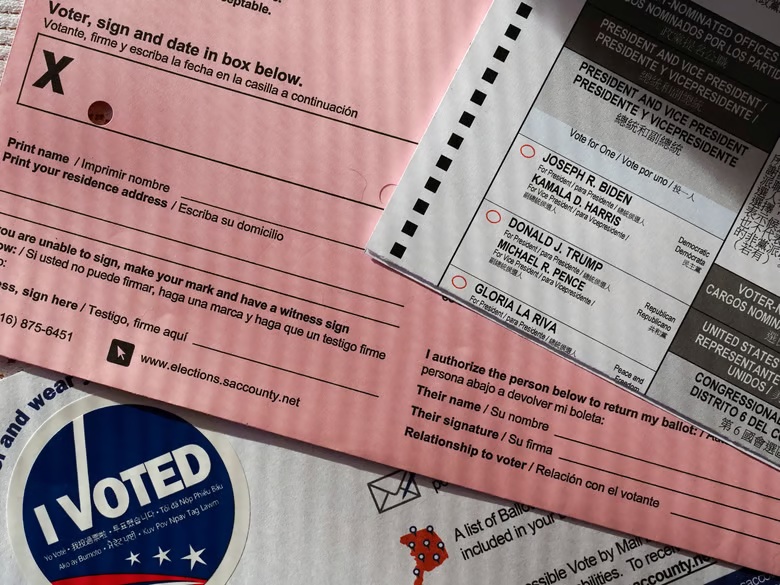
The US Supreme Court on Monday refused to grant an emergency request from President Donald Trump’s administration to isolate approximately 20,000 California mail-in ballots while federal authorities investigate whether the voters who submitted them are American citizens. The decision represents a setback for the administration’s election integrity efforts just one day before the midterm elections.
The justices declined to overturn lower court rulings that had prevented California election officials from separating ballots belonging to voters whose citizenship status was questioned by the Justice Department. The Supreme Court offered no explanation for its decision, and none of the justices issued a public dissent.
Federal officials had sought a temporary arrangement under which the disputed ballots would be kept apart from other votes until election administrators could establish whether the individuals involved were legally eligible to participate. The administration argued that such a measure would protect federal election requirements without permanently disqualifying legitimate voters.
California authorities resisted the proposal, maintaining that the federal government’s information contained inaccuracies and that implementing the requested procedures immediately before Election Day would create serious administrative complications.
Under federal law, only US citizens may vote in federal contests. The Trump administration has made citizenship verification a central component of its election security agenda, arguing that election officials must take additional precautions to prevent unlawful ballots from influencing election results.
During earlier court proceedings, Justice Department attorney Kenneth Kao acknowledged concerns about the accuracy of the government’s information while explaining that federal authorities wanted California officials to assist in checking the registrations.
“That’s a fair statement,” Kao said when questioned about whether the records contained a substantial number of errors.
“That’s why we ask for the registrars’ aid in verifying these are all valid voters,” he added.
Bill Essayli, the federal prosecutor responsible for the Justice Department’s Los Angeles office, defended the investigation at a separate news conference, insisting that the administration had identified legitimate grounds for examining the registrations.
“This isn’t speculation. This isn’t a theory,” Essayli said, although he conceded that some records might be inaccurate.
The Justice Department filed its lawsuit in mid-October after California officials declined to act on the federal list. A federal district judge rejected the administration’s request, warning that a last-minute change to ballot procedures could disrupt the election and undermine confidence in the counting process.
A divided federal appeals court subsequently upheld the refusal to intervene. Two judges declined to grant the administration’s request, while a third, appointed by Trump, dissented and argued that California’s position risked encouraging the “violation of federal law.”
Additional questions have emerged about the reliability of the federal government’s list. Researchers examining the records reported that roughly 9,000 names, representing more than 40% of those identified, did not appear on California’s voter rolls. They also identified entries that appeared to correspond to American citizens, raising further concerns about the accuracy of the information used to challenge the registrations.
California Gov. Gavin Newsom welcomed the Supreme Court’s decision, writing that the justices had rejected the emergency application without requesting a response from the state. “Democracy won,” he declared.
In a separate legal proceeding Monday, US District Chief Judge James Boasberg in Washington concluded that certain Justice Department demands directed at California election authorities likely exceeded the federal executive branch’s constitutional powers.
“The Executive Branch has likely violated the Constitution’s Elections Clause, which commits authority over election rules to the states and Congress alone,” Boasberg wrote.
The Supreme Court’s action does not constitute a final ruling on the legality of the disputed registrations or establish that every individual on the government’s list is eligible to vote. Rather, it leaves existing election procedures intact while the underlying litigation continues.