Trump Announces End to $4 Billion in Annual U.S. Aid to Israel, Says Netanyahu Agreed Months Ago

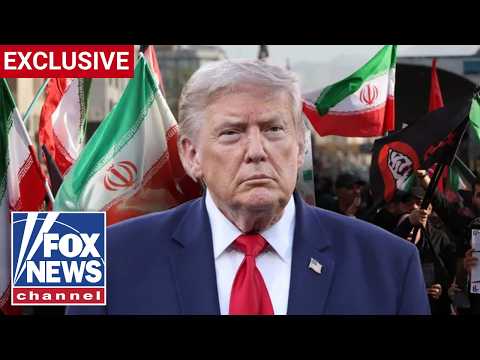
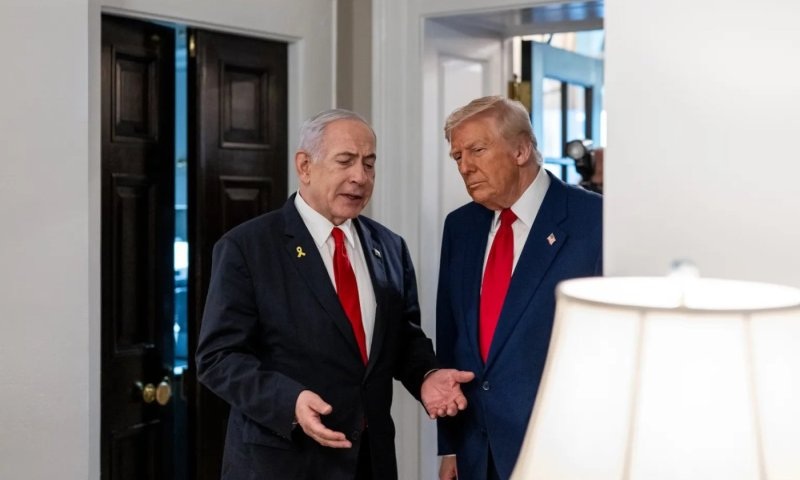
President Donald Trump announced Tuesday morning that the United States will stop providing Israel with approximately $4 billion in annual financial assistance by the end of 2026, revealing that he and Israeli Prime Minister Binyamin Netanyahu reached an agreement months ago to terminate the longstanding arrangement.
Speaking during an interview with Fox & Friends on Election Day, Trump said the decision was made jointly with Netanyahu and insisted that Israel no longer requires the billions of dollars Washington has traditionally provided, primarily for military purposes.
“Now, as far as paying Israel, Bibi Netanyahu and I have made a deal that we give Israel $4 billion a year, and we made a deal months ago that we’re stopping,” Trump said.
“We’ve already agreed that by the end of this year we won’t be paying Israel. Now we’ll help Israel if they need it.”
The announcement represents a potentially historic change in American policy toward Israel, which has received billions of dollars in annual U.S. military assistance for decades. The president emphasized, however, that ending direct financial support would not mean abandoning Israel or preventing it from purchasing American weapons.
Trump said Israel has developed the economic and military strength to finance its own defense requirements and suggested that the relationship between the two countries should increasingly be based on Israel purchasing American military equipment rather than receiving it through annual assistance packages.
The president also linked the decision to American domestic politics, arguing that Democrats and left-wing politicians have repeatedly used U.S. financial assistance to Israel as a political issue against Republicans. He specifically pointed to Michigan Democratic Senate candidate Abdul El-Sayed, whose opposition to American military assistance for Israel has become a prominent issue in his campaign against Republican Mike Rogers.
According to Trump, eliminating the annual payments would remove a major source of political criticism while allowing Washington to maintain its close military and strategic relationship with Israel.
The announcement raises immediate questions about the future of an existing U.S.-Israel military assistance agreement signed in 2016 during the Obama administration. That 10-year memorandum of understanding provides Israel with $38 billion in military assistance between fiscal years 2019 and 2028, including approximately $3.3 billion annually in foreign military financing and another $500 million for missile defense cooperation.
Under that arrangement, Israel is scheduled to continue receiving American assistance through 2028, two years beyond the deadline Trump announced Tuesday. It remains unclear whether the administration intends to seek congressional approval to terminate the existing funding arrangements, renegotiate the agreement, or implement a different mechanism for ending the payments.
Netanyahu’s office had not immediately issued a public response confirming the details of the agreement described by Trump.
Nevertheless, Netanyahu has previously expressed support for gradually ending Israel’s dependence on American military assistance. In a May interview with CBS News, the Israeli prime minister said he wanted Israel to become financially independent of U.S. military aid within the coming decade.
That position was reinforced in June, when Netanyahu expressed support for a Republican congressional initiative that would replace direct American military assistance with a framework under which Israel would purchase American weapons using its own funds.
The proposal, advanced by Republican Representatives Marlin Stutzman of Indiana and Abraham Hamadeh of Arizona, envisioned a new U.S.-Israel defense relationship emphasizing joint military development, weapons production and technological cooperation rather than traditional foreign assistance.
At the time, Netanyahu indicated that such an arrangement reflected the direction he wanted the relationship to take.
Trump’s announcement Tuesday, however, suggests a far more accelerated timetable than Netanyahu previously outlined, potentially ending annual American payments within weeks rather than gradually phasing them out over several years.