A 50-50 Split Could Trigger a Bitter Fight Over Who Controls Washington

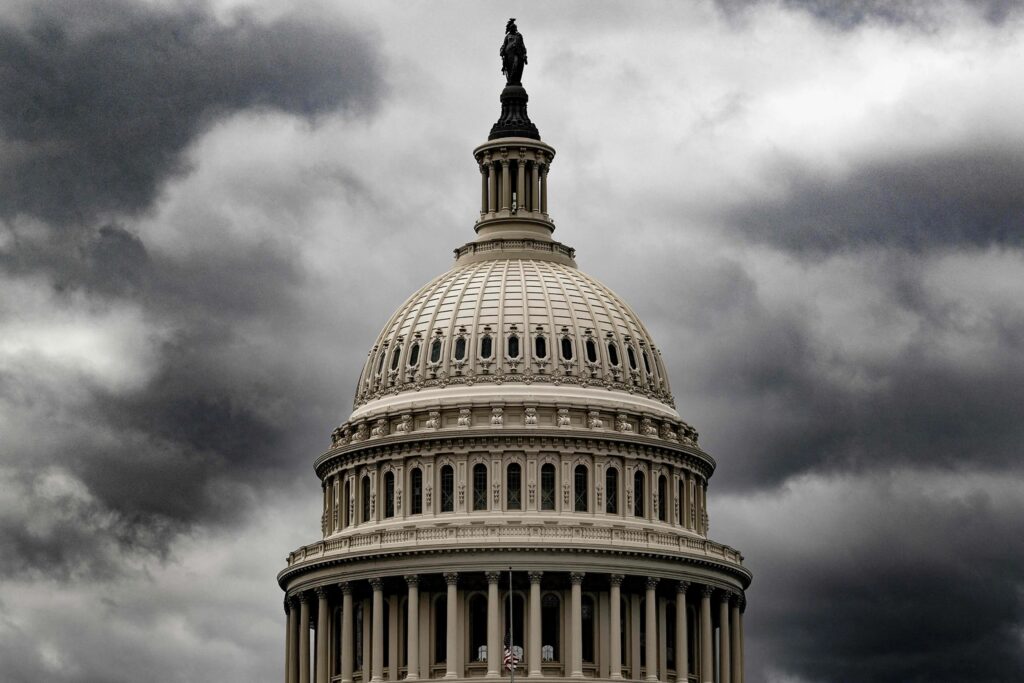
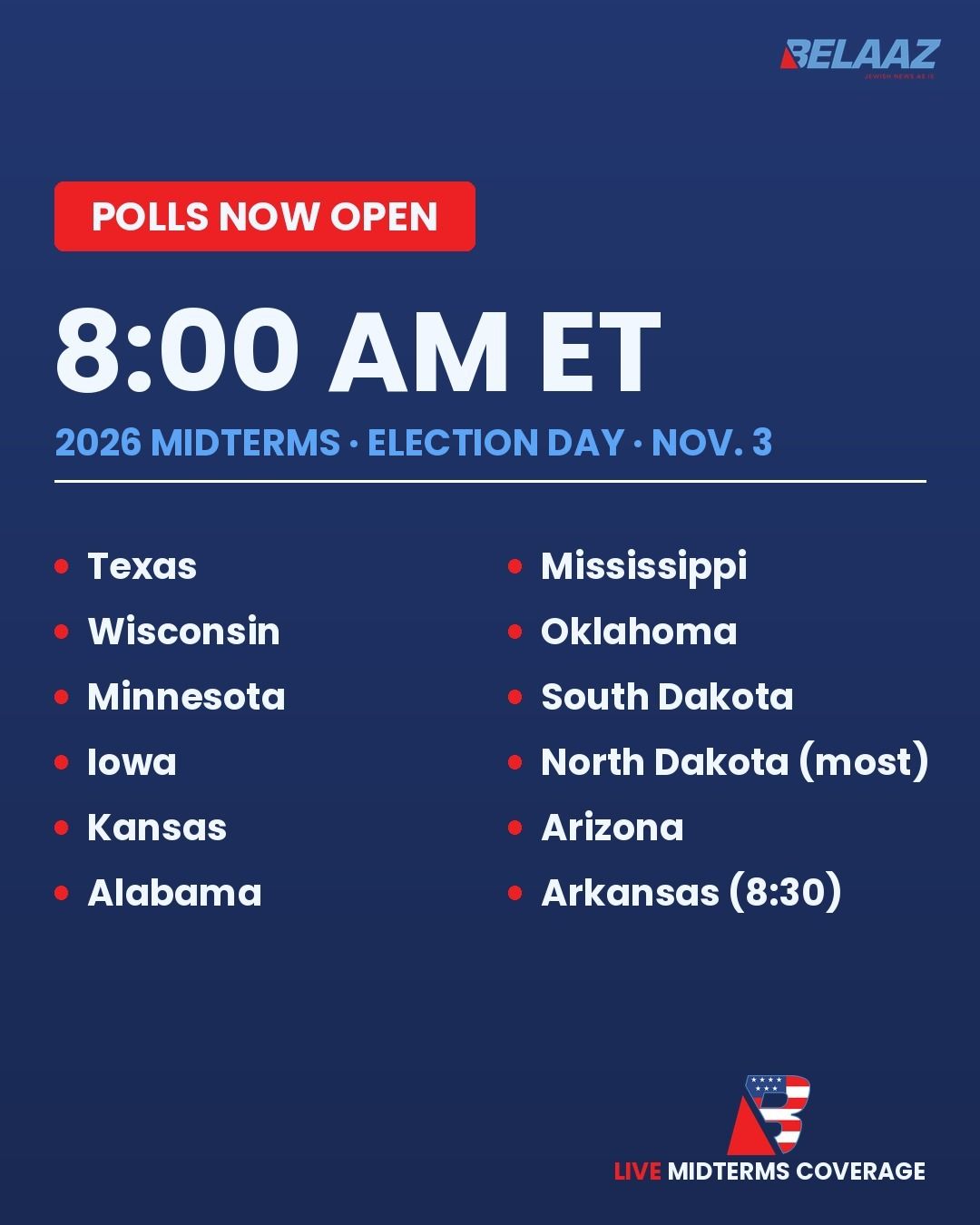
A 50-50 split in the US Senate following Tuesday’s midterm elections could plunge Washington into an unusual battle over control of the chamber, with neither political party guaranteed the powers traditionally held by the majority. Although Vice President JD Vance would retain the authority to break tied votes, Senate rules provide no automatic mechanism for determining which party would control committees, manage legislative business, or hold the majority leader’s position.
The possibility of an evenly divided Senate has raised questions about whether Republicans and Democrats could negotiate a power-sharing arrangement similar to those adopted following the 2000 and 2020 elections. Such an agreement would require cooperation between the parties at a time of deep political divisions.
Unlike a tied vote on legislation, which can be resolved by the vice president, an evenly divided Senate presents a broader institutional problem. The chamber’s 44 standing rules do not establish a procedure for awarding majority status when each party controls 50 seats. Nor does the Constitution automatically grant that designation to the party occupying the White House.
Under Senate procedures, legislation or nominations receiving an equal number of votes ordinarily fail unless the vice president intervenes to break the tie. But deciding which party chairs committees, sets the legislative agenda, and exercises other leadership privileges requires a separate political arrangement.
The Senate has encountered such circumstances before, including periods of deadlock in 1881 and 1954. The most relevant modern examples followed the presidential elections of 2000 and 2020, when closely divided results forced senators to negotiate how the chamber would operate.
Following the 2000 election, the Senate remained evenly divided after Democrat Maria Cantwell narrowly defeated Republican incumbent Slade Gorton in Washington state. The outcome was not finalized until December, leaving both parties facing the prospect of a chamber with 50 senators on each side.
Republican leader Trent Lott of Mississippi and Democratic leader Tom Daschle of South Dakota eventually negotiated an agreement establishing how the Senate would function. With Republican Dick Cheney becoming vice president, Republicans would hold the majority leader’s position, but Democrats received substantial procedural protections.
Under the arrangement, committees included equal numbers of Republicans and Democrats, while both parties received a role in managing legislative business. The agreement also established procedures for handling matters that became deadlocked in committee.
The full Senate approved the arrangement unanimously, reflecting a shared recognition that neither party could effectively conduct business without some accommodation.
Republicans wanted to prevent Democrats from obstructing President George W. Bush’s legislative priorities, while Democrats sought to preserve influence that would otherwise have been lost under conventional majority-party rules.
A similar problem emerged following the 2020 election, when Democrats won both Georgia Senate runoff contests on January 5, 2021. The victories of Jon Ossoff and Raphael Warnock produced another 50-50 Senate, with Vice President Kamala Harris providing Democrats the deciding vote on matters requiring a simple majority.
Negotiations over the chamber’s operating rules followed, with Republican leader Mitch McConnell pressing Democratic leader Chuck Schumer to adopt the framework used two decades earlier. The Senate ultimately approved a power-sharing agreement providing equal committee representation and procedures for resolving committee deadlocks.
A new 50-50 division in 2027 would present President Trump and Vice President Vance with a difficult political calculation. Republicans would possess the advantage of Vance’s tie-breaking authority, but the question of how much influence Democrats should receive over committee operations and Senate business could become a major source of conflict.
Vance’s constitutional position as president of the Senate would allow him to preside over proceedings and cast deciding votes when senators are equally divided. It would not, however, permit him to participate in Senate debates or exercise the legislative powers reserved for elected senators.