Rav Moshe Maya Denies Reports He Supports Coalition Talks With Eisenkot, Slams False Claims Made in His Name

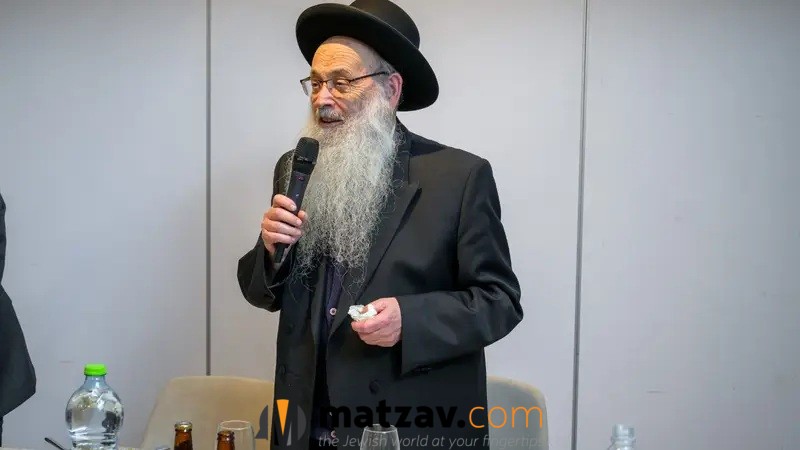
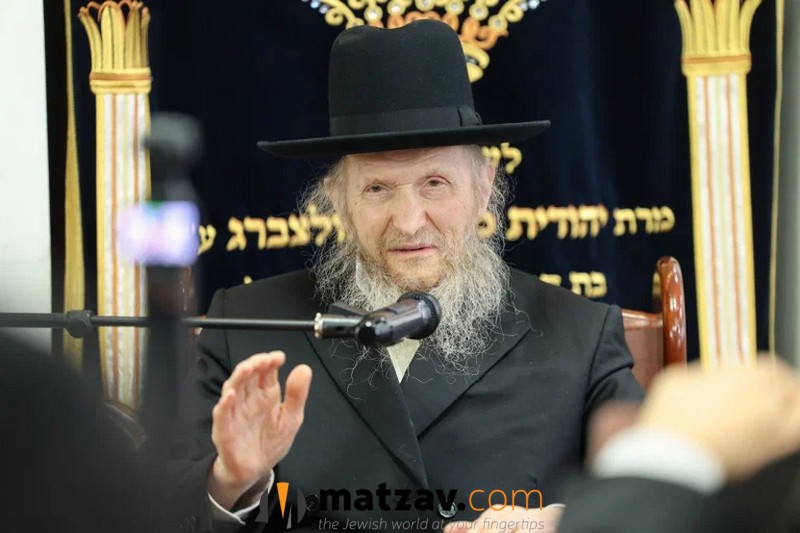
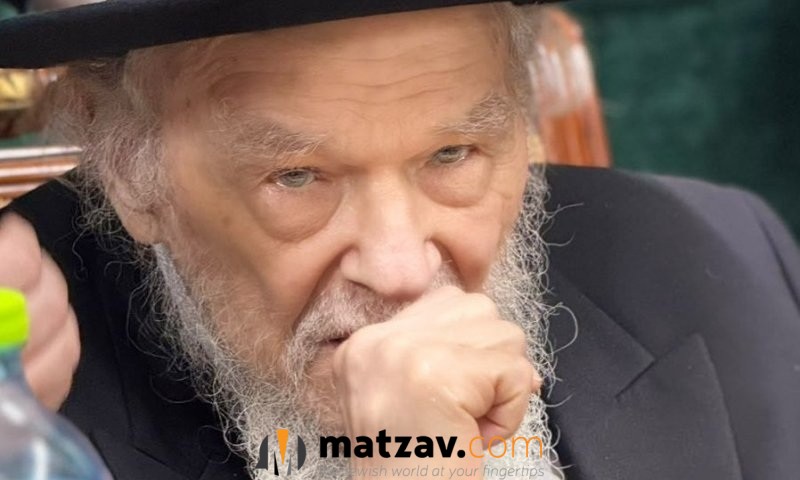
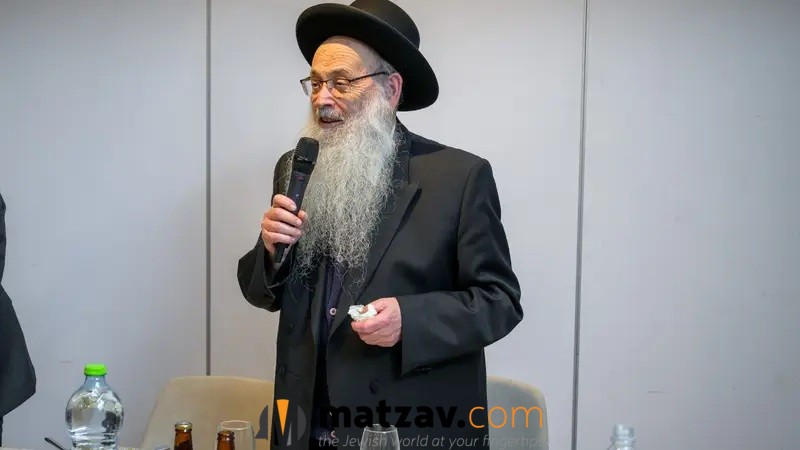
Rav Moshe Maya, the senior member of Shas’s Moetzet Chachmei HaTorah, issued a furious denial Sunday night of reports claiming that he was prepared to support coalition negotiations with Gadi Eisenkot, declaring that he had not spoken to anyone about the formation of Israel’s next government since Tuesday’s elections and accusing those responsible for the reports of fabricating statements in his name.
The sharp denial comes amid growing speculation that Israel’s chareidi parties may reconsider their longstanding alliance with Prime Minister Binyamin Netanyahu following the election results, with United Torah Judaism already signaling that it is not automatically committed to supporting him for another term.
Speaking to members of his family, Rav Maya categorically rejected reports suggesting that he had endorsed opening discussions with Eisenkot, chairman of the Yashar party, or had expressed any position concerning a possible coalition agreement with the opposition bloc.
“Not a single person spoke to me about Gadi Eisenkot. I have not spoken to anyone about the government since the results were announced on Tuesday. They are inventing things in my name and publishing lies. I strongly object to anyone writing things in my name. This is an outright lie. There has never been anything like this, where people fabricate lies in my name,” Rav Maya declared, in remarks translated from Hebrew.
His comments were prompted by reports in certain Israeli media outlets claiming that the senior Shas rabbinic leader had expressed openness to coalition negotiations with Eisenkot.
The reports attributed to Rav Maya the statement, “There is no reason to rule out holding coalition negotiations with Eisenkot.”
That purported position attracted considerable attention because it suggested that a leading member of Shas’s rabbinic leadership was prepared to consider political cooperation with parties outside Netanyahu’s traditional right-wing and religious coalition.
Rav Maya’s response, however, left no ambiguity about his rejection of the statements attributed to him. He insisted that he had neither discussed Eisenkot nor participated in any conversations about the next government since the election results became known.
The controversy erupted as Shas and United Torah Judaism face significant decisions concerning their political future following an election in which Netanyahu failed to secure a clear 61-seat majority.
United Torah Judaism officials have already begun exploring whether cooperation with alternative political blocs could produce a more favorable arrangement regarding the status of yeshiva students and military conscription.
Rav Dov Landau reportedly instructed Degel HaTorah representatives to examine the possibility of discussions with the opposition bloc, while Agudas Yisroel chairman MK Yitzchok Goldknopf declared that his party does not belong to any particular political camp.
Shas, meanwhile, has not publicly announced a comparable change in its political alignment, and its leadership has yet to clarify whether it intends to recommend Netanyahu during the upcoming consultations with President Isaac Herzog.
The party is also dealing with the consequences of its disappointing election performance, with reports suggesting that chairman Aryeh Deri is considering changes within the party’s parliamentary leadership.
At the center of the coalition discussions is the unresolved military draft issue, which has dominated chareidi political negotiations and created considerable friction between the religious parties and Netanyahu’s government.
The inability to secure legislation protecting the status of yeshiva students has prompted some chareidi political figures to question whether their parties should continue supporting Netanyahu without obtaining firm commitments on the issue.