Democrat Rob Sand Wins Governor's Race, Ending Republican Control of Statehouse

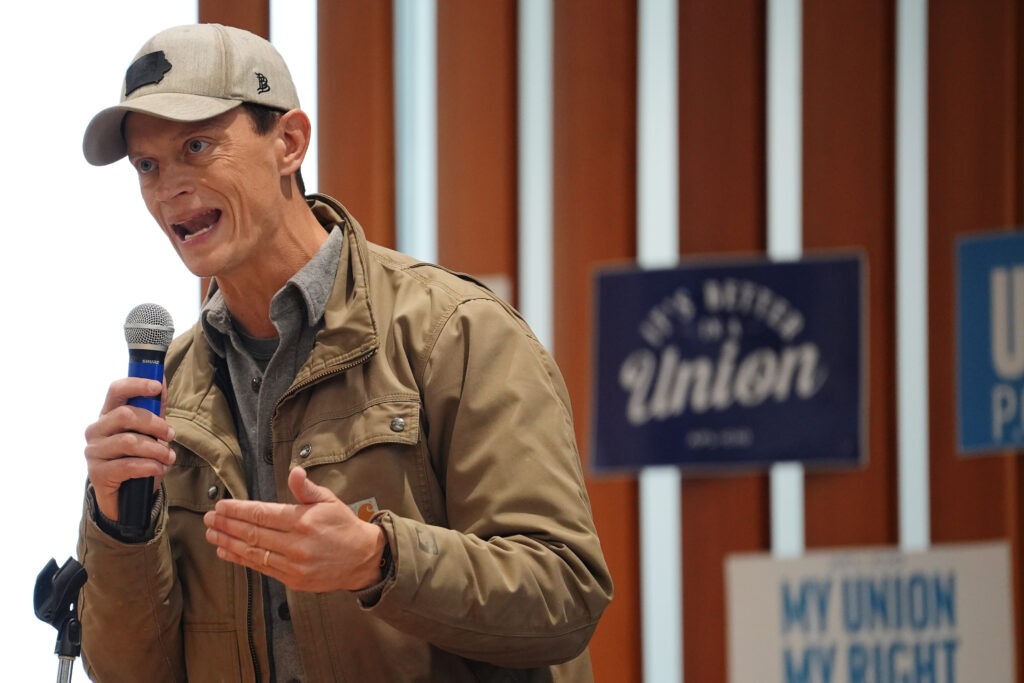
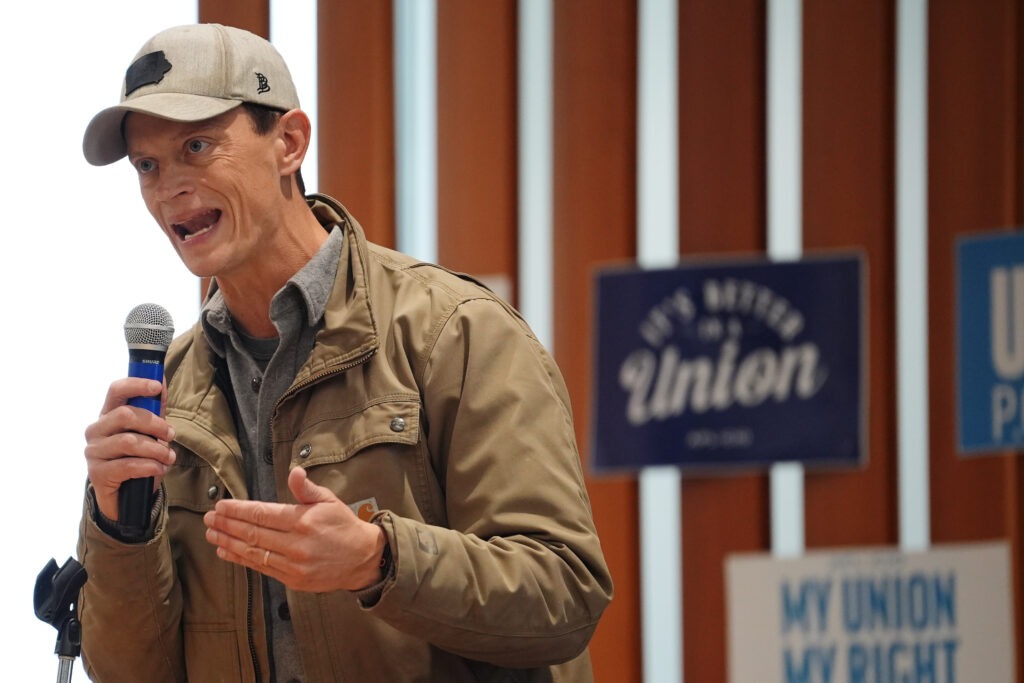
Democrat Rob Sand has emerged victorious in Iowa’s closely watched gubernatorial election, defeating Republican Zach Lahn and delivering another major victory for Democrats in a state that has moved sharply toward the Republican Party in recent years.
Sand, Iowa’s state auditor and the only Democrat currently holding statewide elected office, will succeed Republican Governor Kim Reynolds, who decided not to seek another term. His victory returns the governor’s mansion to Democratic control for the first time since Terry Branstad defeated Democratic Governor Chet Culver in 2010.
The outcome represents a significant political reversal in Iowa, where Republicans have consolidated their control of state government and President Donald Trump won by a comfortable margin in the 2024 presidential election.
Sand’s victory also comes on a remarkable election night for Iowa Democrats, with state Representative Josh Turek projected to defeat Republican Congresswoman Ashley Hinson in the race for the state’s open U.S. Senate seat.
Together, the two results represent a substantial setback for Republicans in a state that had increasingly appeared to be moving beyond the reach of Democratic candidates in statewide elections.
Sand, who has served as Iowa’s auditor since 2019, built his campaign around government accountability, fiscal responsibility, and a pledge to move beyond the partisan divisions that have dominated state politics.
A former prosecutor, Sand cultivated a reputation for investigating government spending and identifying waste and misconduct. He frequently emphasized his small-town upbringing and sought to appeal to voters who had supported Republicans in recent elections.
His campaign focused on rising living expenses, declining access to healthcare in rural communities, concerns about water quality, and Iowa’s worsening budget outlook.
Sand also criticized the state’s political leadership over policies he argued had failed to address the needs of ordinary families, while promising a more independent approach to governing.
His Republican opponent, Zach Lahn, a businessman and farmer, entered the general election after pulling off a surprising victory in the Republican primary.
Lahn defeated Congressman Randy Feenstra, who had received President Trump’s endorsement, by a narrow margin in a crowded primary field.
The result was an early indication of divisions within Iowa’s Republican electorate, with Lahn attracting support from grassroots conservatives and voters associated with the Make America Healthy Again movement.
Lahn campaigned on reducing government regulation, encouraging economic development, and changing the direction of state government, despite Republicans having controlled the governor’s office for more than a decade.
The two candidates offered sharply different approaches to the state’s challenges, particularly concerning education, healthcare, agricultural policy, and government spending.
Sand benefited from his existing statewide recognition and his history of outperforming other Democratic candidates in rural and politically conservative areas.
In his 2022 reelection campaign for state auditor, Sand won by fewer than 3,000 votes, demonstrating his ability to attract support beyond the Democratic Party’s traditional base even as Republicans won other statewide races.
His gubernatorial campaign sought to build on that coalition by emphasizing practical concerns rather than national political disputes.
The contest became increasingly competitive during the closing weeks of the campaign, with several public opinion surveys showing Sand ahead of Lahn.
Iowa’s gubernatorial election attracted national attention because of its implications for the broader political environment confronting Republicans during President Trump’s second term.
Although Iowa was once regarded as a presidential battleground, Republicans have won the state in three consecutive presidential elections, and Democrats have struggled to regain their former strength.
Sand’s victory now raises questions about whether economic dissatisfaction and concerns over state government policies are creating new opportunities for Democrats in traditionally Republican territory.
Nevertheless, the governor-elect will face substantial challenges in advancing his agenda, as Republicans retain considerable influence in Iowa’s Legislature.