Trump-Backed Byron Donalds Defeats Democrat David Jolly, Makes History as Florida's First Black Governor

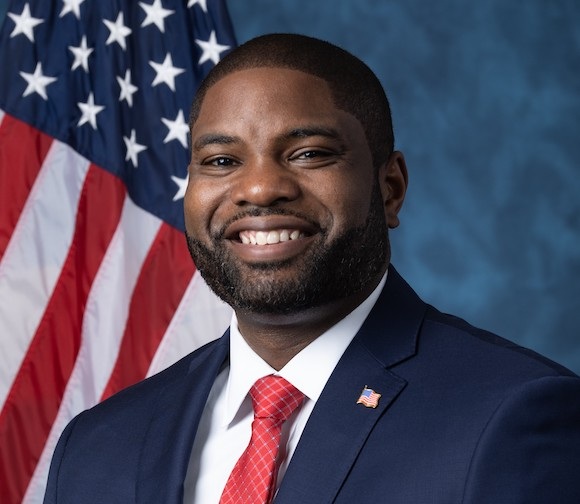
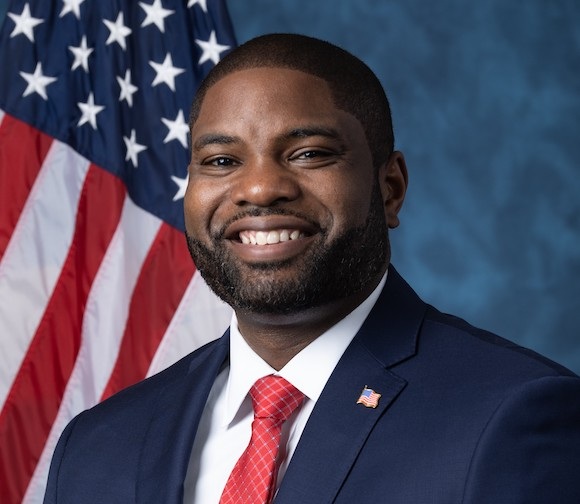
Republican Congressman Byron Donalds has won Florida’s gubernatorial election, defeating former Congressman David Jolly and securing another four years of Republican control in one of the nation’s most politically influential states. The victory makes Donalds the first Black governor in Florida history and delivers an important political win for President Donald Trump, who strongly backed his candidacy.
ABC News projected Donalds the winner Tuesday evening, bringing an end to a closely watched contest to succeed Republican Gov. Ron DeSantis, who was barred by term limits from seeking another consecutive term.
Donalds, 48, a three-term congressman from southwest Florida and one of Trump’s most prominent supporters in Washington, will take office in January 2027. His election continues Republican control of the Florida governor’s mansion, which the party has held since 1999.
The race pitted two former Republican allies against each other on opposite sides of the political divide. Donalds emerged as a leading conservative voice in Congress and a staunch defender of Trump, while Jolly, 54, a former Republican congressman from the Tampa Bay area, abandoned the GOP after becoming increasingly critical of the president and eventually joined the Democratic Party in 2025.
Trump endorsed Donalds early in the campaign, helping him establish himself as the Republican frontrunner despite competition from several other candidates, including Florida Lt. Gov. Jay Collins. Donalds secured the Republican nomination in August and entered the general election with a substantial fundraising advantage.
Throughout the campaign, Donalds promised to continue many of the conservative policies advanced by DeSantis while introducing his own priorities, particularly reducing property insurance costs, expanding school choice, cutting taxes, and making Florida more affordable for working families.
Florida’s soaring property insurance premiums emerged as one of the central issues in the race. Homeowners across the state have faced steep increases in insurance expenses, adding to concerns about housing affordability and the rising cost of living.
Donalds pledged to build upon insurance reforms introduced during the DeSantis administration, arguing that encouraging greater competition among private insurers would eventually reduce premiums.
Jolly challenged that approach, contending that the existing system had failed to provide meaningful relief. He proposed expanding the state’s catastrophe insurance fund and taking additional steps to protect homeowners from rising costs.
The candidates also clashed over immigration, education, environmental policy, and the growing construction of large data centers to support artificial intelligence technology.
Jolly sought to portray Donalds as too closely aligned with corporate interests, particularly companies involved in the rapidly expanding artificial intelligence industry. Donalds maintained that decisions about data center construction should largely remain with local governments while supporting measures to prevent utilities from passing certain costs on to residential customers.
The election also became a test of Trump’s political influence in his adopted home state. Florida, once considered one of America’s most competitive presidential battlegrounds, has shifted sharply toward Republicans over the past decade.
Trump carried Florida in the 2016, 2020, and 2024 presidential elections, while DeSantis won reelection in 2022 by nearly 20 percentage points, defeating Democrat Charlie Crist by approximately 1.5 million votes.
Despite those Republican successes, Democrats hoped Jolly’s background as a former Republican congressman would allow him to appeal to moderate voters and independents who had become dissatisfied with Trump.
Jolly emphasized his departure from the Republican Party and argued that Florida needed a governor willing to challenge both political parties. His campaign sought to attract voters concerned about affordability, government accountability, and the direction of state politics.
Donalds countered that Florida’s economic growth and population expansion demonstrated the success of Republican leadership. He argued that Democratic policies would reverse the state’s progress and increase the financial burden on residents.