Democrats Projected to Seize Control of Congress’s Lower Chamber, Dealing Major Blow to Trump’s Agenda

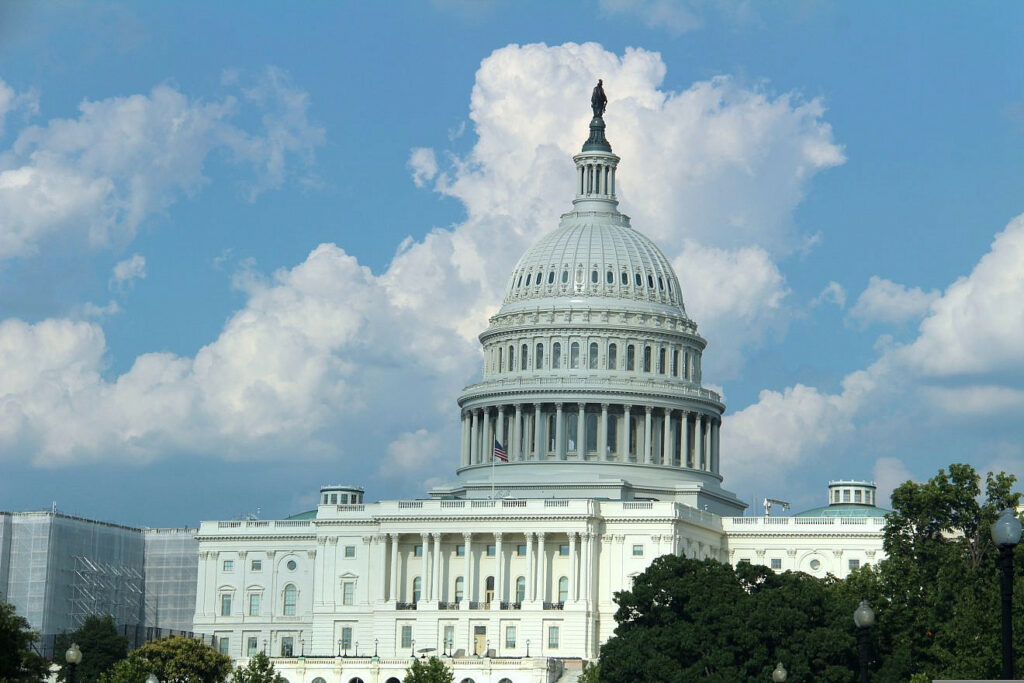
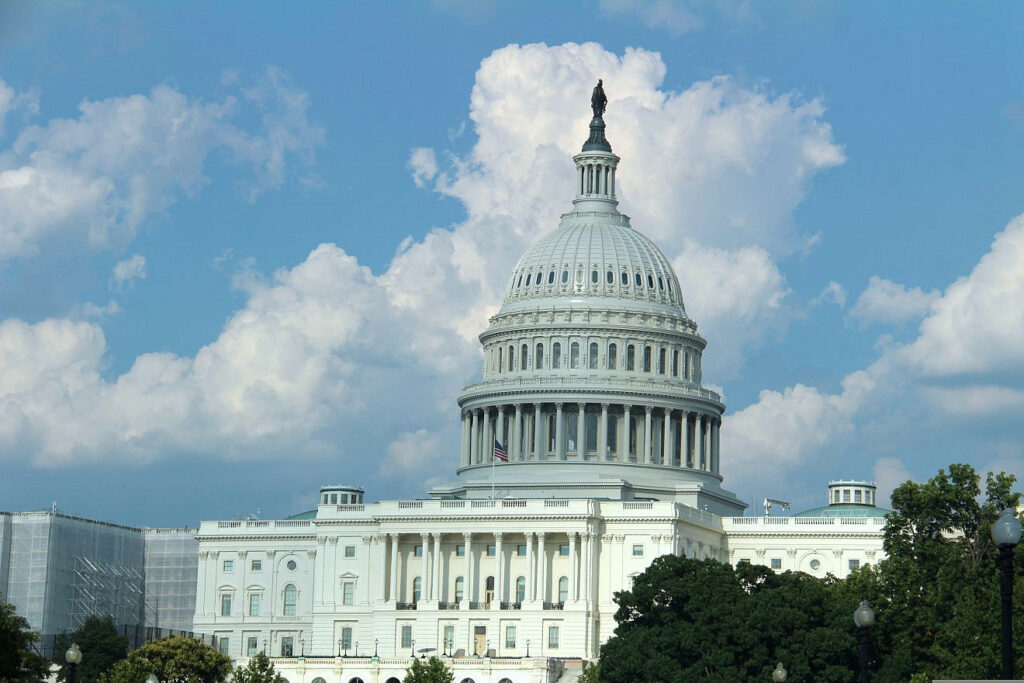
Democrats are projected to win control of the U.S. House of Representatives in Tuesday’s midterm elections, ending two years of Republican dominance in the chamber and delivering a major political setback to President Donald Trump as he enters the second half of his presidency.
Decision Desk HQ has been cited as projecting a Democratic takeover, although the final composition of the House remains unsettled as votes continue to be counted across the country. The Associated Press has not independently declared control of the chamber, and several closely contested congressional races could take additional time to resolve.
The projected Democratic victory would fundamentally alter the balance of power in Washington, where Republicans have controlled the White House, Senate, and House since Trump’s return to office in January 2025.
With Democrats taking the House majority, Republicans would lose their ability to advance legislation through Congress without negotiating with the opposition party. Democratic lawmakers would also gain control of powerful congressional committees, allowing them to launch investigations into the Trump administration, summon administration officials for hearings, and issue subpoenas for documents and testimony.
House Minority Leader Hakeem Jeffries of New York would be positioned to become the next speaker of the House, replacing Republican Mike Johnson of Louisiana. If elected by his colleagues, Jeffries would become the first Black speaker in American history.
The anticipated Democratic takeover comes after an election campaign dominated by concerns about the economy, rising living expenses, immigration, and dissatisfaction with the direction of the country.
Republicans entered Election Day defending an exceptionally narrow House majority, leaving them vulnerable to losing control even with relatively modest Democratic gains.
All 435 House seats were on the ballot Tuesday, with Democrats needing to reach 218 seats to secure a majority.
Heading into the election, independent political analysts had forecast significant Democratic gains. The nonpartisan Cook Political Report predicted that Democrats could capture between 15 and 25 Republican-held seats, potentially giving the party a considerably larger majority than the minimum required to control the chamber.
The results would represent a reversal of the political landscape established by Trump’s 2024 presidential victory, when Republicans secured unified control of Washington and began pursuing the president’s legislative priorities.
Since returning to the White House, Trump has relied heavily on congressional Republicans to advance his economic, immigration, and spending policies. Republican control of both chambers has allowed the administration to move major legislation through Congress while limiting the ability of Democrats to block its agenda.
A Democratic House would change that dynamic immediately when the new Congress convenes in January.
Although Trump would retain his presidential powers, his administration would face substantially greater difficulty securing approval for new legislation, particularly on taxes, federal spending, and immigration enforcement.
Democratic leaders have already indicated that they intend to use a House majority to conduct aggressive oversight of the administration.
Potential investigations could examine the president’s business interests, federal immigration operations, government spending, and decisions made by senior administration officials.
The new majority would also control the House’s legislative agenda, giving Democrats the ability to block Republican proposals before they reach the Senate.
However, Democrats would still face significant obstacles to implementing their own agenda. Legislation generally requires approval from both chambers of Congress and the president’s signature, meaning a Democratic House alone would not be sufficient to enact sweeping policy changes over Republican opposition.
The election also carries implications for federal budget negotiations and government funding. With control of the House, Democrats would gain considerable leverage in negotiations over spending bills, raising the possibility of more contentious confrontations with the White House.
Republicans had spent the final weeks of the campaign warning voters that Democratic control of Congress would obstruct Trump’s policies and empower progressive lawmakers.