Republican Ashley Moody Wins Florida Senate Race, Keeping Marco Rubio’s Former Seat in Republican Hands

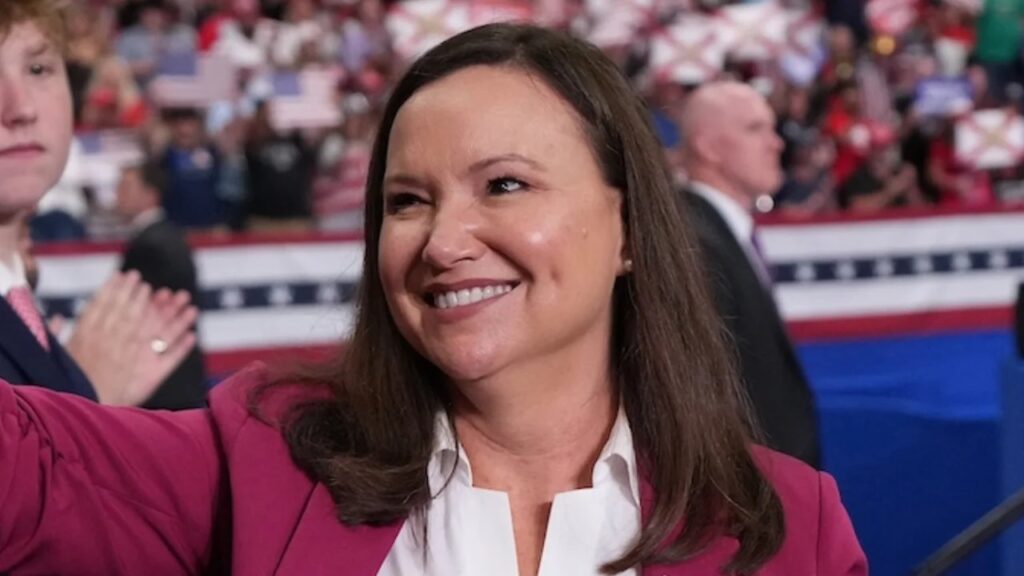
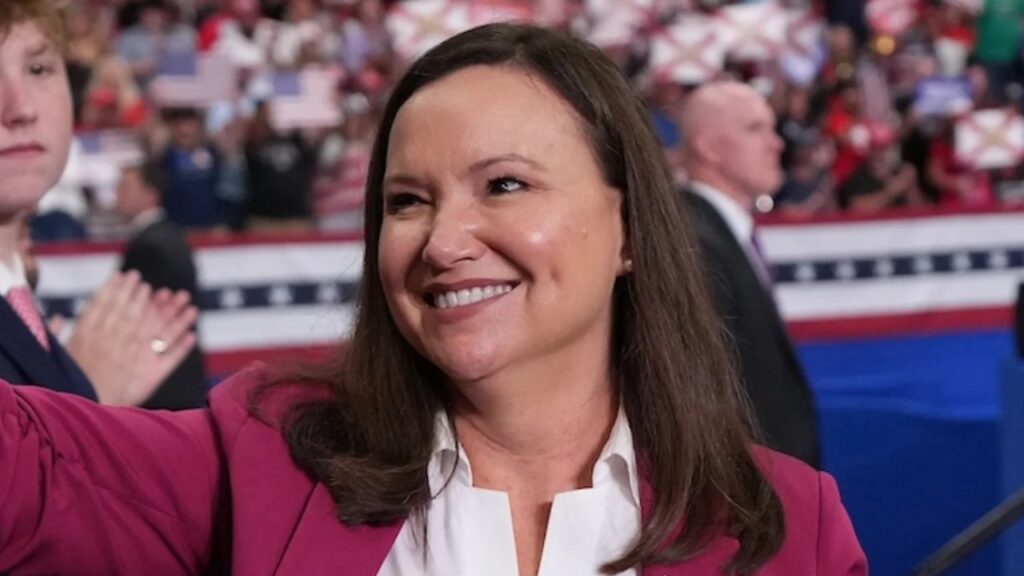
Republican Sen. Ashley Moody has won Florida’s U.S. Senate election, defeating Democrat Alexander Vindman and securing the seat previously held by Secretary of State Marco Rubio, delivering another important victory for Republicans as they battle to maintain control of the Senate.
Moody, Florida’s former attorney general, was appointed to the Senate in January 2025 by Gov. Ron DeSantis after Rubio resigned to become secretary of state in President Donald Trump’s administration. Tuesday’s victory gives Moody her first electoral mandate as a U.S. senator and allows her to complete the remainder of Rubio’s term, which runs through January 2029.
The election was closely watched because of its implications for the balance of power in Washington, although Florida’s increasingly Republican political landscape made Moody the favorite heading into Election Day.
Moody, 51, entered the contest with considerable statewide name recognition, having served as Florida’s attorney general from 2019 until her appointment to the Senate. She previously worked as a federal prosecutor and served as a circuit court judge in Hillsborough County.
During her tenure as attorney general, Moody became one of Florida’s most prominent Republican officials, frequently joining legal challenges against policies pursued by the Biden administration and supporting DeSantis’ conservative agenda.
She also emerged as an outspoken supporter of Trump, particularly on immigration enforcement, border security, and federal law enforcement policy.
Throughout the Senate campaign, Moody emphasized her support for the president’s economic and immigration policies, arguing that Republican leadership was essential to protecting Florida families and maintaining the state’s economic growth.
Her Democratic opponent, Alexander Vindman, gained national attention in 2019 when he testified during Trump’s first impeachment proceedings. A retired Army lieutenant colonel and former National Security Council official, Vindman became a prominent critic of Trump and later entered politics as a Democratic candidate.
Vindman sought to portray Moody as closely aligned with the president, arguing that Florida needed a senator willing to exercise independent judgment rather than support the administration’s policies without question.
The candidates differed sharply on immigration, federal spending, healthcare, and the administration’s approach to international affairs.
Moody defended Trump’s immigration enforcement measures and emphasized the importance of securing the southern border, while Vindman criticized what he characterized as excessive executive power and threats to democratic institutions.
Economic concerns also played a significant role in the race, with both candidates addressing the rising costs of housing, property insurance, groceries, and other necessities.
Moody argued that Republican tax policies and efforts to reduce federal regulation would help strengthen the economy, while Vindman contended that the administration’s economic decisions were contributing to financial pressure on working families.
The contest unfolded as Florida continued its transformation from a closely divided political battleground into a state increasingly dominated by Republicans.
Trump carried Florida in the 2016, 2020, and 2024 presidential elections, while DeSantis won reelection as governor in 2022 by nearly 20 percentage points.
Republicans have also expanded their advantage in voter registration, reversing the Democratic Party’s longstanding registration lead in the state.
Those political changes created a difficult environment for Vindman, despite his national profile and efforts to attract moderate and independent voters.
Moody benefited from the Republican Party’s strong statewide organization and the advantages of incumbency, including her established relationships with Florida political leaders and conservative activists.
Her victory comes as Republicans seek to defend their Senate majority against Democratic challenges in several competitive states.
Republicans entered Tuesday’s elections holding 53 Senate seats, compared with 47 held by Democrats and independents who caucus with them.
Although Moody’s victory does not represent a Republican pickup, it prevents Democrats from making gains in Florida and preserves a seat considered important to the party’s broader Senate strategy.