Iran Celebrates Republican Election Losses, Warns Trump Administration of a “Nightmare” if War Continues

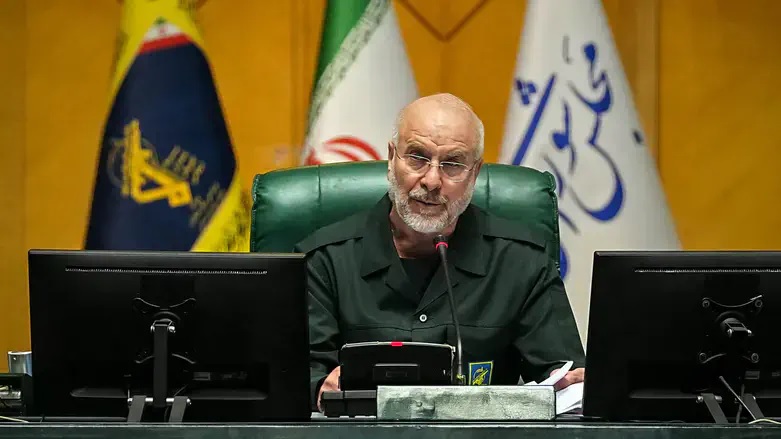
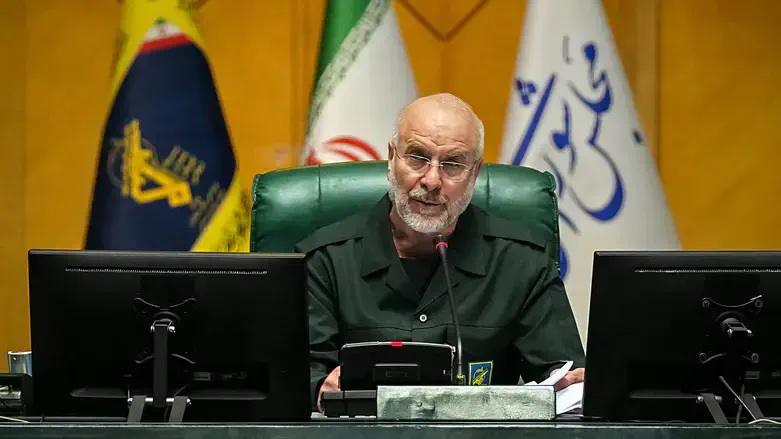
Iran’s parliamentary speaker, Mohammad Bagher Ghalibaf, has seized on the results of Tuesday’s U.S. midterm elections to issue a warning to President Donald Trump’s administration, claiming that American voters have rejected the war with Iran and threatening severe consequences if Washington continues its military campaign.
In a statement issued following the elections, Ghalibaf portrayed the Republican Party’s electoral setbacks as evidence of growing American opposition to the conflict, arguing that the administration must heed the message delivered at the ballot box.
“Whether out of conscience or because of the cost of living, Americans said no to war, and we support that message,” Ghalibaf declared.
The Iranian official then escalated his rhetoric, warning that the United States would face consequences if the administration disregarded what he characterized as the will of American voters.
“If the American administration betrays the will of its own people to serve international moneyed interests and extortionists, it will learn that our ‘no’ comes with a nightmare,” he warned.
The remarks represent an attempt by Tehran to capitalize on domestic political divisions in the United States following the midterm elections, framing Republican losses as a public rejection of the administration’s military and foreign policy toward Iran.
Ghalibaf’s interpretation of the election results is a political claim rather than an established conclusion about voter intentions. Economic concerns, dissatisfaction with the administration, and other domestic issues also figured prominently in the campaign.
Nevertheless, Iranian officials appear eager to use the election outcome to strengthen their position in the continuing confrontation with Washington.
The latest threat follows similarly aggressive remarks delivered by Ghalibaf a day earlier during an address to Iran’s parliament in Tehran.
Ghalibaf, who has also been involved in Iran’s negotiating efforts with the United States, said that Tehran had delivered a firm but measured response to Washington and warned that Iranian forces remained on heightened alert.
He cautioned that another American strategic miscalculation could trigger a military confrontation extending beyond the geographic boundaries of previous fighting.
His comments come amid continuing uncertainty over the future of the conflict and the prospects for a diplomatic settlement.
Despite the hostile public rhetoric, indirect contacts between Washington and Tehran have reportedly continued through regional intermediaries, including Qatar.
The discussions have involved several longstanding points of contention, including American sanctions against Iran, the possible release of frozen Iranian assets, and arrangements governing maritime traffic through the Strait of Hormuz.
The strategic waterway remains a particularly sensitive issue because of its importance to international energy shipments and the broader security situation in the Persian Gulf.
Reports indicate that the two governments remain far apart on major questions, notwithstanding efforts by regional mediators to explore the possibility of renewed negotiations.
The Iranian warning comes against a backdrop of growing American dissatisfaction with the costs of the war.
A Reuters/Ipsos survey conducted immediately before the midterm elections found that 55 percent of respondents believed U.S. military action against Iran had not been worth its cost, compared with 25 percent who believed it had been justified.
The economic consequences of the conflict have been particularly significant, with higher fuel prices contributing to financial pressures on American households.
Those findings provide some support for Ghalibaf’s argument that public frustration with the war has become a political liability for the Trump administration. However, they do not establish that opposition to the war was the decisive factor in Tuesday’s election results.
Trump has defended his administration’s military actions against Iran as necessary to prevent Tehran from developing nuclear weapons and to protect American security interests.
The president has also acknowledged that the conflict may have contributed to Republican electoral difficulties, while maintaining that confronting Iran was more important than the immediate political consequences.