Joint List to Back Eisenkot for Prime Minister, Seeks Key Knesset Posts and Freeze on Demolitions

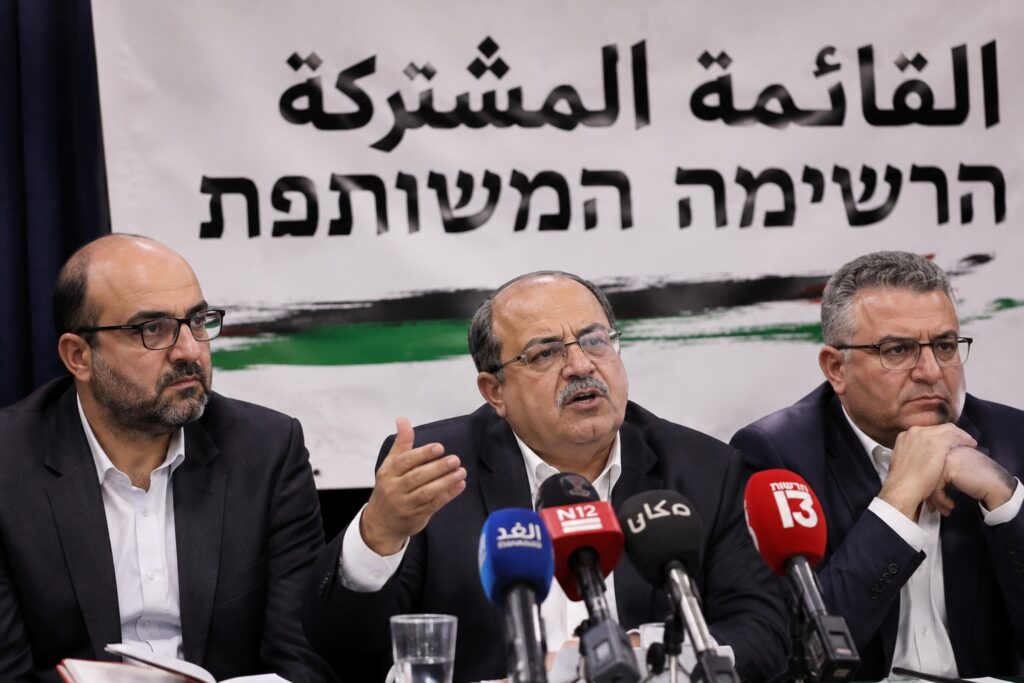
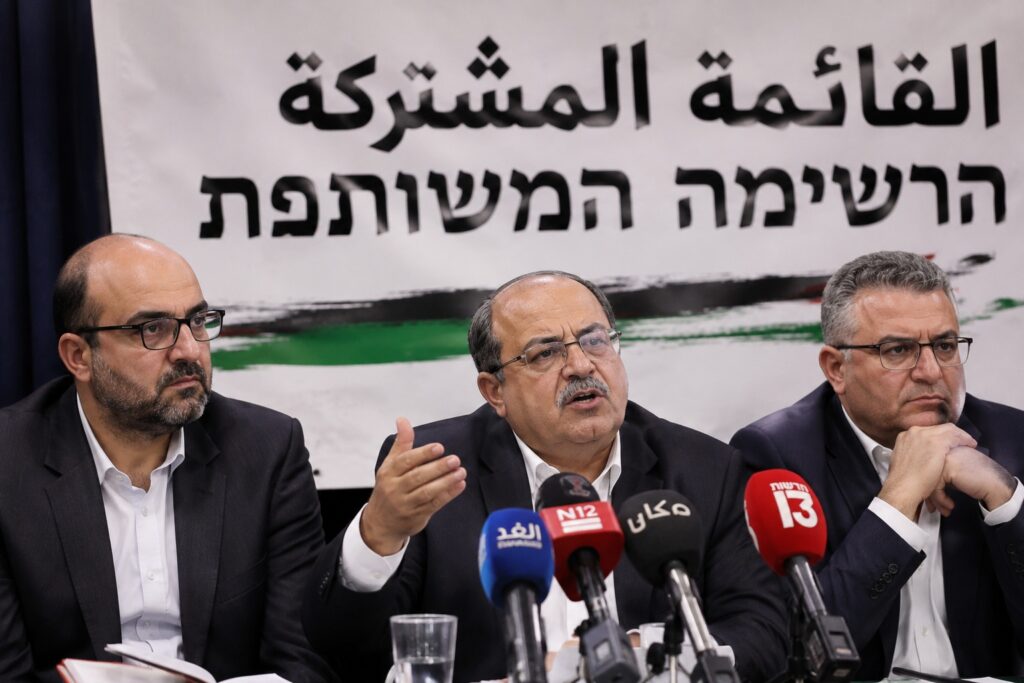
Israel’s Arab Joint List is expected to recommend Gadi Eisenkot, chairman of the Yashar party, to President Isaac Herzog on Thursday as its preferred candidate to form the next government, while simultaneously presenting a series of demands in exchange for supporting efforts to replace Knesset Speaker Amir Ohana.
According to a report Wednesday evening by Kan 11 News, the Joint List is preparing to endorse Eisenkot without attaching any preliminary conditions to its recommendation for prime minister. However, the party intends to demand significant parliamentary positions and policy commitments before agreeing to support the anti-Netanyahu bloc’s effort to install a new Knesset speaker.
The expected endorsement comes after the Ra’am party announced its support for Eisenkot, strengthening his position in the competition to secure the largest number of recommendations during President Herzog’s consultations with the newly elected Knesset factions.
Joint List representatives are scheduled to meet with Herzog on Thursday at 4:45 p.m. Israeli time. The party is expected to hold a final internal meeting Thursday morning before formally announcing its decision.
While the Joint List is reportedly prepared to recommend Eisenkot without conditions, its support for replacing Ohana would come at a substantial political price.
Among its central demands is the chairmanship of one of three influential Knesset committees: the Finance Committee, the Constitution, Law and Justice Committee, or the Education Committee.
The Joint List is also seeking three seats on the Knesset Finance Committee, which plays a central role in overseeing government spending, budget legislation, and financial policy.
In addition, the party wants the establishment of a special parliamentary committee dedicated to advancing the interests of Israel’s Arab population, with the committee to be chaired by a representative of the Joint List.
The party’s demands extend beyond parliamentary appointments to several major policy initiatives.
According to the report, the Joint List is seeking approval of a new five-year government development plan for Arab communities, including a comprehensive program to address crime and violence.
The party is also demanding temporary legislation that would freeze the demolition of buildings, an issue that has long generated disputes between Arab political representatives and Israeli authorities over construction enforcement and unauthorized building.
The demands could complicate efforts by the anti-Netanyahu bloc to coordinate its parliamentary strategy, particularly as its leaders are already struggling to agree on who should replace Ohana as speaker.
The Joint List’s potential role in the effort became more apparent Tuesday, when Democrats chairman Yair Golan met with senior Joint List figures Yousef Jabareen and Ahmad Tibi.
The meeting was considered unusual because it marked the first reported direct meeting between a senior representative of the anti-Netanyahu bloc and leaders of the Arab faction during the current post-election negotiations.
During the discussions, Joint List representatives reportedly signaled their willingness to support the effort to replace Ohana, provided their demands are addressed.
Golan has emerged as the principal channel of communication between the anti-Netanyahu parties and the Arab factions, as the bloc attempts to coordinate parliamentary moves without creating additional internal disagreements.
The arrangement is particularly sensitive because leaders of the anti-Netanyahu bloc have agreed, at least for now, to avoid direct negotiations with Balad, one of the three parties comprising the Joint List.
Balad is expected to hold three seats in the next Knesset, making its participation an important factor in the broader political calculations.
The decision to maintain indirect contacts reflects the political difficulties facing the bloc as it seeks support from Arab lawmakers while attempting to preserve unity among parties with differing positions on cooperation with those factions.
The struggle over the Knesset speakership has become one of the first major tests of the emerging parliamentary balance following last week’s election.