Five Judges Elected to UN Court, Including Jurists Who Previously Took Positions Against Israel

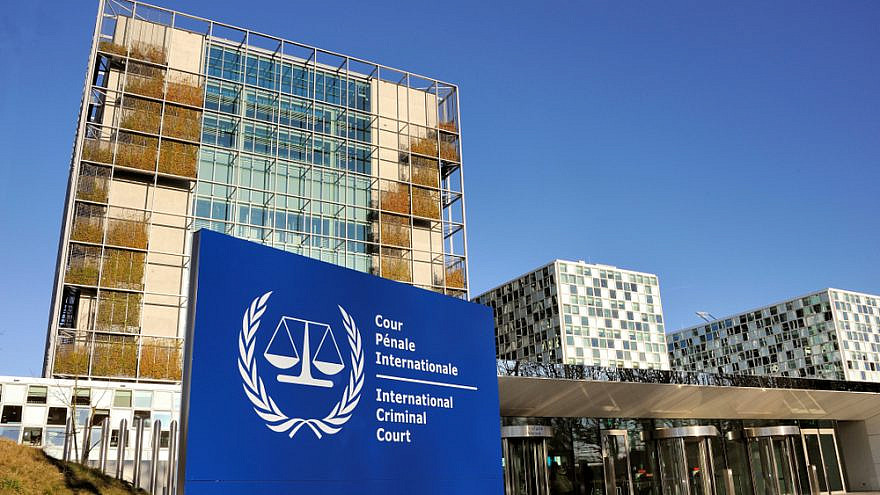
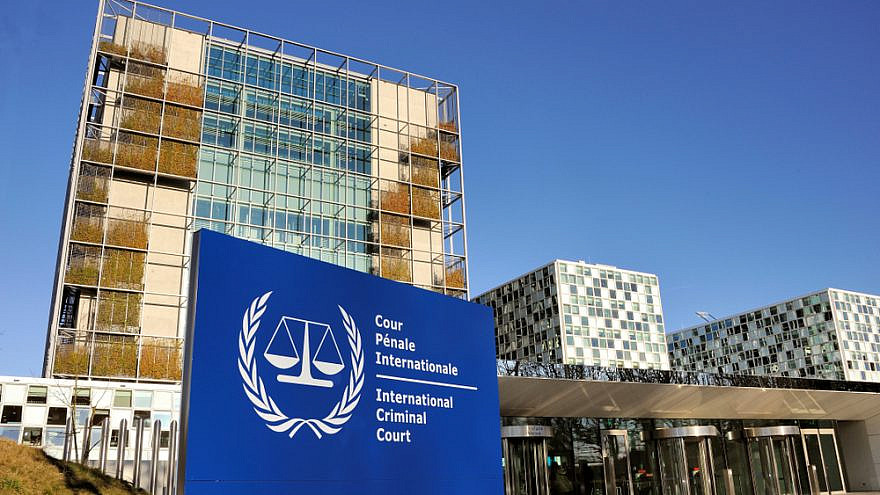
The United Nations General Assembly and Security Council elected five judges Wednesday to serve on the International Court of Justice in The Hague, prompting sharp criticism from Israel over the backgrounds of several of the incoming and returning jurists, including individuals who previously participated in legal proceedings against the Jewish state.
The five judges were elected to terms beginning in 2027 and continuing through 2036. Their appointments come at a particularly sensitive time for Israel, as the court continues to consider South Africa’s case accusing Israel of violating the Genocide Convention during its war against Hamas in Gaza.
Israeli officials expressed concern that several of the judges have previously taken legal or political positions critical of Israel, raising questions about their ability to approach pending cases with impartiality.
Among the most controversial selections is Mahmoud Daifallah Hmoud of Jordan, who has served on the court since May 2025 and was elected to a new term.
Hmoud previously served as Jordan’s ambassador to the United Nations and as legal adviser to the Jordanian Foreign Ministry. During his diplomatic and legal career, he played a prominent role in Jordan’s participation in international proceedings concerning Israel.
He was involved in the 2004 proceedings before the International Court of Justice concerning Israel’s security barrier and in the legal proceedings that culminated in the court’s 2024 advisory opinion addressing Israel’s presence in Yehuda and Shomron and eastern Yerushalayim.
Hmoud also attracted criticism in Israel for remarks he made at the United Nations Security Council in late October 2023, just weeks after Hamas terrorists carried out the October 7 massacre.
During those discussions, he accused Israel of committing “war crimes” and “ethnic cleansing,” statements that Israeli officials now cite as evidence of his previously expressed positions concerning the Jewish state.
Two other judges elected Wednesday have also participated in international legal proceedings involving Israel.
Professor Dapo Akande of the United Kingdom, a prominent international law scholar at Oxford University, previously provided legal advice to Japan in connection with proceedings concerning the legal consequences of Israel’s policies in Yehuda and Shomron.
Professor Phoebe N. Okowa of Kenya, a professor at Queen Mary University of London who has served on the International Court of Justice since November 2025, advised Namibia in proceedings related to the same 2024 advisory opinion.
Both Akande and Okowa have extensive backgrounds in international law and have served on the United Nations International Law Commission, an expert body responsible for promoting the development and codification of international law.
Their previous involvement in legal proceedings concerning Israel has nevertheless generated concern among Israeli officials, who question whether those roles could create difficulties when the court considers future cases involving the Jewish state.
The remaining two judges elected Wednesday are François Alabrune of France and Rena Lee of Singapore.
Alabrune is a French diplomat and international legal expert with experience in major cases involving allegations of genocide, including proceedings brought by Ukraine against Russia and by The Gambia against Myanmar.
Lee is a Singaporean legal expert specializing in international negotiations and the law of the sea. She has held senior positions within Singapore’s legal and diplomatic establishment and has extensive experience in international legal matters.
Israel’s ambassador to the United Nations, Danny Danon, strongly criticized the election results, arguing that the professional backgrounds of some of the judges raise serious questions about judicial independence.
Danon said their previous activities were “troubling and raise questions,” particularly given the sensitive nature of the proceedings currently pending before the court.
He questioned how Israel could expect an impartial hearing from a judge who accused the country of grave international crimes only weeks after the October 7 massacre, or from a judge who had previously served as a legal adviser in proceedings challenging Israeli policies.