Elon Musk Jokes About Republican Election Disaster After Democrats Sweep Congress

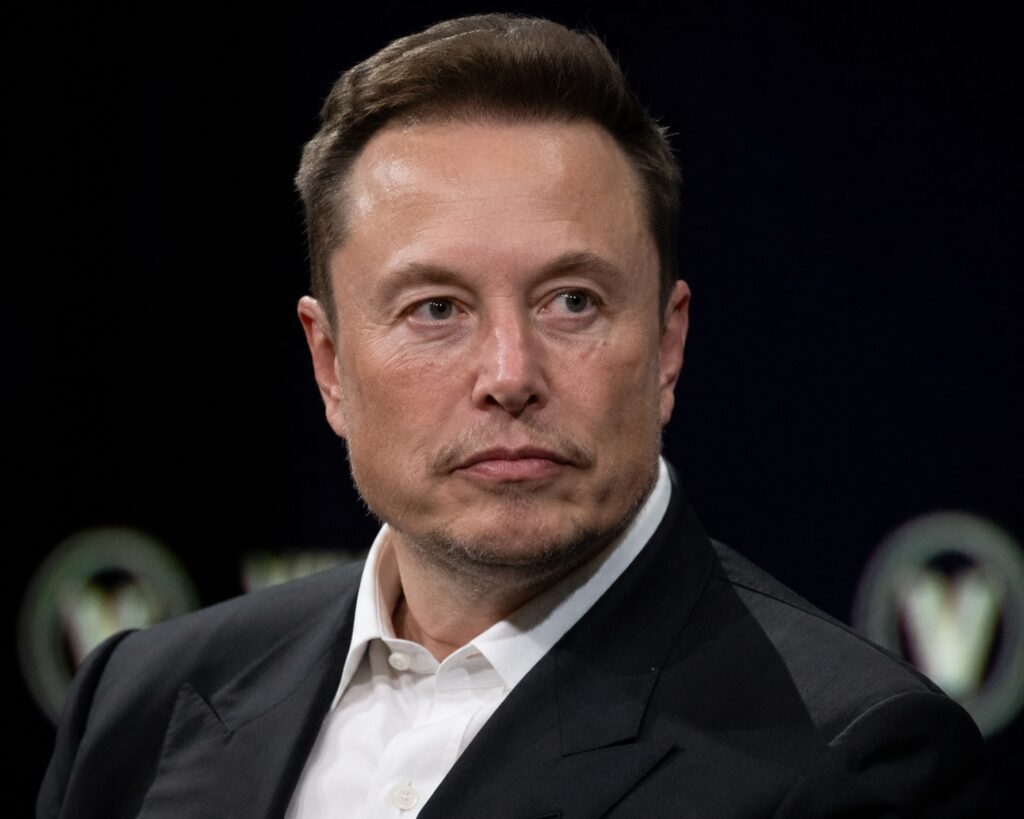
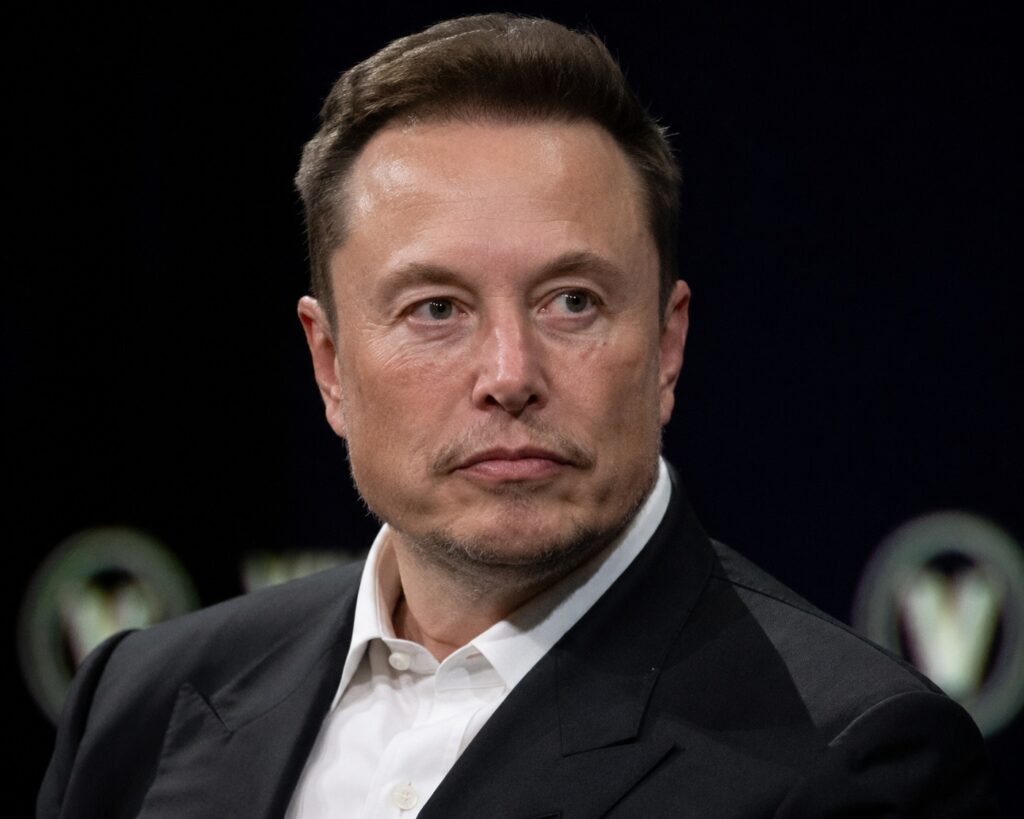
Billionaire Elon Musk responded with humor Wednesday to the Republican Party’s crushing midterm election losses, despite having poured nearly $500 million into efforts to help GOP candidates retain control of Congress and win key races across the country.
Democrats captured both the House of Representatives and the Senate in Tuesday’s elections, dealing President Donald Trump a major political setback and leaving Republicans confronting the consequences of an expensive campaign that failed to prevent a sweeping Democratic victory.
“Guess my election-interfering space lasers didn’t work this time,” Musk wrote on X, adding a shrugging emoji.
The Tesla and SpaceX chief executive emerged as the largest individual political contributor of the election cycle, according to OpenSecrets, which tracks campaign financing. His spending approached half a billion dollars, an extraordinary amount made possible by campaign finance rules permitting unlimited independent political expenditures.
Much of Musk’s financial support flowed through America PAC, his Republican-aligned political organization, and the Senate Leadership Fund, a super PAC dedicated to electing Republican senators.
Among the most closely watched contests was the Texas Senate race, where Musk’s financial backing proved insufficient to secure a victory for Republican Ken Paxton, a close Trump ally.
In September alone, Musk contributed $158 million to the Senate Leadership Fund, which directed substantial resources toward helping Paxton defeat Democratic candidate James Talarico.
The Texas contest became the most expensive Senate race of the election cycle, with outside political organizations spending more than $200 million opposing Talarico.
Despite the enormous financial effort, Talarico defeated Paxton, becoming the first Democrat to win a statewide election in Texas since 1994.
Celebrating his victory at a rally in Austin, Talarico portrayed the result as a rejection of the influence wielded by wealthy political donors.
“In this race, we went up against our own Goliaths. The richest man in the world, the most powerful man in the world, and the entire Washington, D.C. establishment,” Talarico told supporters.
He also criticized billionaires “who own the social media algorithms, who own the cable news networks, who own the politicians fighting on our screens” and who “want us at each other’s throats.”
Texas delivered another major embarrassment for Republicans when Democrat Gina Hinojosa defeated incumbent Governor Greg Abbott, ending years of Republican dominance in the state’s highest office.
Hinojosa made opposition to billionaire influence a central theme of her campaign, arguing that wealthy corporate interests had gained excessive power over decisions affecting ordinary Texans.
After her victory, she recalled asking voters whether Texas was “a state that is by and for the people of Texas.”
“Or is this the billionaire’s world and we just live here? Does Texas belong to the parents and their children? Or the billionaires trying to dismantle our schools? Does Texas belong to the farmers and ranchers who have worked this land for generations? Or the corporations trying to buy it up?” Hinojosa said.
Both Hinojosa and Talarico campaigned for stricter oversight of artificial intelligence data centers, an increasingly contentious issue in Texas as communities express concern about electricity prices, water consumption and the strain that massive computing facilities place on local power supplies.
The issue has particular significance for Musk, who relocated the headquarters of Tesla, SpaceX and X to Texas and has substantial business interests in the state.
Reacting to the election results, Musk offered another sarcastic observation on his social media platform.
“Data centers in space looking pretty appealing right now,” he wrote.
Musk’s political spending has reached unprecedented levels. Estimates published Wednesday placed his contributions to Republican candidates and organizations at approximately $474 million, although figures vary depending on the reporting period and which expenditures are included.