Miami’s Luxury Design District Again Qualifies As Distressed Opportunity Zone

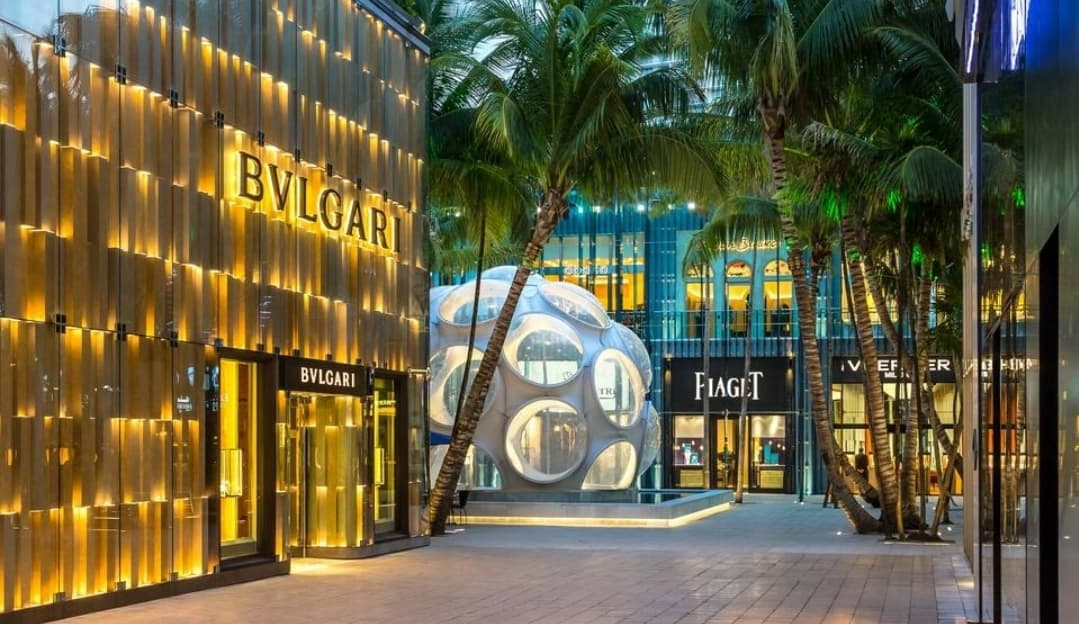
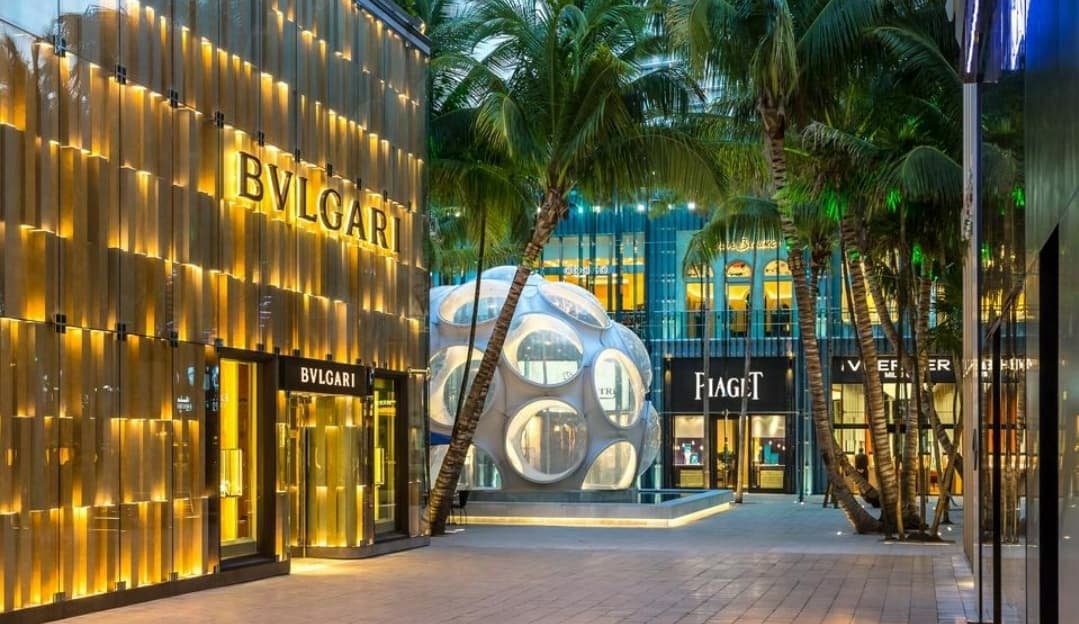
MIAMI (VINnews) — Shoppers carrying bags from Dior and Chanel walk past valet stands lined with Bentleys and Ferraris in Miami’s Design District. Outdoor diners order $42 cocktails and $82 fish dishes in the roughly 30-acre area of high-end retail, galleries and restaurants.
Yet federal tax rules still classify most of the neighborhood as an economically distressed community. The district holds an Opportunity Zone designation under a 2017 program created to spur investment in lower-income areas through capital-gains tax incentives. It qualified because its census tract groups the luxury retail corridor with neighboring lower-income areas, including parts of Little Haiti and Buena Vista. The Design District itself has almost no residents, so income and poverty data come largely from the tract’s outer edges. Designations also relied on census figures that can be several years old.
The federal government is preparing a second phase of the Opportunity Zones program. New designations are set to take effect at the start of 2027, and the Design District tract again meets eligibility criteria. The program, originally enacted in the Tax Cuts and Jobs Act, was made permanent by later legislation. Investors who reinvest eligible capital gains into Qualified Opportunity Funds can defer taxes and, after sufficient holding periods, receive basis step-ups and potential exclusion of gains on the zone investment itself.
Critics argue the designation channels benefits to already-prosperous areas. Brett Theodos, director of the Center for Local Finance and Growth at the Urban Institute, who has studied the program for years, has described such incentives as a subsidy for high-net-worth individuals to pursue investments they would make anyway in places they already favor. Critics also note the lack of public reporting requirements for beneficiaries, which makes tracking the flow of tax benefits difficult.
Supporters counter that the program has drawn capital overall despite imperfect data and occasional mismatches. John Lettieri, co-founder of the Economic Innovation Group, the organization that helped conceive the Opportunity Zones concept, has said the initiative has generally succeeded and that state governors bear responsibility for selecting appropriate tracts.
Developer Craig Robins, a principal behind the district’s transformation through Dacra and Miami Design District Associates, has said the designation attracted outside capital that improved the broader area. He and partners including L Catterton and Brookfield acquired much of the core retail land years before the 2017 law. Robins has stated that none of the partners in Design District projects are themselves pursuing Opportunity Zone tax benefits on their holdings. Hundreds of millions of dollars have flowed into the tract since the original designation, and land values have risen sharply. Residents of the wider census tract remain largely lower-income, according to available data.
Upcoming projects in or near the district, including a Fouquet’s-branded hotel and residences and a revived 20-story office and retail tower called Ursa, could potentially qualify for the incentives under the next phase if the tract is redesignated.
Governors will nominate tracts for the 2027 round under updated eligibility rules that emphasize poverty rates and median incomes. How already-thriving commercial districts are treated will test whether the program prioritizes its original goal of aiding lower-income communities.
(Reporting based on public accounts of a Wall Street Journal story by Deborah Acosta.)