Yedidya Meir Blasts Israeli Left for Suddenly Embracing ‘Soft Draft Law,’ Warns Chareidi Parties Against Abandoning Right

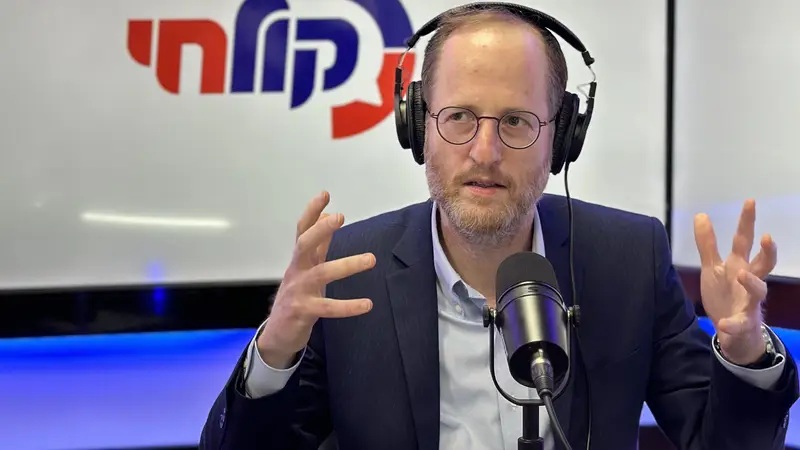
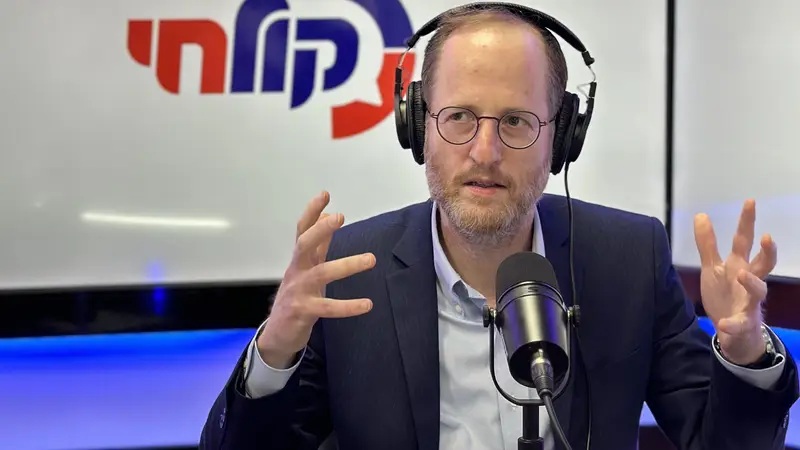
Israeli journalist and commentator Yedidya Meir has sharply criticized what he describes as a sudden reversal by Israel’s political left on the issue of drafting chareidi yeshiva students, accusing opponents of Prime Minister Binyamin Netanyahu of abandoning years of fierce opposition to draft exemptions in an effort to secure chareidi support for a new government headed by Gadi Eisenkot.
In a pointed column published Thursday, Meir argued that politicians and media figures who spent years condemning proposed legislation protecting yeshiva students are now discussing compromise arrangements and a more lenient draft law, just days after Israel’s elections created the possibility of a government without Netanyahu.
Meir said he was not surprised by what he characterized as the hypocrisy of the left, but was astonished by the speed with which its public messaging had changed.
Within hours of the election, he wrote, leaders of the anti-Netanyahu bloc and their supporters in the media began suggesting that the draft controversy could be set aside, describing it as a complicated issue that did not require an immediate solution.
“The hypocrisy of the left doesn’t amaze me. Only the speed does,” Meir wrote. “Within just a few hours, they know how to replace a campaign, engineer public opinion, change the conversation and invent an entirely new one.”
As evidence, Meir pointed to recent comments by former Prime Minister Ehud Barak during an interview with Radio 103FM, in which Barak suggested that the IDF would be unable to absorb all chareidi men into its ranks even if they were required to enlist.
“The IDF is incapable of absorbing all the chareidim anyway,” Barak said, according to Meir, adding that the principal issue was not the additional military units that could be created through chareidi enlistment.
Instead, Barak suggested that those who do not enter the military could perform a limited period of national service.
“The real main issue is that they participate in the burden, meaning that they serve. For example, anyone who chooses not to enlist should perform nine months of national service, or however long it might be, and then go on with his life,” Barak said.
Meir expressed astonishment at the proposal, arguing that a requirement of just nine months of national service was considerably more lenient than the demands previously advanced by opponents of chareidi draft exemptions.
He suggested sarcastically that even chareidi negotiators would not have dared propose such an arrangement themselves.
Meir also cited journalist Ben Caspit, who recently suggested that political leaders would need to find a way to “somehow round off the draft law,” a remark Meir interpreted as another indication that the political establishment was suddenly willing to compromise.
Particularly striking, Meir argued, was a report on Channel 12 referring to the possibility of a “soft draft law.”
For the past three years, he wrote, opponents of the chareidi parties had repeatedly described proposed draft legislation as a “draft evasion law,” portraying protections for yeshiva students as an unacceptable injustice toward those serving in the military.
Meir accused that campaign of contributing to hostility toward bnei yeshiva, including verbal harassment and incidents in which yeshiva students were insulted or spat upon in public.
He estimated that tens of thousands of yeshiva students had been subjected to abuse during the controversy, although he did not provide independent figures supporting that estimate.
Now, he observed, the same political and media circles were speaking approvingly about a more accommodating arrangement.
“Suddenly, a ‘soft draft law,'” Meir wrote, comparing the new terminology to the marketing of a gentle shampoo.
The columnist recalled that nearly two years earlier, writing in the newspaper B’Sheva, he had predicted that the political left would eventually seek to redefine its proposed alliance of military-serving Israelis in order to accommodate new coalition partners while excluding religious and right-wing voters.