Josh Shapiro Wins Second Term as Pennsylvania Governor, Defeating Trump-Backed Republican Stacy Garrity

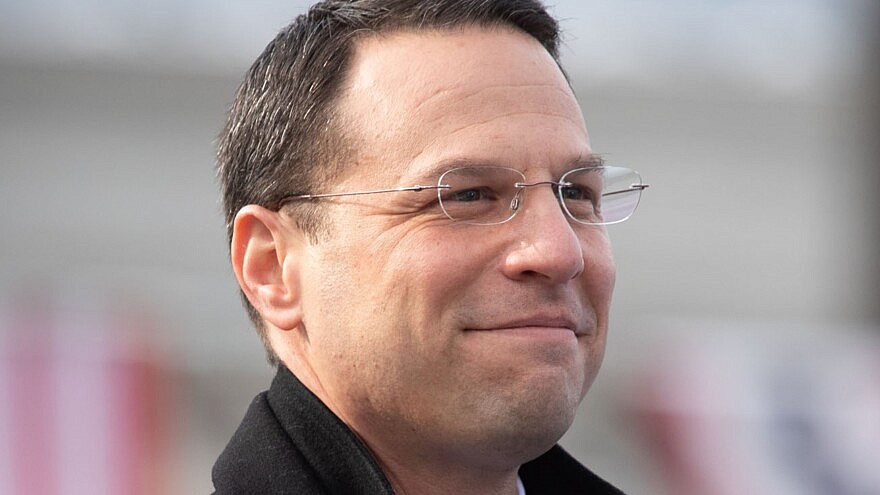
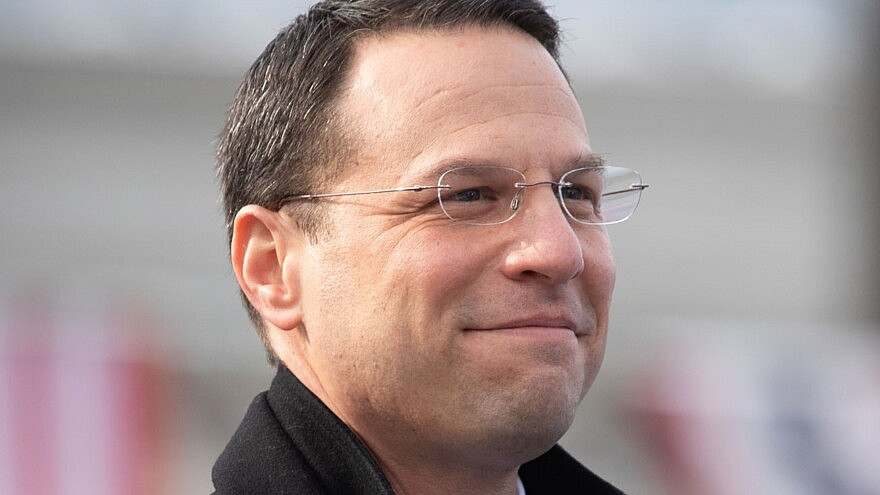
Pennsylvania Gov. Josh Shapiro has won reelection to a second four-year term, defeating Republican state Treasurer Stacy Garrity in a decisive victory that strengthens his standing as a potential Democratic presidential contender in 2028.
The Associated Press projected Shapiro as the winner at 8:01 p.m. Tuesday, just one minute after polls closed across Pennsylvania, reflecting the overwhelming advantage the Democratic incumbent carried into Election Day.
Shapiro, 53, secured another term in one of the nation’s most politically important battleground states, which President Donald Trump carried in the 2024 presidential election. His victory represents a significant success for Pennsylvania Democrats as they seek to expand their influence in state government and congressional races.
The governor, who was first elected in 2022, campaigned on his administration’s record of increasing education funding, supporting law enforcement, attracting businesses, and creating jobs. He also emphasized his efforts to work across party lines in a state where Republicans have controlled the Senate throughout his tenure.
Shapiro’s running mate, Lt. Gov. Austin Davis, was also reelected and will serve another four-year term.
Garrity, 62, a U.S. Army veteran who has served as Pennsylvania’s treasurer since 2021, sought to make the election a referendum on Shapiro’s handling of the state’s economy, taxes, energy policies, and government spending.
The Republican challenger, who received President Trump’s endorsement in January, argued that Pennsylvania needed new leadership to address rising costs and expand economic opportunities. She promised to encourage energy production, reduce taxes, and pursue policies intended to create additional jobs.
Despite receiving strong support from Republican leaders, Garrity struggled to gain traction against Shapiro, who maintained a substantial advantage in fundraising and public opinion surveys throughout the campaign.
Shapiro entered Election Day with a commanding lead in most polls. The RealClearPolitics polling average showed him ahead by approximately 26 percentage points during October, making the contest one of the least competitive major gubernatorial races of the 2026 election cycle.
The governor’s reelection comes four years after he defeated Republican Doug Mastriano by nearly 15 percentage points in 2022, establishing himself as one of the Democratic Party’s strongest statewide candidates.
Shapiro previously served as Pennsylvania’s attorney general from 2017 until 2023 and gained national recognition for his handling of major legal and political controversies.
During his first term as governor, he attracted widespread attention for overseeing the rapid reconstruction of a collapsed section of Interstate 95 in Philadelphia in 2023, an episode that became a centerpiece of his political messaging about effective government.
Shapiro has also emerged as an outspoken critic of President Trump, repeatedly challenging administration policies through public statements and legal action.
His political profile rose considerably during the 2024 presidential campaign, when then-Vice President Kamala Harris considered him as a potential running mate before ultimately selecting Minnesota Gov. Tim Walz.
Since then, Shapiro has frequently appeared on lists of possible Democratic presidential candidates for 2028. His ability to win comfortably in Pennsylvania, a state considered essential to either party’s presidential ambitions, is expected to strengthen his national political prospects.
The governor has maintained that his immediate priority is serving Pennsylvania, although he has declined to definitively rule out a future presidential campaign.
Beyond his own reelection, Shapiro has invested considerable political and financial resources in helping Democratic candidates competing for congressional and state legislative seats.
His campaign directed approximately $10 million toward efforts to flip four Republican-held congressional districts and help Democrats gain full control of Pennsylvania’s state government for the first time since 1993.
Democrats entered Election Day controlling the state House by a narrow margin, while Republicans held the state Senate. A Democratic takeover of both chambers would give Shapiro considerably greater freedom to pursue his legislative agenda during his second term.