Vows to Replace Knesset Speaker, Repeal Laws and Impose National Service Requirement

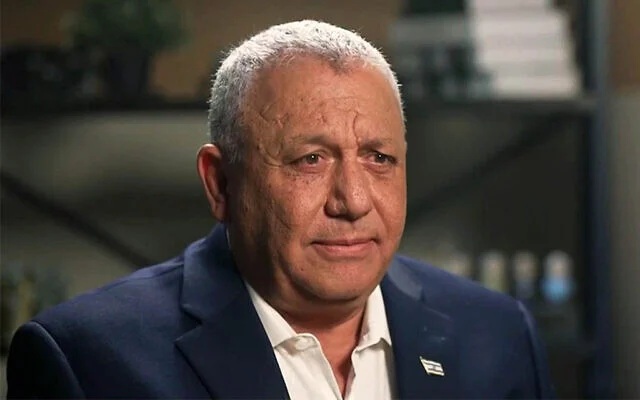
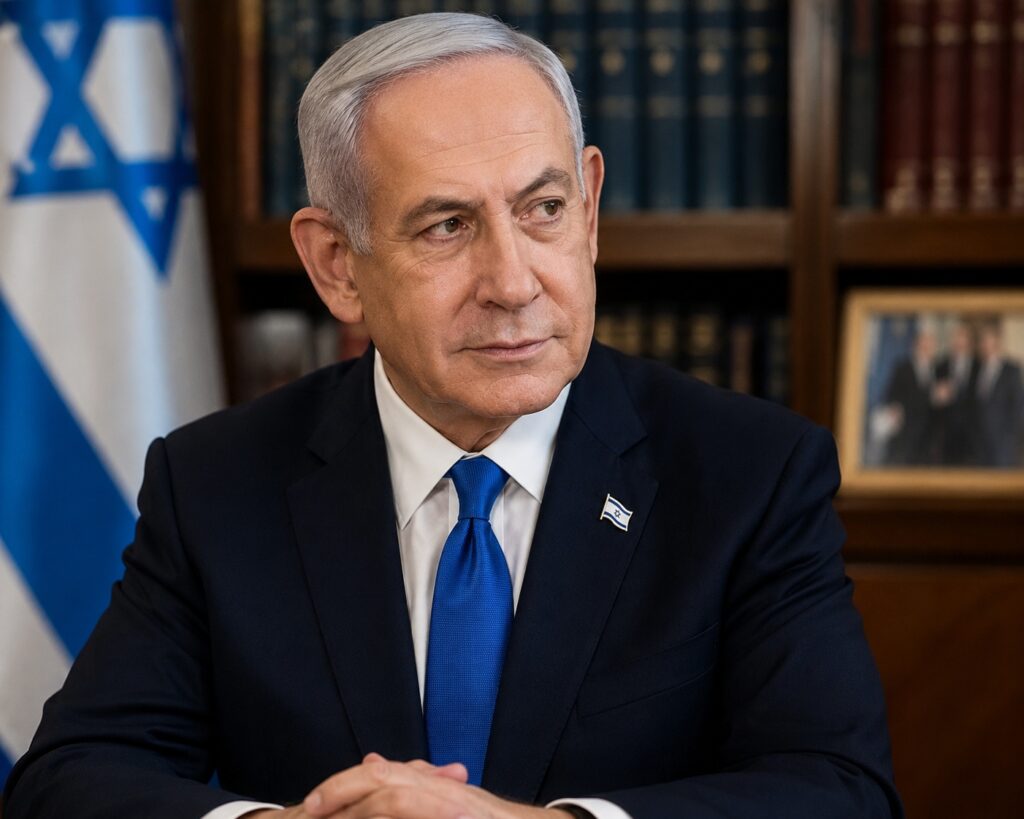
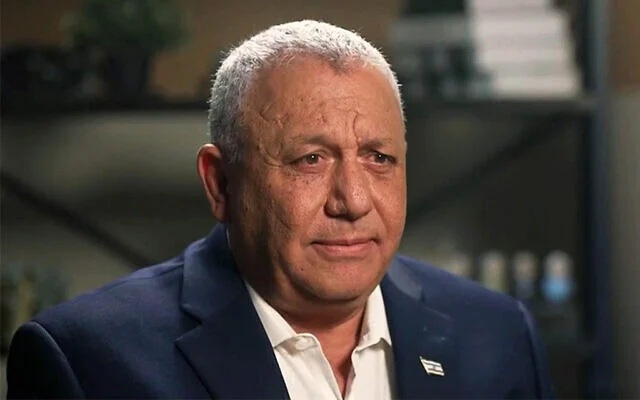
Gadi Eisenkot, chairman of the Yashar! party, announced Tuesday that his political alliance intends to move quickly to establish a government without Prime Minister Binyamin Netanyahu, replace the Knesset speaker and repeal legislation it considers harmful to Israeli democracy.
Speaking after a meeting of leaders from the anti-Netanyahu bloc, Eisenkot declared that Netanyahu no longer commands a parliamentary majority and insisted that the parties seeking to replace him are united in their determination to form a new government.
“We will act quickly. We have two objectives ahead of us: establishing a national emergency government and carrying out measures in the Knesset,” Eisenkot said, outlining plans to install a new Knesset speaker, introduce legislation and overturn existing laws that he argues threaten democratic institutions.
Eisenkot said the proposed government would operate according to principles agreed upon by the participating parties, including preserving Israel’s identity as a Jewish, democratic and liberal state, based on the values of its Declaration of Independence.
A central element of the proposed coalition’s agenda would be the introduction of a universal service obligation, requiring citizens to perform military, national or civilian service. Such a policy would have major implications for the chareidi community and the ongoing dispute over military enlistment exemptions for yeshiva bochurim.
The alliance’s stated principles also include treating Hamas as a terrorist organization and pursuing the destruction of its military capabilities and governing authority.
The five opposition party leaders who met Tuesday were Eisenkot, Naftali Bennett, Yair Lapid, Avigdor Lieberman and Yair Golan. Following their meeting in Herzliya, they agreed to recommend Eisenkot to President Isaac Herzog as their candidate to form the next government.
They also agreed to pursue the replacement of current Knesset Speaker Amir Ohana, a Likud member, although disagreements remain over who should succeed him. Lieberman has expressed support for Lapid, while Eisenkot’s party is seeking the position for one of its own representatives.
The dispute over the speakership could prove important because control of the Knesset’s agenda would give the opposition greater influence over legislative proceedings even before a new government is established.
Eisenkot sharply criticized Netanyahu and Likud, declaring that the prime minister’s parliamentary support had fallen to just 46 lawmakers.
“Beginning Tuesday, Netanyahu is a caretaker prime minister supported by only 46 members of Knesset,” Eisenkot declared.
Notably, Eisenkot’s calculation excludes United Torah Judaism’s seven seats, an apparent indication that he is leaving open the possibility of cooperation with the chareidi party. However, no agreement with UTJ has been announced, and the proposed universal service requirement could present a major obstacle to such cooperation.
Eisenkot also accused Likud of attempting to discredit the election results and warned that his political opponents would launch a campaign of misinformation aimed at disrupting the opposition’s efforts to form a government.
He predicted a wave of “spins and ugly, dishonest briefings” in the coming days, insisting that the opposition parties would not be intimidated into abandoning their plans.
Referring to the approaching anniversary of the assassination of Prime Minister Yitzchak Rabin, Eisenkot declared, “We will remember what we learned: In the face of violence, incitement and the erosion of the foundations of democracy, we will stand firm, without fear. Anyone who thinks they can intimidate the forces of change does not properly appreciate our determination and our commitment to the citizens of Israel.”
Despite the public declarations of unity, significant disagreements remain within the anti-Netanyahu alliance, particularly over the role of Arab parties in a potential government and the identity of the next Knesset speaker.
Golan has supported cooperation with Arab parties, while other opposition leaders have resisted such an arrangement. The bloc is consequently exploring whether an alternative parliamentary majority could be assembled with support from chareidi lawmakers.