Fired Army General Accused of Sharing Classified Iran and Ukraine Secrets With Major Newspapers

A senior Army general dismissed by War Secretary Pete Hegseth is under federal investigation over allegations that he disclosed classified military intelligence concerning Iran and Ukraine to reporters at The Wall Street Journal and The New York Times, raising the possibility of criminal charges and a military court-martial.
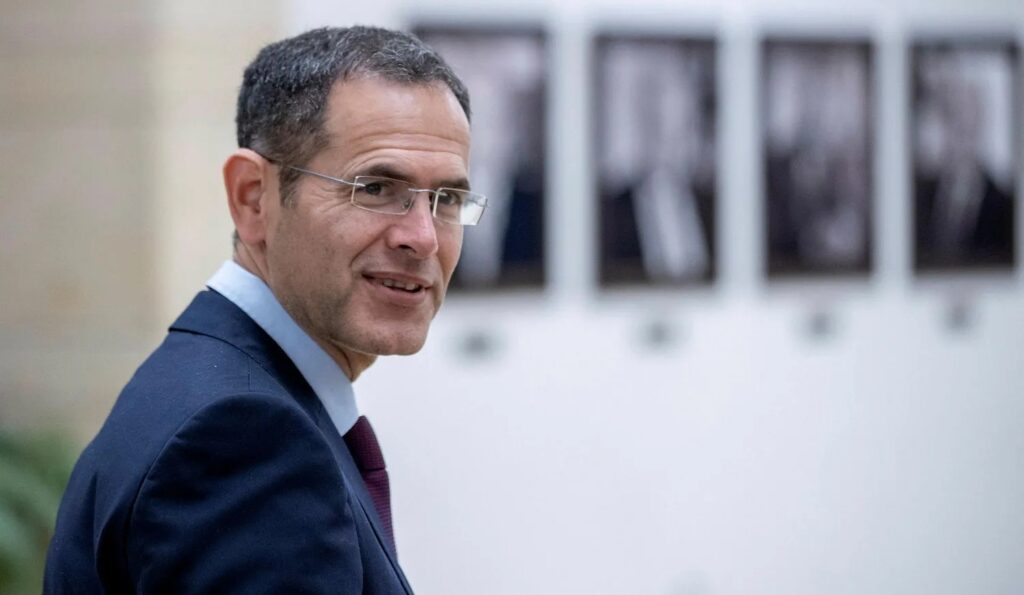
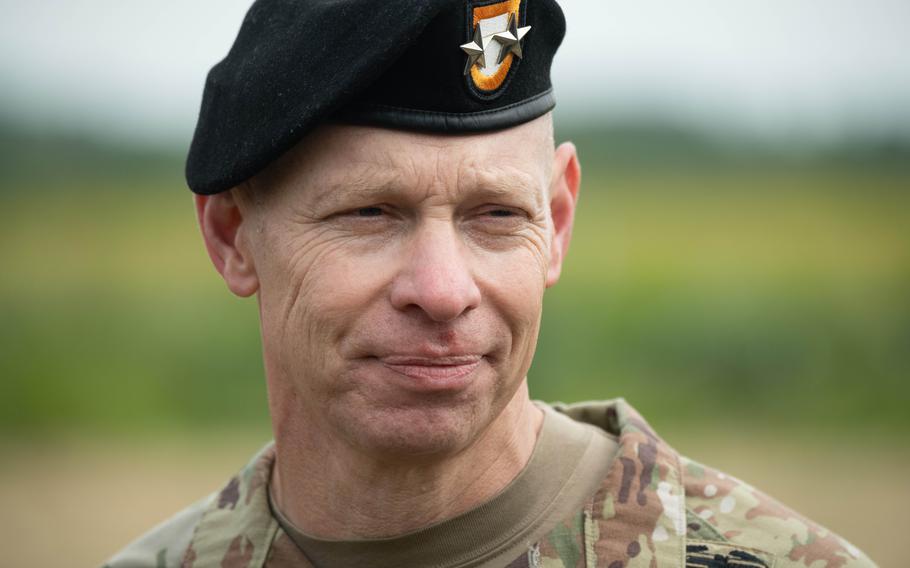
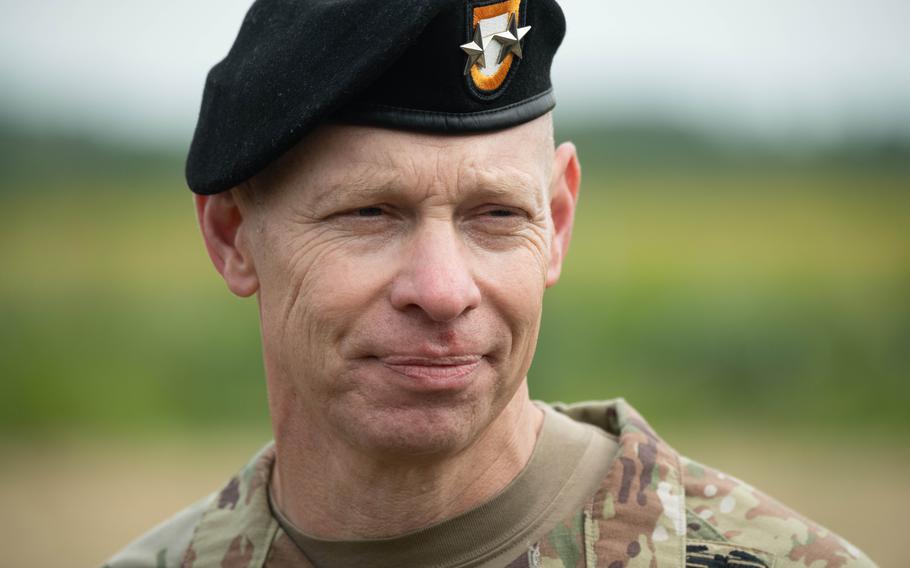
Former Army Lt. Gen. Brett Sylvia was removed from his position last week following an investigation into suspected unauthorized communications with journalists. According to Axios, investigators believe the general passed sensitive military information to reporters and subsequently acknowledged making unauthorized disclosures during recorded questioning.
Three individuals familiar with the inquiry told Axios that Sylvia failed four polygraph examinations and made admissions during two videotaped interviews lasting more than two hours combined.
“The president has no tolerance for leakers, so Sylvia’s termination is the first step in the accountability process, not the last,” one source told Axios.
The Justice Department is examining allegations that Sylvia began providing classified information to Wall Street Journal reporter Michael Gordon in the fall of 2025. Investigators reportedly identified several interactions between the two, including a meeting at the Pentagon and another at a Silver Diner restaurant in Arlington, Virginia.
An internal Defense Department investigative report obtained by Axios describes how Sylvia allegedly used information from a classified document to brief Gordon about American military assistance to Ukraine.
“Major General Sylvia relied on notes he took while reviewing a classified secret report to orally brief Gordon on assistance to Ukraine,” the report stated.
Investigators are also examining allegations that Sylvia disclosed sensitive information about American weapons inventories and discussions involving Iran.
A separate legal review reportedly identified disclosures concerning “munitions stockpiles and high-level interagency discussions with Iran,” according to an individual familiar with the findings.
The inquiry has also focused on Sylvia’s use of Signal, an encrypted messaging platform, and whether communications with journalists were subsequently erased.
According to the Pentagon report, Gordon contacted Sylvia through Signal in June or July, although the general reportedly said he could not remember the precise contents of the communication.
“Sylvia is unable to recall exactly what was in that message,” the report stated. “But he believed it had something to do with Iran. He stated that he did not respond to the message and instead deleted it.”
Investigators said Sylvia acknowledged deleting the entire Signal conversation, potentially eliminating messages and records of calls exchanged through the application.
The Pentagon investigation also identified communications between Sylvia and New York Times reporter Greg Jaffe concerning Hegseth’s decisions to dismiss senior military officers.
Neither Gordon nor Jaffe has been accused of wrongdoing. The allegations concern Sylvia’s handling of information obtained through his military position, and the claims have not been established in court.
The investigation has also generated questions inside the Pentagon about how senior military officials handled Sylvia’s dismissal. The Joint Staff initially released a complimentary farewell statement recognizing his service, only to withdraw it after senior Defense Department officials raised concerns about the circumstances surrounding his removal.
“You don’t get four polygraphs deep without the head of the Joint Staff being briefed at some point. Why wasn’t he flagged, what red flags flared up?” a source familiar with the investigation told Axios.
Sylvia, a decorated career officer who previously commanded the Army’s 101st Airborne Division, had been serving as director for strategy, plans and policy on the Joint Staff, a senior position responsible for military planning and strategic advice to the chairman of the Joint Chiefs of Staff.
The Air Force Office of Special Investigations conducted the internal inquiry, and the Pentagon subsequently referred the matter to the Justice Department for possible prosecution. The general could also face proceedings under military law, including allegations of “conduct unbecoming of an officer.”