US Withdrawing $4B in Israel Aid Was Decided Months Before Midterm Shellacking

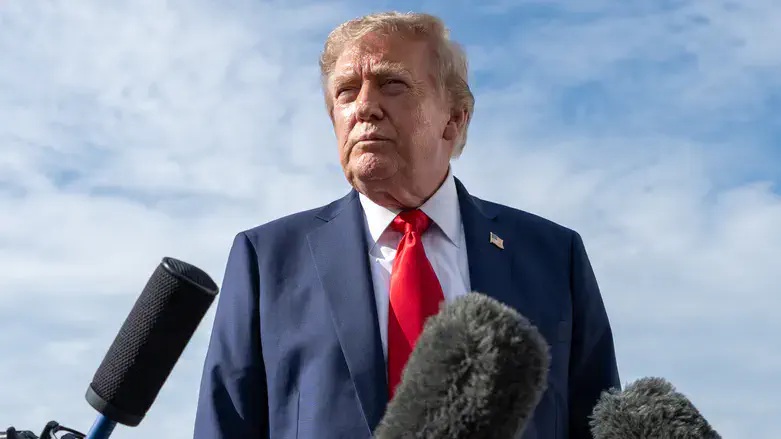
The Trump administration has been working for months on a plan to eliminate nearly $4 billion in annual American military assistance to Israel, potentially beginning in October 2027, as Washington prepares to fundamentally restructure its defense relationship with the Jewish state, the NY Post reports.
Although President Donald Trump publicly announced the proposed withdrawal of aid on Tuesday, just hours before Republicans suffered major losses in the midterm elections, an American official told the New York Post that the discussions had been underway well before Election Day.
The negotiations center on replacing the existing U.S.-Israel military assistance arrangement with a broader strategic partnership that would place less emphasis on direct American financial support.
The current agreement, signed in 2016, commits Washington to providing Israel with $38 billion in military assistance over ten years. That includes $33 billion through the Foreign Military Financing program and another $5 billion for missile defense, amounting to approximately $3.8 billion annually.
The agreement remains in effect through fiscal year 2028, but administration officials are now considering a much faster timetable for ending the assistance.
A U.S. official said negotiations over a replacement memorandum of understanding had “been ongoing for months.”
“POTUS accelerated those plans,” the official noted. “But for months we’ve been planning on reducing direct aid and reframing the MOU more as a strategic partnership.”
According to the official, Israel itself raised the possibility of gradually reducing American financial assistance. Depending on the outcome of negotiations, the funding could be eliminated as early as October 1, 2027, when the next U.S. fiscal year begins.
The official indicated that the accelerated timetable would depend on whether the “Israelis are OK with a steeper cliff.”
Any changes to the funding arrangement would also require congressional approval, meaning the administration cannot unilaterally terminate the assistance already authorized by Congress.
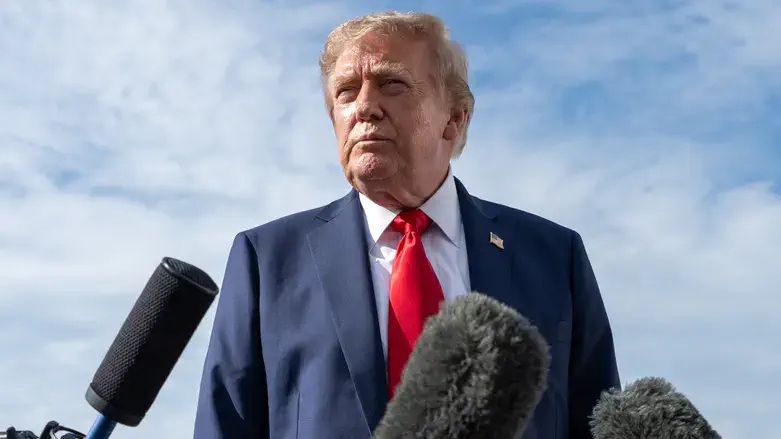
Trump publicly addressed the issue during a Tuesday appearance on Fox & Friends, arguing that Israel has reached a point where it no longer requires the same level of American financial support.
“They don’t need it,” Trump said, explaining that Prime Minister Binyamin Netanyahu had previously discussed the possibility of ending the assistance.
“We give them more than anybody else, and they no longer need it. We’ve been doing it for years,” Trump added. “He [Netanyahu] said, ‘I think it would be appropriate if we do not receive aid,’ because he understands that this is one of their points of contention.”
The proposed change comes amid considerable political upheaval in both countries. Republicans lost control of Congress in Tuesday’s midterm elections, while Netanyahu is confronting the aftermath of Israel’s recent election, in which his Likud party lost its parliamentary majority.
Israeli opposition leaders sharply criticized the handling of the American aid discussions, warning that the proposed changes could weaken Israel’s security and raise questions about the management of relations with Washington.
Gadi Eisenkot, Netanyahu’s principal political rival in the recent election, accused the prime minister of mishandling a major development in the U.S.-Israel relationship.
“The fact that Israel’s defense establishment is learning of a shift in our strategic relationship through the media, at the same time as the Israeli public, shows just how dangerous Benjamin Netanyahu’s conduct is,” Eisenkot said in a statement to the Associated Press.
Another opposition figure, Yair Golan, warned that the withdrawal of American military assistance would represent a “severe blow to Israel’s security.”
The announcement also coincides with growing debate inside the Trump administration over the war with Iran, which both the president and Vice President JD Vance have acknowledged contributed to Republican losses in the midterms.
Trump conceded in an interview with The Wall Street Journal that the conflict had played a role in the election results.