Israel and Middle East Would Not Exist if He Hadn't Stopped Iran's Nuclear Program

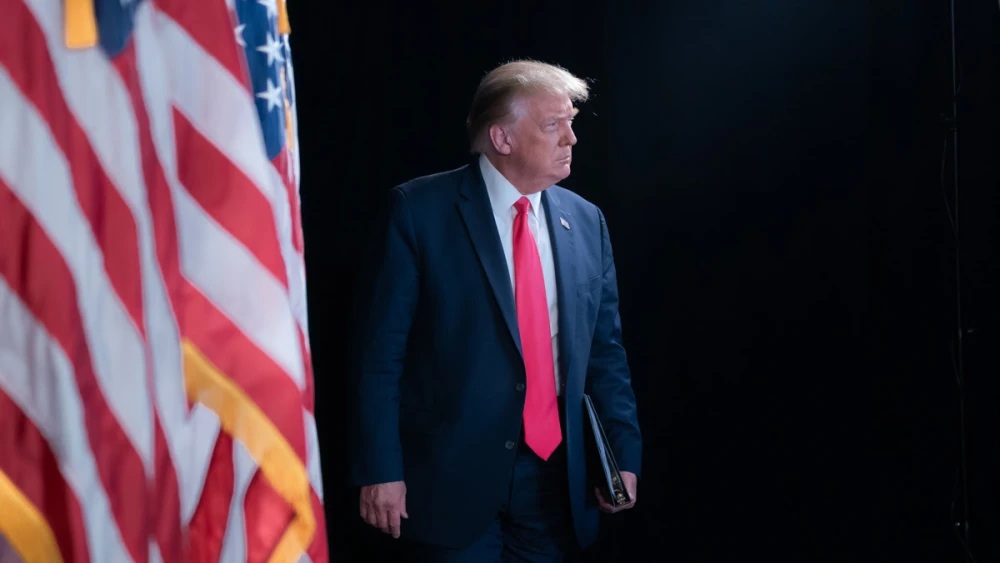
President Donald Trump declared Friday that Israel and the wider Middle East would have faced destruction had his administration not intervened militarily to prevent Iran from developing nuclear weapons, delivering the dramatic assessment as Washington continued weighing the possibility of additional strikes against Tehran.
“Israel and, in fact, the entire Middle East, WOULD NOT EXIST TODAY if I did not stop Iran from having a Nuclear Weapon,” Trump wrote in a post on Truth Social.
“Nobody wants to say that, but everybody knows it’s true!” he added.
Trump’s remarks came one day after he issued another warning to Iran, making clear that American military forces remain prepared to resume attacks if Tehran fails to address Washington’s concerns over its nuclear activities.
During an exchange with reporters in the Oval Office on Thursday, Trump indicated that he would prefer to avoid another round of military operations but suggested that further action could become unavoidable.
“I would rather not destroy the rest of the country if possible, but maybe I’ll have to. You will know soon enough.”
The president followed that statement with an additional warning about the readiness of American forces.
“If we have to do the rest of the Iran thing, we’re very much locked and loaded,” Trump stressed.
The renewed threats come amid ongoing diplomatic efforts to determine whether Washington and Tehran can reach an agreement over Iran’s nuclear program without another military confrontation.
The New York Times reported Thursday that Iranian officials were reviewing proposals presented by international intermediaries concerning the country’s nuclear activities, raising the possibility that negotiations with the United States could resume.
Later Thursday, a senior Iranian official told Reuters that Tehran had transmitted a nuclear proposal to Washington through Qatar. However, the official said Iran would not enter negotiations unless the United States first accepted seven conditions established by the Iranian government.
Among Tehran’s demands are the removal of American economic sanctions, the release of Iranian assets frozen overseas, and compensation for damage sustained during the war.
Washington has taken a different position, insisting that Iran’s nuclear activities must be addressed from the outset of any negotiations rather than postponed until after other Iranian demands are satisfied.
Iranian security official Mohsen Rezaei reinforced Tehran’s position Thursday during a visit to Russia, saying the country would neither reopen the Strait of Hormuz nor participate in negotiations until its conditions were fulfilled. The waterway remains a major point of contention in efforts to prevent renewed fighting.
The latest diplomatic initiative follows the American and Israeli military campaign launched against Iran on February 28, which triggered Iranian retaliation against Israel and Gulf countries hosting American military installations. The conflict subsequently expanded to Lebanon and Yemen, with Iranian-backed groups becoming involved in the fighting.
Trump has repeatedly argued that Iran would have used nuclear weapons against Israel had American forces not intervened. In previous interviews, he has pointed to the American B-2 bomber strikes on Iranian nuclear facilities as decisive in preventing Tehran from acquiring such weapons.
Despite the renewed diplomatic activity, the two governments remain divided over the conditions for formal negotiations. American officials are reviewing the proposal delivered through Qatar, but no agreement has been announced on when talks might begin or whether Iran will abandon its preconditions.