Evidence of Qatari Election Interference Reportedly “Weak to Nonexistent” as Shin Bet Chief Clashes With Attorney General


Israeli law enforcement officials are reportedly casting serious doubt on allegations that Qatar financed efforts to influence last week’s Knesset elections, with investigators describing the evidence connecting Doha to suspicious payments as extremely weak or possibly nonexistent. The development comes amid an escalating confrontation between Shin Bet director David Zini and Attorney General Gali Baharav-Miara over how the sensitive election interference investigation should proceed.
According to a report Monday evening by Roy Yanovsky of Kan News, the investigation began after intelligence emerged concerning an alleged transfer of substantial sums of money to individuals associated with the Joint List. Although investigators have reportedly established that money was transferred, they have yet to determine its original source, and law enforcement officials are increasingly skeptical that Qatar was responsible.
The investigation is also examining allegations involving the Palestinian Authority, following claims made Monday by Yisrael Beytenu chairman Avigdor Lieberman that Palestinian officials had attempted to influence Israel’s Arab political parties during the election campaign.
The information currently available to the Shin Bet reportedly concerns a specific financial transaction, with investigators attempting to establish where the funds originated and how they were ultimately used. According to the report, the suspected activity is considerably narrower than the sweeping allegations of Qatari involvement that have circulated publicly in recent days.
Meanwhile, Channel 13 reported that Baharav-Miara has refused to authorize the immediate questioning of parliamentary aides associated with the Joint List, insisting that investigators must first present sufficient evidence concerning suspicions against the Knesset member involved.
The attorney general reportedly determined that because the investigation concerns allegations against an elected lawmaker, questioning members of the lawmaker’s parliamentary staff must be treated as part of the investigation of the MK himself. Consequently, the relevant parliamentary immunity protections and legal approval procedures must be observed.
Under Baharav-Miara’s instructions, the Shin Bet must first substantiate the allegations against the Knesset member before she will consider authorizing the questioning of the lawmaker and his aides.
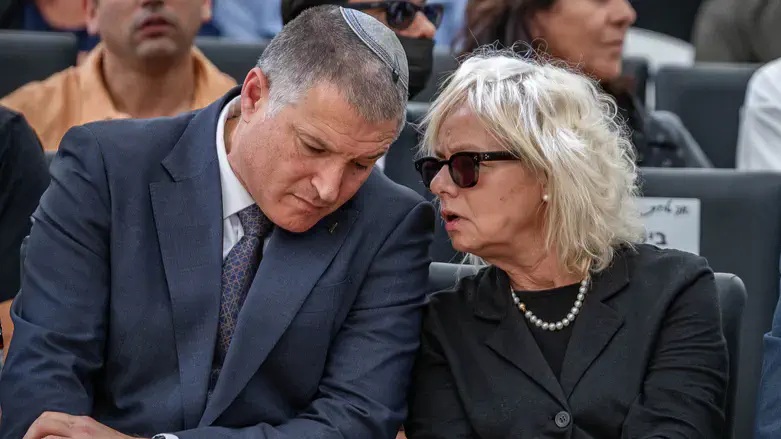
A separate Channel 13 report by Aviad Glickman revealed that the disagreement extends beyond the questioning of parliamentary staff. During a special meeting Sunday attended by Zini, Baharav-Miara, and Central Elections Committee chairman Justice Noam Sohlberg, a heated confrontation reportedly erupted over whether the Israel Police should participate in the investigation.
Zini argued that the suspected foreign interference constituted a national security matter that should remain exclusively under Shin Bet jurisdiction. Baharav-Miara and other senior Shin Bet officials reportedly disagreed, maintaining that the case involved suspected criminal offenses with national security implications and therefore required police involvement.
Sohlberg attempted to resolve the disagreement but ultimately informed Zini that, under the circumstances, the investigation could not proceed without the participation of the police.
The exchange reportedly became increasingly contentious, with Zini accusing government legal officials of interfering with his ability to conduct the investigation.
“The legal advisers are trying to slow me down and bypass me. This is unacceptable to me,” Zini reportedly declared.
Glickman also reported unusually sharp criticism of Zini from senior figures within the Shin Bet, who questioned his judgment and the investigative measures he was seeking to implement.
“Zini is seeking to carry out dangerous and extreme actions. He does not understand what an investigation is, what evidence is, or how the police and Shin Bet work and operate,” the officials reportedly said.
According to those officials, Zini had already received legal authorization to carry out significant investigative activities before the elections. However, they alleged that following the strong electoral performance of the Arab parties, he sought permission to take considerably more aggressive steps.
The officials went further, reportedly accusing the Shin Bet director of failing to understand the principles of democracy, an extraordinary criticism of the head of Israel’s domestic security service from individuals described as senior members of his own organization.