United Torah Judaism Refuses to Back Netanyahu, Opens Door to Talks With Eisenkot and Opposition Bloc

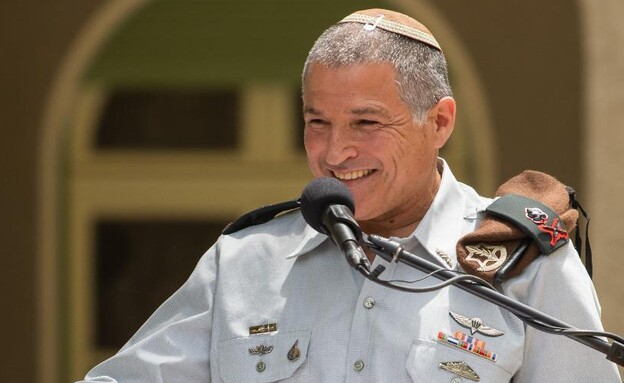
United Torah Judaism is signaling a potentially dramatic shift in Israel’s political landscape, refusing to commit to supporting Prime Minister Binyamin Netanyahu in the formation of the next government and leaving open the possibility of negotiating with Gadi Eisenkot and other leaders of the opposition bloc.
With consultations at President Isaac Herzog’s residence scheduled for Wednesday, the Ashkenazi chareidi party is considering whether to recommend Netanyahu, support another candidate or decline to endorse anyone for prime minister. The discussions come after the recent elections left Netanyahu without a 61-seat Knesset majority, raising questions about the future of his longstanding political alliance with the chareidi parties.
Agudas Yisroel chairman MK Yitzchok Goldknopf made clear in comments to Kikar HaShabbat that United Torah Judaism does not consider itself obligated to either of Israel’s competing political blocs.
“We are not in anyone’s bloc; we demand a draft law without sanctions or quotas. That is the demand of the rabbonim, and we will not compromise on it. That is the condition for any negotiations with any bloc,” Goldknopf said, in remarks translated from Hebrew.
His statement reflects a growing willingness within United Torah Judaism to reconsider its political alliances in pursuit of legislation protecting the status of yeshiva students.
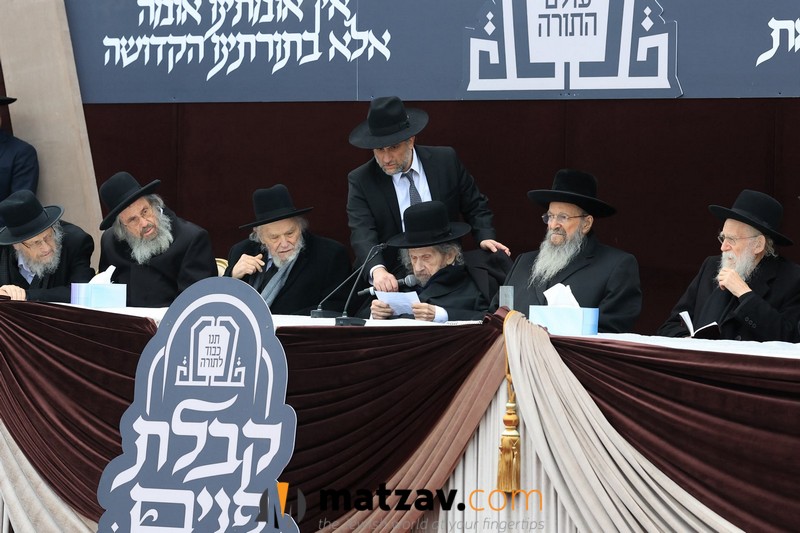
The possibility of negotiations with the opposition follows instructions reportedly issued Friday by Rav Dov Landau, who directed Degel HaTorah representatives to explore discussions with the bloc seeking to replace Netanyahu.
According to Kikar HaShabbat political commentator Yishai Cohen, Rav Landau instructed the party’s lawmakers to make every possible effort to secure an arrangement addressing the status of yeshiva bochurim and avreichim.
The rosh yeshiva reportedly emphasized that United Torah Judaism does not belong to any particular political camp but rather represents the interests of the Torah world.
The development has prompted intense speculation about whether the chareidi party could help Eisenkot assemble an alternative coalition, or at least withhold the support Netanyahu would need to form another government.
Avi Grinzeig, a spokesman for Rav Landau’s household, told Channel 12 that no final decision had been reached and cautioned against interpreting the reports as evidence of an agreement with another political bloc.
“I don’t want to address one report or another, because right now there is simply nothing. I can say only one thing: Whatever the rabbonim decide, when it becomes relevant, is what will happen,” he said, in remarks translated from Hebrew.
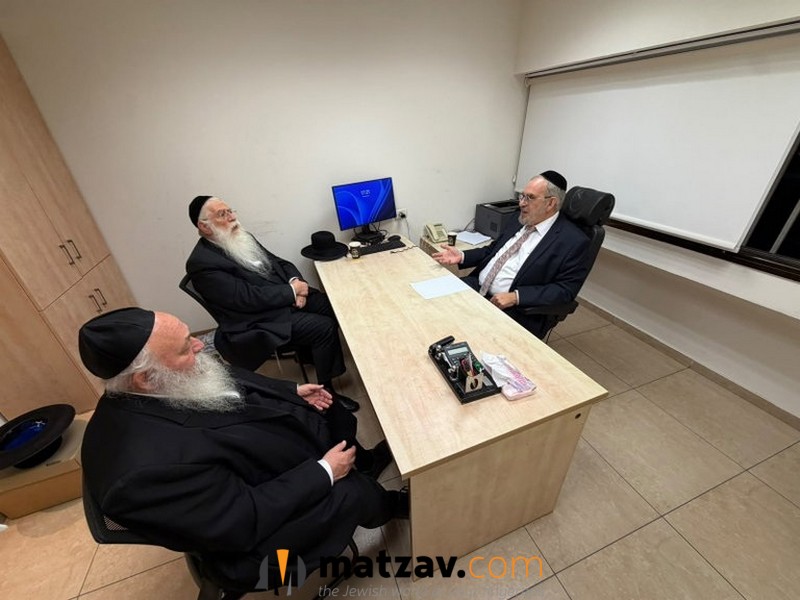
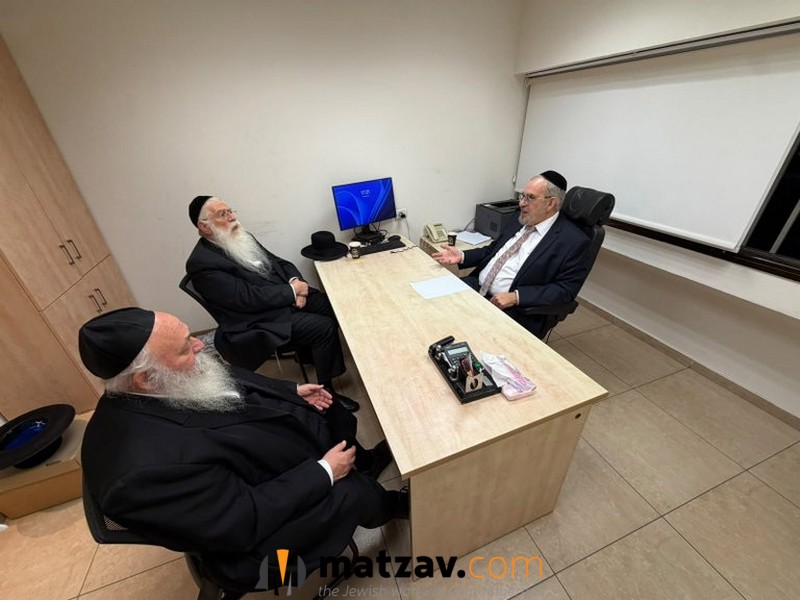
Senior United Torah Judaism officials met Sunday evening in Bnei Brak to discuss their next steps ahead of Wednesday’s presidential consultations.
Degel HaTorah chairman MK Yaakov Asher met with Agudas Yisroel representatives MK Yitzchok Goldknopf and MK Meir Porush in an effort to formulate a common position for the party.
Among the possibilities reportedly under consideration is refusing to recommend any candidate for prime minister, a move that would allow United Torah Judaism to avoid committing itself to Netanyahu while negotiations continue.
Porush, however, appeared to express skepticism about the prospect of joining forces with Eisenkot. As he entered the meeting, he remarked, “Gadi Eisenkot will not call us,” according to the report.
The central issue driving the discussions remains the military draft law, which has become a major source of tension between the chareidi parties and Netanyahu’s government.
United Torah Judaism is seeking legislation that would protect yeshiva students from military conscription while avoiding sanctions and recruitment quotas that its rabbinic leadership considers unacceptable.
Party officials recognize that Eisenkot and his political allies may be unwilling to support the legislation United Torah Judaism has demanded. Nevertheless, discussions are reportedly underway about whether an alternative arrangement, potentially involving more stringent provisions, could provide a workable solution.