Israeli Election Committee Reviews 9,069 Polling Stations, Finds No Evidence of Fraud or Irregularities Affecting Results

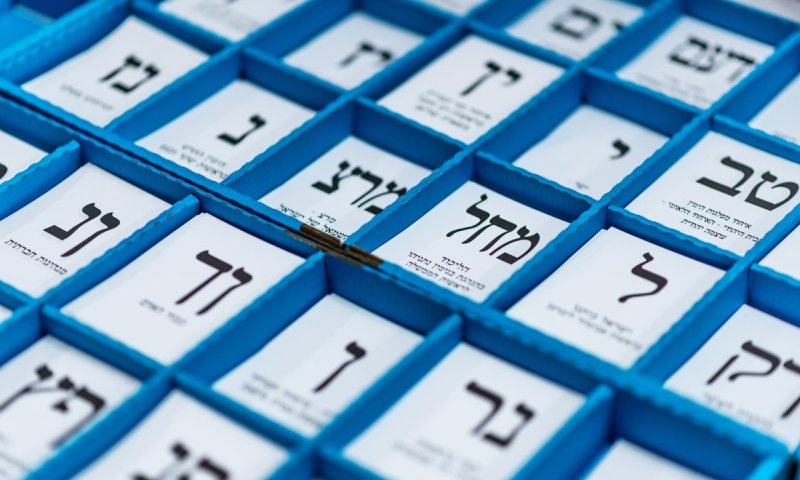
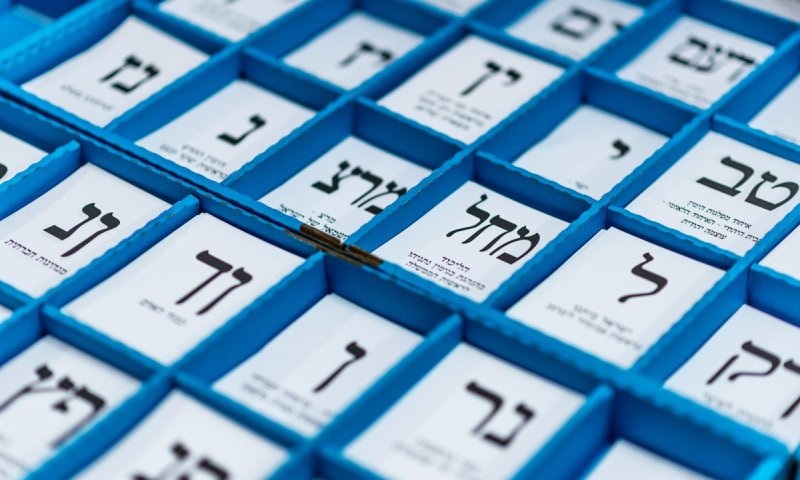
Israel’s Central Elections Committee announced Wednesday that it has completed an extensive review of the October 27 elections for the 26th Knesset, examining results from 9,069 polling stations and finding no evidence of election fraud or irregularities that would compromise the integrity of the vote or alter the election outcome.
The announcement comes as Israel prepares to formally certify the results of the closely watched election and begin the process of forming a new government, with President Isaac Herzog scheduled to receive the official results Wednesday.
According to the committee, the comprehensive review covered approximately 75 percent of the country’s 12,018 regular polling stations, representing an unprecedented level of scrutiny of election results.
The 9,069 polling stations examined marked a 78 percent increase over the previous Knesset election, when election officials reviewed approximately 5,100 polling stations.
The committee said the expanded review was intended to ensure that every legitimate concern raised by political parties, candidates, or members of the public received appropriate attention and that the final results accurately reflected the decisions of Israeli voters.
Approximately 250 attorneys employed in the public sector participated in the operation alongside Central Elections Committee personnel.
The review lasted six working days, beginning October 28 and concluding Tuesday, November 3. Seven examination rooms operated throughout the process, supported by a central command center, with personnel working morning and evening shifts.
Election officials examined polling station protocols and other official documentation, conducting more extensive inspections whenever the circumstances warranted additional scrutiny.
In 350 polling stations, investigators carried out detailed examinations of voting materials, including ballots, voter registration records, and accompanying election documentation.
The committee reported receiving 2,452 inquiries from political parties and candidate lists concerning results or procedures at 1,350 polling stations.
Every submission was reviewed, and corrections were made wherever the examination established that adjustments were necessary.
An additional 1,239 complaints and inquiries were submitted by members of the public on Election Day and afterward, involving alleged election integrity concerns at approximately 750 polling stations.
Those complaints were also examined in full, according to the committee.
Officials emphasized that the review did not uncover any findings indicating a compromise of election integrity or any irregularity requiring a change to the overall election results.
Polling stations were selected for review using several criteria, including complaints from political parties and voters, reports submitted during Election Day, and findings from election integrity inspectors stationed at regular polling locations.
The committee also employed statistical analysis to identify potentially unusual voting patterns, random sampling, and additional screening procedures designed to detect discrepancies.
Central Elections Committee Chairman Justice Noam Sohlberg praised the scope of the operation and the personnel responsible for completing it.
“As part of the election integrity operation, an unprecedented number of polling stations were thoroughly examined,” Sohlberg said. “The scope and quality of the operation demonstrate the Central Elections Committee’s strong commitment to reflecting the will of the voters as accurately as possible.”
He also expressed appreciation to the election officials and legal professionals who conducted the review, thanking them for their intensive, professional, and dedicated work.
Attorney Dean Livne, the committee’s acting director-general, stressed that no complaint was dismissed without examination.
“Every inquiry received from the political parties, candidate lists, and the public was examined individually,” Livne said.
“Where corrections were required, they were made based on the official records and voting materials. This is our responsibility to the voters and to the lists that competed in the election: to thoroughly examine every allegation, make corrections when necessary, and publish the findings transparently.”
Livne added that the extensive review was made possible by the dedication of election committee employees and the attorneys assigned to the operation.